


I live in a time zone most people don’t know exists.
It doesn’t follow clocks, calendars, or common sense.
It does follow pain levels, fatigue spikes, and whether my nervous system has decided today is a “no thoughts, just vibes” kind of day.
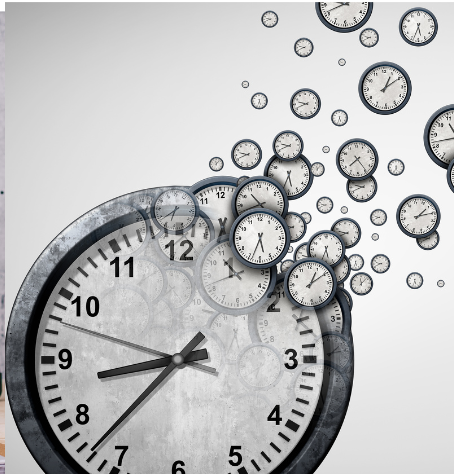
Welcome to Fibromyalgia Time.
1. Five Minutes Can Take an Hour

In Fibromyalgia Time, a “quick task” is a bold lie.
- Showering
- Getting dressed
- Answering one email
Each looks like it should take five minutes. In reality, it includes:
- A rest break
- A mental pep talk
- Forgetting what you were doing
- Another rest break
Time stretches when pain shows up, and shrinks when energy disappears.
2. “Later” Is a Vague Concept at Best
When I say “I’ll do it later,” I don’t mean today.
I also don’t mean tomorrow.
I mean when my body allows it.
Fibromyalgia doesn’t run on deadlines. It runs on:
- Pain levels
- Brain fog density
- How hard my nervous system is spiraling
Later is not procrastination. It’s symptom-based scheduling.
3. Energy Expires Without Warning
Normal time assumes energy is steady.
Fibromyalgia Time says:

“Surprise! You had a 30-minute window and didn’t know it.”
You can wake up feeling okay and hit empty before lunch.
You can plan carefully and still lose the day by 2 p.m.
Energy doesn’t taper. It vanishes.
And when it’s gone, the clock stops mattering.
4. Recovery Time Is Not Predictable
In normal time, rest has a formula:
Do thing → Rest → Feel better
In Fibromyalgia Time:
Do thing → Rest → Still tired → Still tired → Still tired → Why am I still tired?
Recovery isn’t linear.
Sometimes a nap helps.
Sometimes it does nothing.
Sometimes it makes things worse because now you’re groggy and in pain.
5. Past Me and Present Me Are Not the Same Person
Fibromyalgia Time has no memory continuity.
Past Me:

- Made plans
- Overestimated capacity
- Was wildly optimistic
Present Me:
- Is negotiating with joints
- Has three spoons left
- Is offended by Past Me’s confidence
Canceling plans isn’t flakiness — it’s time travel without consent.
6. The Clock Keeps Moving Even When I Can’t
This is the cruelest part.
The world doesn’t pause when your body does.
Bills are still due.
Appointments still exist.
Expectations don’t magically adjust.
Fibromyalgia Time moves slower inside your body — but faster everywhere else.
That disconnect is exhausting all by itself.
7. Productivity Happens in Weird Bursts
Fibromyalgia doesn’t believe in steady output.
Instead you get:
- Sudden bursts of “must do everything NOW”
- Followed by complete shutdown
It’s not a lack of motivation.
It’s a nervous system that dumps all available energy at once and then clocks out.
8. Rest Is Not Wasted Time (Even If It Looks Like It)
In normal time, rest is a reward.
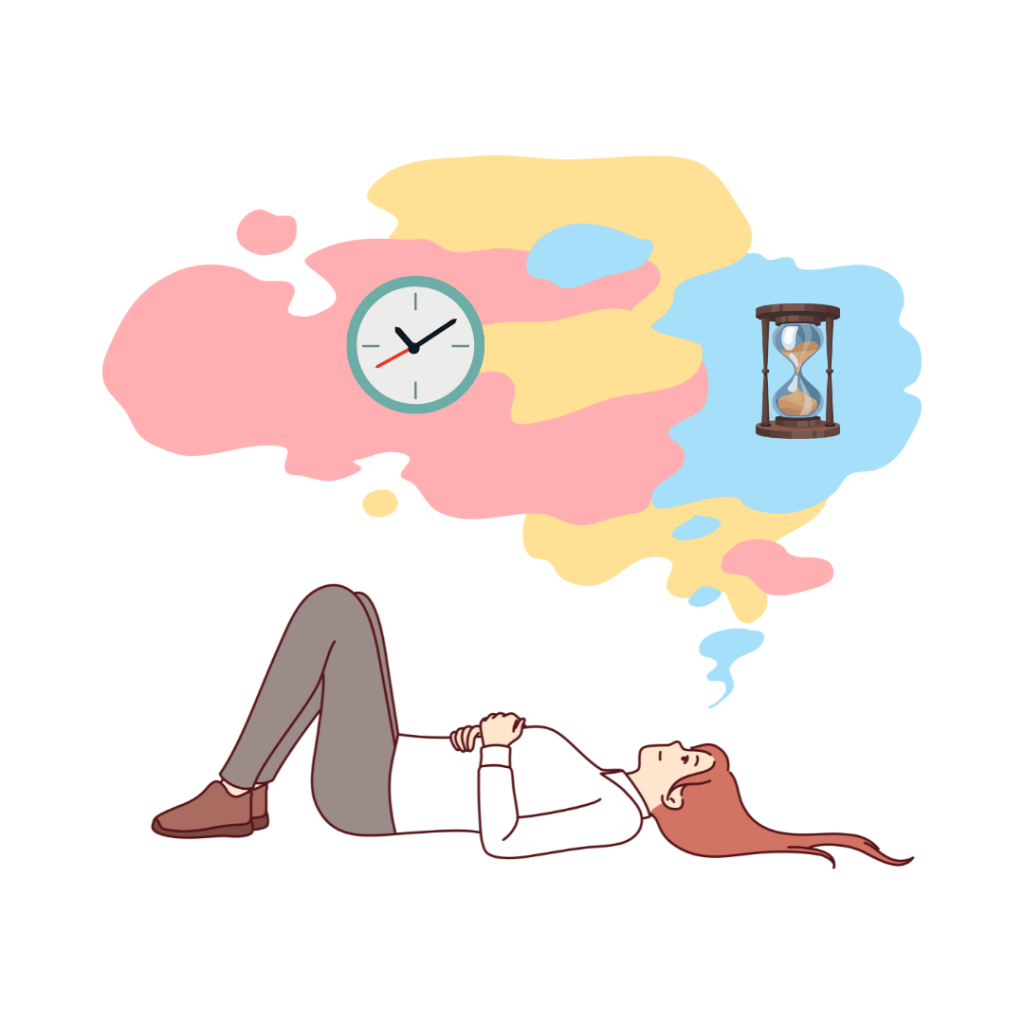
In Fibromyalgia Time, rest is maintenance.
Lying down isn’t laziness.
Doing less isn’t failure.
Pausing is how you stay functional at all.
The clock might say you did “nothing,” but your body knows better.
9. Fibromyalgia Time Requires Translation

“Just five more minutes”
“Can you hurry?”
“It won’t take that long”
These phrases assume a shared timeline.
We’re not on the same clock — and that’s not a moral failing.
It’s a medical reality.
10. Surviving Fibromyalgia Means Redefining Time Entirely
Success isn’t measured in hours worked or tasks completed.
In Fibromyalgia Time, success looks like:
- Listening to your body
- Stopping before you crash
- Adjusting expectations without self-blame

You’re not behind.
You’re just operating in a different time zone — one that requires patience, flexibility, and a whole lot of self-compassion.
Til next time gang, take care of yourselves, and each other.







 WannaBeNormal