Uncategorized

10 Completely Reasonable Ways to Distract Yourself From the News (Before You Spiral)

The news lately?

Yeah. No.

At some point, your brain just taps out and says,

And honestly? That’s valid.

If you’ve hit your limit (or passed it three headlines ago), here are 10 completely reasonable, absolutely not chaotic ways to distract yourself from the news.


1. Open a game and pretend you are a simple farmer with zero responsibilities

Water crops. Feed animals. Ignore reality.

No wars. No stress. Just vibes and slightly aggressive chickens.

10/10 coping mechanism. Live in your own little world, they know you there.


2. Reorganize something that absolutely does not need reorganizing

  • junk drawer
  • spice cabinet
  • phone apps
  • that one bin of “miscellaneous things”

Will this fix anything? No.
Will it make you feel like you have control? Also no.
Will you do it anyway? Yes.


3. Google something completely useless and go down the rabbit hole

Examples:

  • “why do cats scream at night”
  • “can octopus feel emotions”
  • “how many raccoons could fit in a car”

Congratulations, you now know everything except what you were supposed to.


4. Start a new hobby for 17 minutes

  • crochet
  • drawing
  • journaling
  • learning a language

You will:

  • get mildly invested
  • question your life choices
  • abandon it shortly after

This is part of the process. I have tried all of the above. Does it work? No. Nada funciona.


5. Deep clean one very specific area

Not the whole house. That’s unrealistic.

Pick something oddly specific:

  • one counter
  • one shelf
  • one corner

Now stand back and admire your tiny kingdom of order. That corner has never shined so bright.


6. Eat something comforting and call it emotional support food

This is not about nutrition.

This is about survival.

Snacks count.
Cereal counts.
That random combination of things you found in the kitchen? Also counts. Snickers? 10/10, and the peanuts are good for you, so bonus!


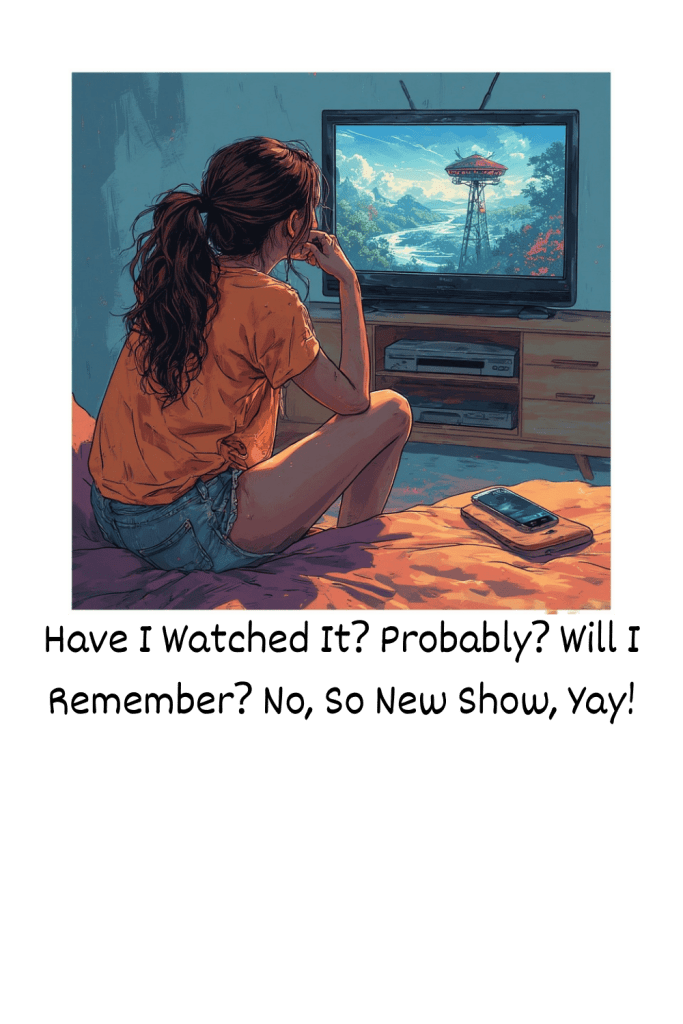
7. Put on a show you’ve already seen 47 times

New content requires brainpower.

We do not have that.

Pick something familiar and let it play while you exist nearby.


8. Sit in silence and disassociate just a little bit

Not fully. Just… lightly.

Like:
  • staring into space
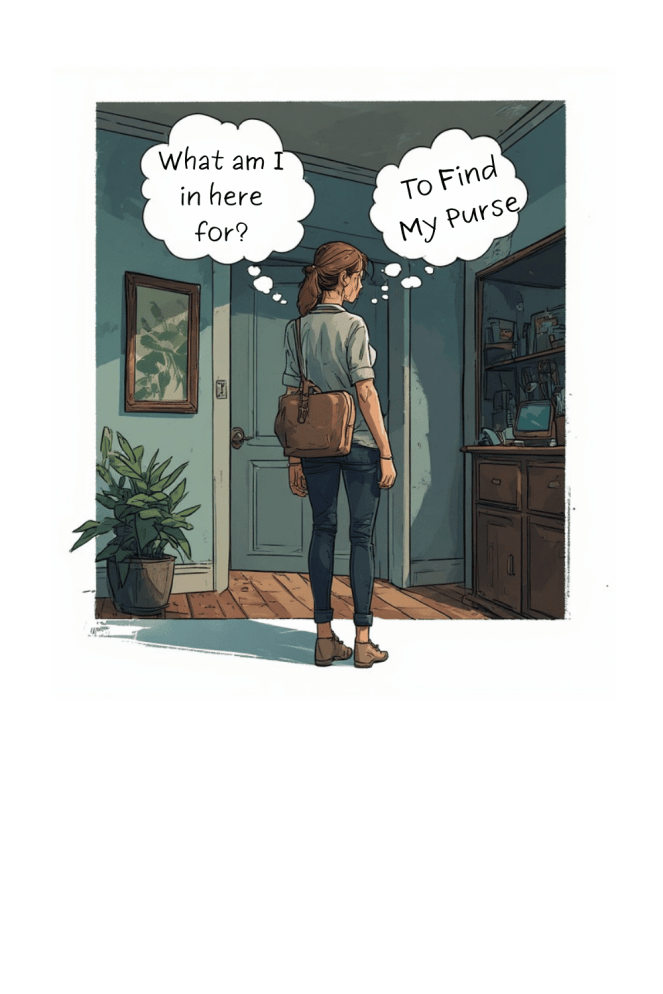
  • forgetting what you were doing
  • mentally buffering

A gentle system reboot. Having done the control+alt+delete reboot trust me, the disassociating gently for a moment is the way to go.


9. Text someone something completely unrelated to reality

Examples:

  • “if animals wore shoes would they wear 4 or 2”
  • “I think I could survive in the wild for 3 hours”
  • “what’s your comfort snack right now”

Connection, but make it chaotic.


10. Decide you’re done with the news for today

This is the big one.

You are allowed to:

  • turn it off
  • step away
  • not consume every update
  • not carry the weight of everything happening

Staying informed does not mean staying overwhelmed.


Final Thought

The world might be chaotic, loud, and overwhelming right now.

But you are still allowed to:

  • laugh
  • rest
  • distract yourself
  • take breaks

Stepping away from the news doesn’t mean you don’t care.

It just means your brain is trying to protect you.

And honestly? That’s a pretty smart system. Til next time gang, take care of yourselves, and each other!


Uncategorized

How I Know I’m Overstimulated (Before I Start Snapping at Everyone)

Lots of stuff floating through my brain guys. I havent been around because full disclosure I don’t know if I want to do this anymore. I feel like I’m screaming into a dark void and nothing is coming back LOL. I started this to help people like me, but also help ME, so I will keep it but you might see changes soon. I’ll probably just go down a package with wordpress but I’m still deciding. Anyway, thats for another day, now lets talk OVERWHELM. There’s a very specific moment where I go from “functioning human” to “if one more person breathes near me I will lose it.”

And unfortunately, I don’t always notice it before I’m already irritated at… everything. Then others point out I’m cranky. As if I am ever anything less than a delight LOL

So here are the signs I’ve learned to catch before I turn into the world’s most overwhelmed mom with zero patience and a twitchy eye

1. Everything suddenly feels… louder than it should be

The TV isn’t even that loud. Nobody is yelling.
But somehow it feels like I’m trapped inside a blender.

Bonus points if multiple sounds are happening at once and my brain just goes “nope.”

2. I get irrationally annoyed at normal human behavior

Someone asking a simple question? Annoying.
Someone walking into the room? Also annoying.
Existing? Honestly… offensive.

This is usually my first clue that the problem is not actually them.

3. My patience drops to zero in 2.5 seconds

I go from “sure, babe” to internally screaming in record time.

Tiny inconveniences feel personal.
Like the universe specifically chose me for suffering because the remote is missing.

4. My body feels tense for no reason

Shoulders up by my ears
Jaw clenched
That low-key “I might cry or scream, we’ll see” feeling

Love that for me.

5. I can’t focus on anything (but also can’t rest)

I try to scroll, watch something, do a task…

…and my brain is just buffering.

It’s like being tired and wired at the same time, which is a special kind of awful.

What I Actually Do About It (aka damage control)

This is not a “perfect self-care routine.”
This is “what can I realistically do before I snap at someone I love.”


✔️ 1. Reduce input immediately

Turn something off.
Lower the volume.
Leave the room if I can.

Less noise = less rage.


✔️ 2. Say it out loud (before it comes out wrong)

“I’m overstimulated.”

That’s it. No speech. No explanation.

It buys me space without starting a fight I didn’t mean to start.


✔️ 3. Change the environment

Dim lights
Different room
Sit in the car for a minute like a gremlin

A small shift helps more than I expect every time.


✔️ 4. Give myself a “no expectations” reset

I stop trying to be productive, patient, or pleasant.

We are in survival mode now.

Even 10–15 minutes helps take the edge off.


✔️ 5. Do something mindless on purpose

Scroll
Play a chill game
Watch a comfort show.
Fold laundry slowly.

The goal is not productivity.
The goal is not snapping.

The part I have to remind myself of

Being overstimulated doesn’t mean I’m failing.

It means:

  • too much input
  • not enough capacity
  • and my brain is waving a tiny white flag

The earlier I catch it, the less damage control I have to do later. Til next time gang. Take care of yourselves, and each other.

Uncategorized

Things My Body Now Treats Like Emergencies That Absolutely Are Not

There was a time when my body was reasonable. Predictable. Low-maintenance.

Now it responds to Tuesday like it’s defusing a bomb.

I didn’t get a memo about this transition, but apparently we’ve arrived.

Here are some aggressively normal activities my body now interprets as acts of violence:

1. Sleeping Wrong (Which Is Every Night)

I go to bed fine.

I wake up like I got jumped in an alley.

Neck locked at 45 degrees.

Shoulder screaming in a language I don’t speak.

Lower back staging a coup.

All from lying completely still for seven hours.

My pillow is apparently a weapon now.

2. Standing Up After Sitting

Used to be automatic.

Now there’s a loading screen.

Everything has to reconnect and remember its job.

Knees especially need a full system reboot.

Sometimes they cooperate.

Sometimes they threaten to retire on the spot.

3. Waiting Twenty Minutes Too Long to Eat

Hunger used to build gradually.

Now it’s:

Totally fine → Totally fine → Totally fine → DEFCON 1

Hands shaking.

Vision blurry.

Personality gone.

Like my blood sugar believes we’re in the final act of a survival movie.

4. Choosing the Wrong Sleep Position

There’s apparently one correct way to sleep.

I don’t know what it is.

My body won’t tell me.

But I’ll know I got it wrong because I’ll spend Thursday through Sunday moving like I’m made of plywood.

5. Standing Up At Normal Speed

Sometimes when I stand, the lights go out briefly.

Not long.

Just a quick blackout.

Like my brain needs a second to catch up to what my legs are doing.

Keeps me humble.

6. Eating Dinner After 7 PM

Doesn’t matter what it is.

Could be a salad.

Could be toast.

If it’s past some invisible deadline, my esophagus declares war.

Heartburn.

Regret.

Three hours of wondering why I didn’t just skip dinner entirely.

7. Being Tired

Used to mean I just needed sleep.

Now my entire operating system shuts down.

Memory: gone.

Patience: gone.

Ability to complete sentences: also gone.

I become a different, significantly worse person until I sleep for nine hours.

8. Lifting Something Moderately Heavy

Picked up a bag of dog food.

Twisted slightly while putting it down.

That was four days ago.

My back is still filing incident reports.

9. Moving the Wrong Amount

Too much movement: problem.

Not enough movement: also a problem.

There’s a Goldilocks zone somewhere between “completely sedentary” and “walked to the mailbox.”

No one knows where it is.

It changes daily.

10. Waking Up

Sometimes I wake up sore for no reason.

Didn’t work out.

Didn’t do anything physical.

Just existed through the night.

Apparently that’s enough now.

The Real Issue

It’s not that everything hurts.

It’s that everything has a price now.

Nothing’s free anymore.

Want to sleep? That’ll cost you your neck.

Want to sit? Your hips will remember.

Want to eat something after 8 PM? Say goodbye to your evening.

Every single action requires a risk assessment.

Is this worth three days of consequences?

Will I regret this small choice on Thursday?

My body used to come with a warranty.

Now it comes with terms and conditions that keep getting longer.

And I never agreed to any of it.
Til next time gang, take care of yourselves, and each other!

Uncategorized

Totally Reasonable Things I’ve Cried About Recently

I’d like to start by saying I am mentally stable.

Unfortunately, the evidence does not support this claim.

In my defense, none of these were dramatic public meltdowns. These were private, dignified emotional collapses. The kind where you stare at a wall and question your entire operating system.

Here are some of the completely reasonable, fully justified things that have recently broken me.


1. Dropping Something

Not the act itself.

The realization of what comes next.

Because dropping something isn’t just dropping something. It’s a full decision tree.

Do I pick it up now?
Do I leave it there and pretend it doesn’t exist?
Do I reorganize my entire life around avoiding that specific area of the floor?

The object now lives there. This is its home. I am its neighbor.


2. Being Hungry, But Nothing Feeling Worth It

This is a special kind of psychological warfare.

You’re hungry. Your body is sending signals. But every single food option feels like an insult.

Nothing sounds good. Nothing feels doable. Everything requires effort I do not possess.

I once stared into my refrigerator like it had personally betrayed me.

It knew what it did.


3. Being Too Tired to Do the Thing I’ve Been Waiting to Do All Day

This one feels especially personal.

You finally have time. The house is quiet. The moment has arrived.

And your body is like, “Absolutely not.”

The betrayal is staggering.

I had plans. Dreams. Mild intentions.

Now I have a blanket and resentment.


4. Dropping Something Again After I Just Picked Something Else Up

This is targeted harassment.

There is no other explanation.


5. Feeling Overwhelmed by Completely Normal Responsibilities

Nothing dramatic. Just basic, everyday tasks.

Replying to a message. Making a phone call. Deciding what to do next.

Individually, they are manageable.

Collectively, they form a powerful emotional boss battle.


6. Being Touched by My Own Shirt Incorrectly

There are moments when fabric becomes the enemy.

Suddenly the sleeve is wrong. The collar is wrong. Everything is wrong.

I don’t know what changed.

But I know I cannot go on like this.


7. Being Exhausted by Something That Shouldn’t Be Exhausting

You ever do one normal thing and your body reacts like you just completed a wilderness survival challenge?

Same.

I did not climb Everest.

I sat upright too long.


8. Realizing I Still Have to Do This Again Tomorrow

This one sneaks up on you.

You finish the tasks. You survive the day.

And then it hits you.

This is a recurring series.

There is no series finale.


9. Something Small Finally Being the Last Straw

Not a big thing.

A small thing.

A stupid thing.

The emotional equivalent of a Jenga piece.

And suddenly the entire structure collapses and you’re sitting there wondering how we got here.


10. Absolutely Nothing Specific

Sometimes there is no reason.

Just a vague sense of overwhelm. Of fragility. Of existing inside a nervous system that has its own agenda.

No trigger. No explanation.

Just vibes.

Bad vibes.


Closing Thoughts

The thing about crying over “small” things is that it’s rarely about the small thing.

It’s about the accumulation.

The constant adjusting. The constant managing. The constant existing inside a body and brain that require more negotiation than expected.

Sometimes crying is not a breakdown.

Sometimes it’s just a system reset.

Still inconvenient.

But necessary. Til next time gang, take care of yourselves, and each other.

Uncategorized

Normal Things That Now Require Project Management

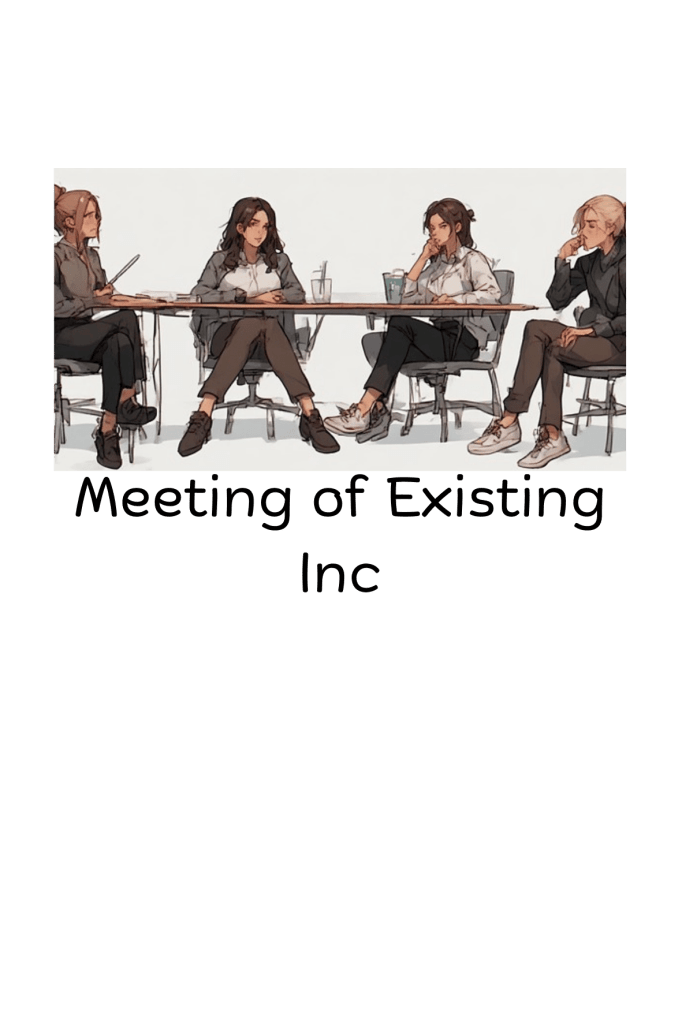
At some point, without your consent, you were promoted to CEO of Existing, Inc.

You did not apply for this role.
You do not remember interviewing.
There is no HR department.
There are no sick days.

But somehow, every basic human task now requires a full-scale operational strategy.

Example: Leaving the House

This is no longer “put on shoes and go.”

This is now a multi-phase initiative involving:

Phase 1: Forecasting

You must analyze projected variables, including but not limited to:

  • Current pain levels
  • Predicted pain levels
  • Weather (your nemesis)
  • Duration of outing
  • Availability of seating
  • Distance from parking to destination
  • Whether the building was designed by someone who hates humanity

Phase 2: Resource Allocation

You assemble supplies like you’re preparing for a polar expedition:

  • Medications
  • Water
  • Backup medications
  • Emotional support snacks
  • Backup emotional support snacks in case the first emotional support snacks fail emotionally
  • Phone charger
  • Backup charger because betrayal is everywhere

Phase 3: Contingency Planning

You must prepare for possible catastrophic scenarios such as:

  • Unexpected stairs
  • No seating
  • Loud environments
  • Temperature extremes
  • Your body suddenly filing a formal complaint

This includes identifying exit strategies and recovery plans.

Phase 4: Risk Assessment

You ask yourself critical executive-level questions such as:

  • Is this worth tomorrow’s consequences?
  • Will Future Me be furious?
  • Am I about to ruin Thursday by attempting Tuesday?

Phase 5: Executive Override

Despite all data suggesting this is a terrible idea, you go anyway because you are a human being who would like to participate in your own life occasionally.

Bold. Visionary. Reckless.

Deliverables

Upon completion of this task, you will receive:

  • Extreme fatigue
  • A flare
  • Zero financial compensation
  • And the overwhelming sense that you just completed something equivalent to summiting Everest, but everyone else calls it “running an errand”

Performance Review

You will be evaluated by:

  • Your nervous system
  • Your immune system
  • Your guilt
  • And society, which will say, “But you don’t look sick.”

Mission Statement of Existing, Inc.:

Uncategorized

The Unhelpful Advice Hall of Fame

(Inductees Chosen for Outstanding Contributions to Missing the Point)

There are two kinds of advice in the world:

  1. Useful.
  2. Enthusiastically useless.

Today, we honor the second category.

Welcome to the Unhelpful Advice Hall of Fame — a carefully curated collection of statements that have survived decades despite helping absolutely no one.

Please hold your applause. Or don’t. It won’t change anything.

🏆 Inductee #1: “Have you tried yoga?”

Yes.

I have also tried stretching, resting, hydration, optimism, and briefly considering becoming a houseplant.

Yoga is lovely. It is not a firmware update for my nervous system.

Next.

🏆 Inductee #2: “You just need to push through it.”

Ah yes. The classic strategy of overriding biology with vibes.

If “pushing through” worked long-term, no one would burn out. No one would flare. No one would collapse two days later wondering why their body sent them a strongly worded letter.

I don’t lack effort. I lack unlimited reserves.

🏆 Inductee #3: “Everyone gets tired.”

Correct.

And everyone gets hungry. That doesn’t make famine a personality flaw.

There is a difference between “I stayed up too late” tired and “my cells are filing a union complaint” tired.

We can respect nuance.

🏆 Inductee #4: “You’re too young to feel this way.”

I wasn’t aware age functioned as a warranty.

Bodies are not cars. There is no mileage-based fairness system. If there were, I’d like to speak to management.

🏆 Inductee #5: “You just need to think positive.”

I do think positive thoughts.

I also think realistic ones.

Positivity is not a structural support beam. It’s a throw pillow. Decorative. Occasionally helpful. Not load-bearing.

🏆 Inductee #6: “At least it’s not worse.”

This one wins for optimism with a side of existential dread.

You’re right. It could always be worse.

It could also be better.

We don’t have to race to the bottom to validate discomfort.

🏆 Inductee #7: “Maybe it’s stress.”

Maybe.

And maybe stress is also a biological event, not a moral weakness.

Also, if the solution to stress were “simply relax,” the spa industry would have ended human suffering by now.

🏆 Inductee #8: “Have you tried cutting out gluten/dairy/sugar/joy?”

I appreciate the commitment to dietary experimentation.

However, if eliminating bread were the cure for complex medical conditions, Italy would not exist.

🏆 Inductee #9: “But you look fine.”

Thank you. I moisturize.

Looking fine is not the same as being fine. Packaging can be deceiving. Ask any online order I’ve ever received.

🏆 Inductee #10: “You just need more discipline.”

If discipline cured chronic illness, high-achievers would be immortal.

Sometimes the issue isn’t willpower. It’s capacity. And capacity does not respond to shame-based motivational speeches.

Honorable Mention: Silence

Sometimes the most helpful response is:

“That sounds hard.”

No fix. No pivot. No silver lining.

Just acknowledgment.

It turns out being believed is far more effective than being optimized.

If you’ve ever nodded politely while mentally nominating someone for this Hall of Fame, you’re not ungrateful. You’re tired.

Advice is easy. Listening is harder.

And if nothing else, at least we can laugh — carefully, responsibly, with proper hydration — about the fact that some phrases will apparently outlive us all. Til next time gang, take care of yourselves, and each other!

Uncategorized

Things I Learned the Hard Way (A Fact-Based Rant) BTW This is post 200!

I used to think my body malfunctioning was a personal flaw.
Turns out it’s mostly biology reacting to stress and occasionally filing a formal complaint.

Here’s what’s actually happening — and what helps a little.


1. Stress Steals Memory Access

Fact: Cortisol suppresses the hippocampus, the brain region responsible for forming and retrieving memories.

Translation: The information is still there. Stress just locked the door.

What helps:

  • Write it down immediately (notes app, scrap paper, hand, whatever)
  • Say it out loud once — verbal encoding helps retrieval
  • Reduce decision load where possible (same routines, fewer choices)

2. Cold Weather Makes Pain Louder

Fact: Cold increases nerve sensitivity and muscle stiffness while reducing blood flow.

Translation: Winter doesn’t create new pain. It turns the volume knob up.

What helps:

  • Pre-warm before moving (heated blanket, warm shower, heating pad)
  • Layer before you feel cold — not after
  • Gentle movement > total stillness (even tiny stretches count)

3. Writing Things Down Works Even If You Never Read It Again

Fact: Writing engages motor, visual, and language centers, strengthening memory encoding.

Translation: Your brain remembers better when your hands are involved.

What helps:

  • Write while someone is talking to you (yes, even mid-sentence)
  • Use ugly notes — perfection kills follow-through
  • One notebook or app only (scattered systems cancel each other out)

4. Stress Interrupts Thoughts Mid-Sentence

Fact: High cognitive load disrupts working memory and verbal recall.

Translation: Your thought didn’t disappear. It got stuck in traffic.

What helps:

  • Pause instead of apologizing — the thought often comes back
  • Say “hold on” and take one breath (literally one)
  • Jot down keywords, not full sentences

5. Your Brain Uses Food as Fuel and a Clock

Fact: Irregular eating can destabilize blood sugar, affecting attention and recall.

Translation: Skipping meals doesn’t just make you hungry — it makes your brain unreliable.

What helps:

  • Eat something at the same time daily (even if it’s small)
  • Pair eating with a routine you already do
  • Low-effort calories count — fed is better than ideal

6. Fatigue and Forgetfulness Share a Nervous System

Fact: Chronic fatigue alters neurotransmitters and executive function.

Translation: “I’m tired” and “I can’t think” are often the same sentence.

What helps:

  • Stop pushing for clarity when exhausted — it won’t come
  • Plan important thinking for your best energy window
  • Rest without guilt; recovery is not optional maintenance

Closing Thought

None of this is a character flaw.
It’s a nervous system under prolonged stress doing its best with limited resources.

Coping doesn’t mean fixing it.
Sometimes it just means making today slightly less hostile.
Til next time guys, take care of yourselves, and each other!

Uncategorized

A Completely Serious List of My Current Coping Skills

In the spirit of honesty, growth, and not pretending I have my life together, here is a completely serious and medically unreviewed list of my current coping skills.

  • Avoiding Mirrors
    Not because of vanity. Because mirrors ask questions I’m not prepared to answer. Like ‘Girl why are you going anywhere dressed like that?’
  • Snacks as Emotional Infrastructure
    Are they nutritional? Sometimes. Sometimes I’d be better off nutrient wise eating the damn box
    Are they morale? Absolutely. Until you spot the mirror and it says ‘maybe the cookies are a bit much’
  • Pretending It’s Fine (Short-Term Use Only)
    Works best in public settings, family functions, and when someone says, “So how have you been?”
    I get bored answering that so I state how I’d like to have been. Mirroring other people gets redundant too.
    Start making up stories or stop talking to people or be boring and say fine are your only options.
  • Talking to Pets Like They’re Union Reps
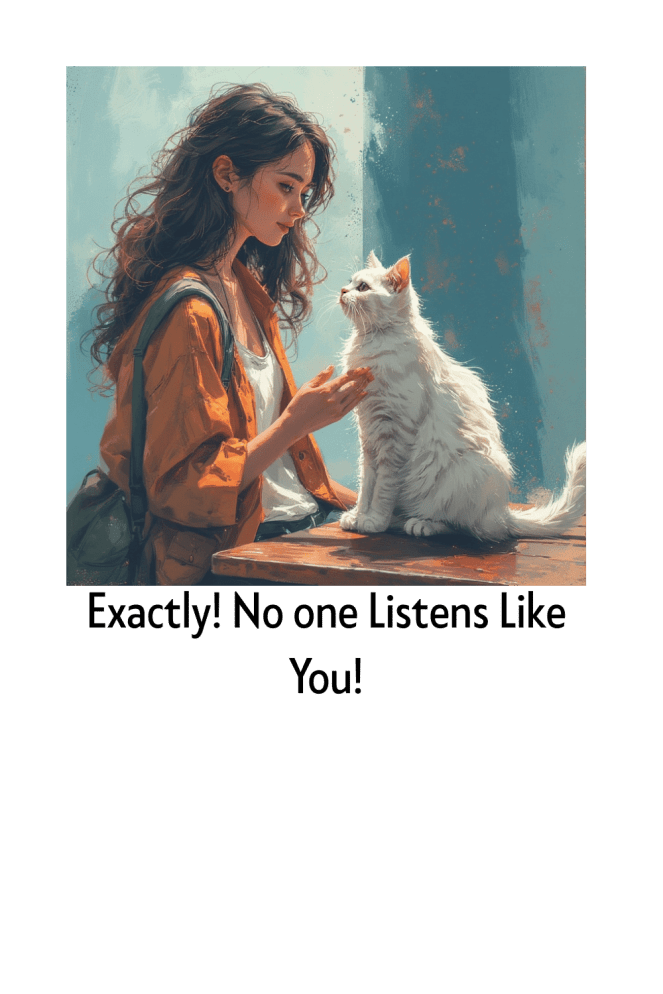
    They understand. They always understand. You know who you don’t have to pretend to be fine to? A dog. Dogs can get you through shit. I’d like to say the same for cats but a lot of them would be judging you. Its part of their job description.
  • Strategic Dissociation (Light Version)
    Not the scary kind.
    Just enough to get through Target without crying in seasonal décor. Besides it helps the chores go faster when you lose hours at a time.
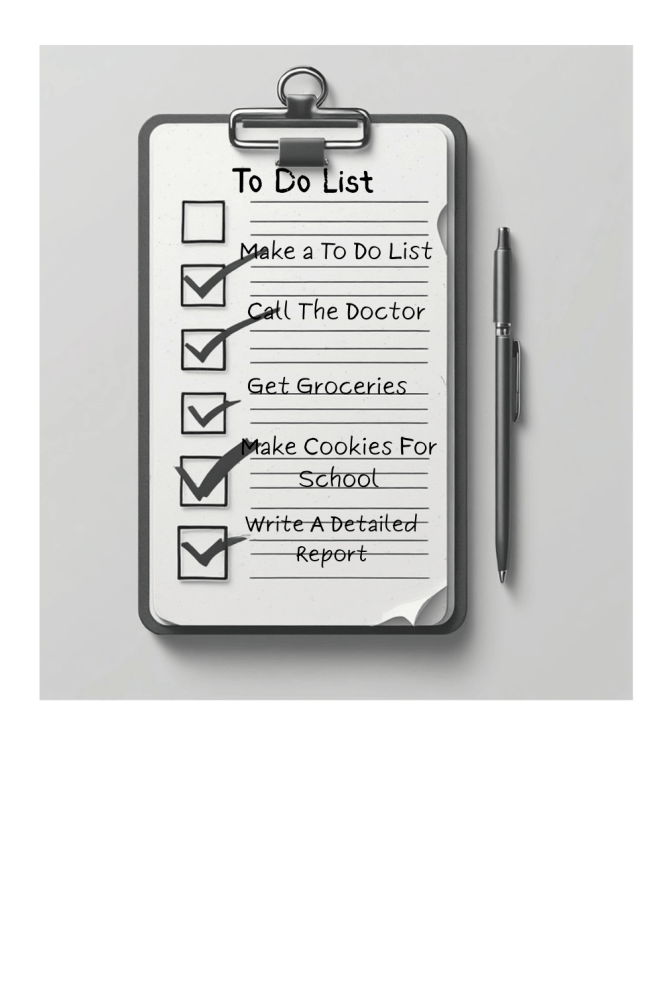
  • Writing Things Down So My Brain Can Stop Holding Them Hostage
    Once it’s on paper, my mind is like, “Cool, not my problem anymore.” The problem is remembering to write the note and where you put it, because you set it down somewhere didnt you? Writing stuff down helps but if you cant remember where you put it tends to pile onto the existing issues. More baggage, yay
  • Canceling Plans Early So I Don’t Feel Like a Villain Later
    This is called foresight. And self-respect. And exhaustion. Better plan, don’t make concrete plans, then you can’t flake out of them. Now THAT’S foresight.
  • Rewatching Shows I’ve Already Seen
    No surprises. No emotional ambushes. Just vibes. That is the great thing about having a shitty memory, its basically brand new shit.
  • Lowering the Bar and Then Respecting It
    Today’s goal is not productivity.
    Today’s goal is “nothing got worse.” Today I met my goal of not fucking more stuff up. Some does that is deserving of a medal.
  • Letting Things Be Weird Instead of Trying to Fix Them Immediately
    Some days aren’t broken.
    They’re just… a lot. I get lost in the Overwhelm.

These aren’t glamorous coping skills.
They won’t make it into a self-help book.
But they’re keeping the lights on, and honestly? That counts.

If you’re doing what you can with what you have, you’re not failing.
You’re coping. And sometimes that’s the win.

Til next time gang, take care of yourselves, and each other.


Uncategorized

The Quiet Depression No One Warns You About After the Holidays

The holidays end, and everyone else seems to bounce back into life like it was all just a brief inconvenience. Decorations come down. Resolutions go up. People start talking about productivity and “fresh starts.”

There’s a strange sadness that settles in after the holidays — not dramatic, not loud, just heavy. The excitement is gone, the lights are packed away, and spring feels like a rumor someone made up to be polite.

Meanwhile, I’m standing in my kitchen staring out the window at gray trees, wondering how many months it is until I can touch dirt again. The holidays were made for family so when you are missing part of your family, you begin to question ever feeling anything other than this ever. Some days the hardest part isn’t missing them — it’s wondering if the version of me who was their mom actually existed.

This stretch of time — from after the holidays until the world thaws out — hits a lot of people harder than we admit. Shorter days mean less sunlight, which affects serotonin and melatonin levels in the brain. That shift alone can mess with mood, energy, and sleep. It’s one of the reasons Seasonal Affective Disorder (SAD) tends to peak in late winter, not December when everyone expects it.

But even without a formal diagnosis, this season can still feel emotionally brutal.

It’s the letdown after months of buildup.
The loss of structure.
The quiet after forced togetherness.
The waiting.

Everyone talks about January as a reset, but for some of us it’s more like limbo. Not moving forward. Not moving back. Just stuck — watching other people carry on while we tread emotional water.

I’m not drifting, I’m not drowning — I’m stuck treading water, burning energy just to stay here.

What makes this season especially isolating is that it doesn’t look like depression the way people expect. You’re still functioning. Still showing up. Still doing what needs to be done. You just feel… dulled. Unmotivated. Sad without a clean reason.

And because nothing is technically wrong, it’s easy to tell yourself you should be fine.

But this isn’t a personal failure. It’s a seasonal one.

Human beings aren’t designed to thrive in months of darkness, cold, and waiting. We’re meant to move, to grow things, to be outside doing something that feels alive. When that gets taken away, it leaves a very real emotional gap.

So if you’re struggling right now, you’re not weak.
You’re not ungrateful.
You’re not broken.

You’re just in the long, quiet middle — the part no one puts on a calendar.

And sometimes the only goal isn’t happiness. It’s getting through this season gently enough to meet yourself again when the light comes back. This is the year I stop treading water, I will start swimming again. Til next time gang, take care of yourselves, and each other

Uncategorized

When the Holidays Are Loud Everywhere Except Your House

The holidays are noisy.
Not just with music and parties and people — but with proof. Proof that everyone else seems to be gathering, hosting, laughing, overflowing.

And then there’s your house.
Quiet. Still. Too still.

You can be grateful and lonely at the same time. Those aren’t opposites — they’re roommates who don’t speak to each other.

You can know you’re lucky, blessed, resourced, safe…
and still feel like something essential is missing. Like the volume of the world has been turned up everywhere else and muted where you are.

That disconnect messes with your head.

Because the messaging is relentless:

  • Be thankful.
  • Cherish this season.
  • Soak it all in.

But what if there isn’t much to soak in?
What if you’re not ungrateful — you’re just alone?

There’s a particular kind of loneliness that shows up during the holidays.
Not the dramatic kind.
The quiet, creeping kind that makes you feel unworthy of love, like if you were easier, better, less broken, someone would be here.

And that’s the lie.

The truth is:
Holidays magnify absence. They don’t create it.

Estrangement, distance, grief, illness, burnout — all the things you’ve been surviving all year don’t suddenly take December off. They just get wrapped in twinkle lights and judged harder.

If your house is quiet this season, it doesn’t mean you failed.
It doesn’t mean you’re unlovable.
It doesn’t mean you did something wrong.

It just means this season is asking something different of you.

Maybe survival instead of celebration.
Gentleness instead of gratitude lists.
Presence instead of performance.

You don’t have to force joy to prove you’re okay.
You don’t have to fake cheer to earn rest.
And you don’t have to minimize your pain just because someone else has it worse.

If the holidays are loud everywhere except your house —
your quiet is still allowed.
Your sadness still counts.
And you are still worthy of love, even when no one shows up with cookies and matching pajamas.

Sometimes getting through is enough.
Sometimes staying soft in a loud world is the bravest thing you’ll do all season. Til next time gang, take care of yourselves, and each other!