


Let’s just get one thing out of the way: when we say we’re tired, we don’t mean “I could use a nap” tired. We mean, “it feels like my bones are made of lead and I’m dragging them through emotional quicksand” tired. Welcome to chronic illness fatigue — where the real game is not getting things done, but feeling guilty about the things we couldn’t do.

Invisible Illness Fatigue: A Sneaky Beast
When you live with something like fibromyalgia, ADHD, or bipolar disorder (or the full trifecta, if you’re really winning like I am), fatigue doesn’t show up like it does after a long day. It’s not solved with sleep. It’s a permanent roommate that throws a tantrum when you so much as think about productivity.
We don’t just skip tasks. We skip tasks, then feel like a failure for skipping them, then try to explain why, then realize we’re exhausted from the explaining. And even when people say they understand, there’s that unspoken “but everyone’s tired” hanging in the air. Sure, Karen, but not everyone needs to lie down after a shower.
The Gaslight of the Medical Maze
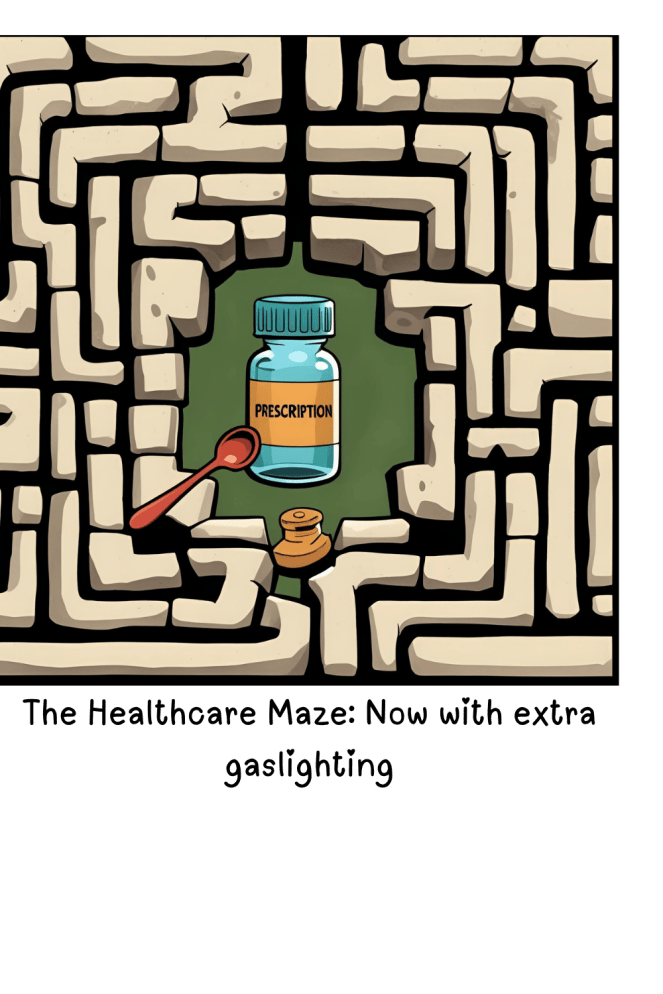
Now let’s sprinkle in a bit of medical neglect for flavor. According to the National Council for Mental Wellbeing, it takes an average of 48 days to get an appointment with a behavioral health provider in the U.S. — and that’s after you’ve made contact. Because what’s chronic illness without fighting the very system meant to help us? I spent this week trying to schedule a psych appointment for my teenager. I called seventeen times. Seventeen. Not metaphorically. SEVENTEEN. I left messages. I waited. I got bounced from voicemail to nowhere. Their voicemail message says ‘someone will get back to you within 24 hrs.’ Never not once called. Cold, Hard Reality Check:
According to the National Council for Mental Wellbeing, the average wait time for behavioral health services in the U.S. is a staggering 48 days. That’s nearly seven weeks of waiting in limbo—waiting for care that should come sooner.
And when I finally got through — a moment of hard-earned triumph — I did what any burnt-out, panic-caffeinated, mom-on-the-edge might do: I scheduled it first available for the one day I absolutely can’t do it. Face palm? No. Face ground. But the idea of calling again, of pushing through the labyrinth of dead-end prompts and receptionist roulette? I physically can’t do it. I’ll move my own mountain that day instead.
This is what they don’t see. The victories that come covered in emotional tax. The way we beat ourselves up over accidents because we’re so used to feeling like we’re failing. Even our wins taste like stress.
The Never-Ending Ask for Help (That Goes Nowhere)
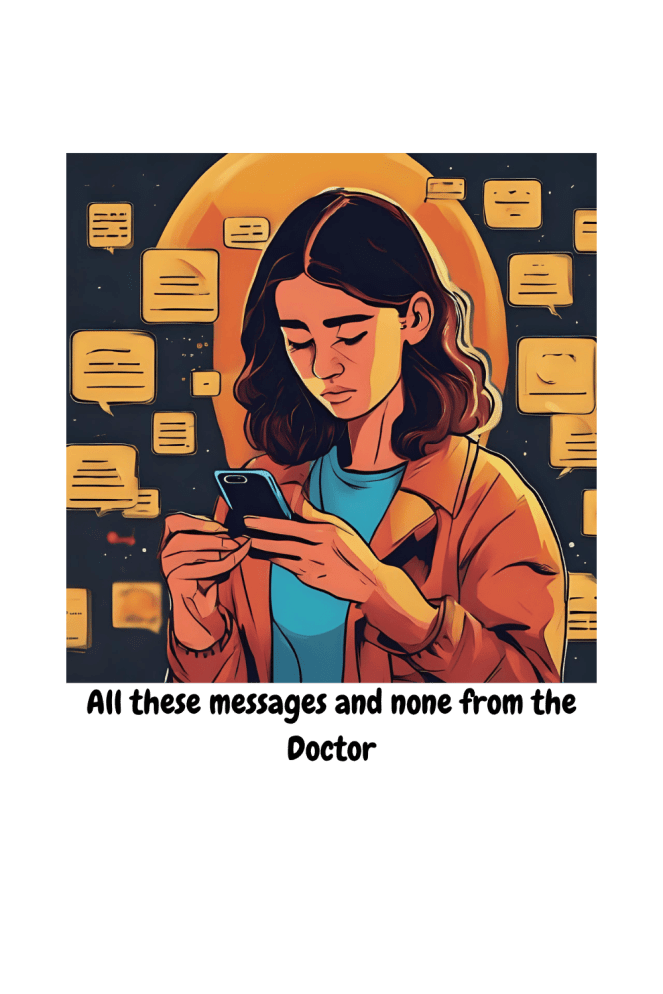
Everyone tells you to ask for help. But they don’t tell you what to do when that help turns out to be a ghost. Or a voicemail. Or an email that never gets answered. Or a friend who says, “Let me know if you need anything” but quietly disappears when you say, “Actually, I do.”
When you do speak up, you risk being labeled as dramatic or dependent. When you don’t, you’re “not taking care of yourself.” It’s a rigged game. The buck never stops. It just circles the drain while we’re clinging to the rim.
And yes, it gets to us. All the time. We internalize it. We feel like a burden. Like we have to keep apologizing for being sick. Like if we were just stronger, more organized, less emotional, less needy… we could pull off the impossible. You can gaslight yourself into silence before a single word leaves your mouth.
So Why Share This?
Because I know I’m not the only one. And if you’ve been spiraling, crying in between productivity guilt sessions, or clenching your teeth while listening to elevator hold music for the fifth time this week — you’re not alone.
This isn’t a cry for pity. It’s a call for reality. Let’s be honest about what it really feels like to be chronically ill, overwhelmed, and stuck inside a system that expects perfect performance from broken parts.
Let’s remind each other that doing our best sometimes looks like barely functioning — and that’s still valid. Let’s talk about how asking for help shouldn’t feel like rolling a boulder uphill.
Let’s be soft with ourselves.
You are not failing. You are carrying more than most people even know exists. And you’re still here, still trying. That’s resilience. That’s strength. That’s you. Til next time gang, take care of yourselves, and each other!

Discover more from WannaBeNormal
Subscribe to get the latest posts sent to your email.

 WannaBeNormal