


Some weeks you crush goals.
Some weeks you just survive with your dignity slightly intact.
This week? I did a little of both, and I’m not dragging myself for the rest. I’m not. Ok, I am TRYING not to lol. I looked up all these things so we know, this happens to alot of us.
Here’s what I’m letting go of:
Eating crackers for dinner.
It was beige. It was crunchy. It was all I had in me. I know its not nutritional, but I put peanut butter on them, that counts right?
People with chronic pain or fatigue often struggle with meal prep. One study found that when we remove the guilt, we’re more likely to eat again tomorrow—and better. (Neff, 2003)
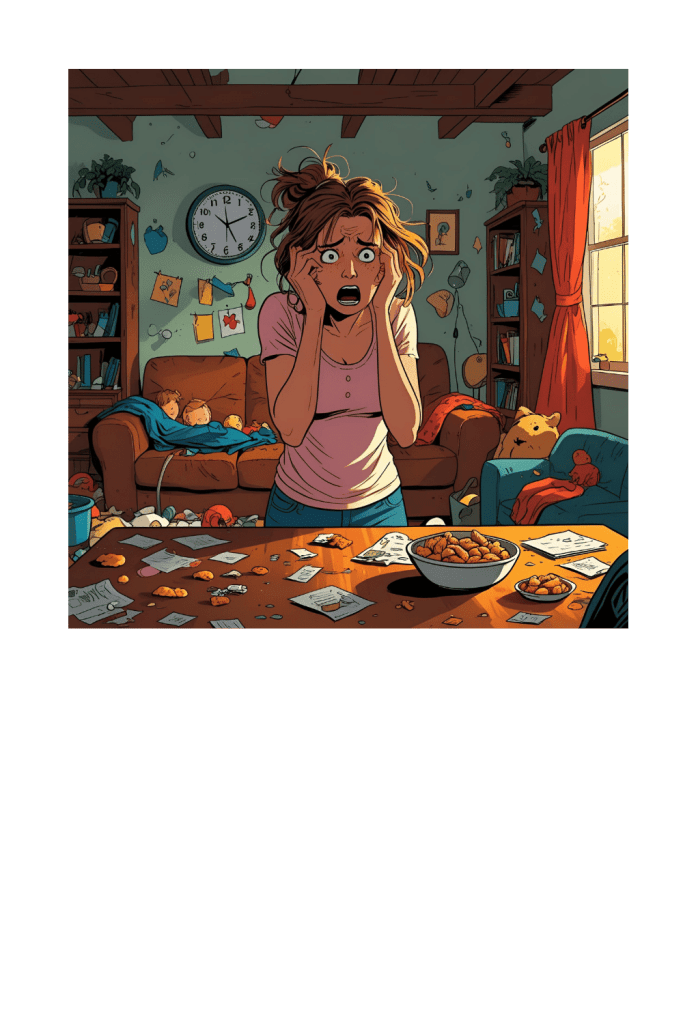
Snapping at a stranger when I was overstimulated.
Was it my finest moment? No. But was it the end of the world? Also no.
Emotional dysregulation is common in both ADHD and bipolar. Reframe the moment to be more valuable than perfection. Modeling apology actually builds trust. (Siegel & Bryson, 2011)
Crying over a tv personality retiring.
But who will give me the news everyday at 6? I won’t be able to get the exact same news and information from the person they already filled the position with.
Mood swings can heighten emotional sensitivity. Instead of suppressing those feelings, letting them out helps regulate the nervous system. Crying is literally self-soothing. (Vingerhoets, 2013)
Truth I cry for nearly every emotion at least once a day
Not cleaning up the kitchen. Or the bathroom. Or basically anything.
The mess wasn’t going anywhere. The mess NEVER goes anywhere, its relentless. Unfortunately, my energy very much goes away lol.
Fatigue from chronic illness isn’t laziness. Research shows that pacing (doing less on purpose) leads to more consistent function long-term. (Nielson et al., 2013)

Skipping my meds one day, even though I knew better.
I forgot. That’s it. That’s the reason.
People with ADHD and mood disorders often struggle with medication consistency. Shame spirals make it worse. Compassion-based routines improve long-term adherence. (Safren et al., 2005)
Needing space from literally everyone.
Even the people I like. Especially them. Even the cats.
Sensory overload and mental fatigue demand recovery time. Boundaries aren’t selfish—they’re how we stay functional. (Brown, 2019)
Wishing I had a different body.
This one feels broken. I still have to live here. Down to the tip of my hair I want everything new. Or I’ll take recycled, I shop at thrift stores
Body grief is real in chronic illness. Acceptance doesn’t mean joy—it just means recognizing pain without adding shame to it. (Cash & Pruzinsky, 2002)
Wanting to give up.
But I didn’t. I just wanted to. And that counts.
Suicidal ideation and burnout can flare in depression or mania recovery. Naming those moments gives you back control. It’s a signal—not a verdict. I’m trying my best to make the most positive of that signal that I possibly can. (Linehan, 1993)
💬 Final Thought:

If this list hits home, maybe you need to make one of your own.
Forgive the little stuff.
Forgive the big stuff.
Forgive the you that’s still trying, even if it doesn’t look like much from the outside.
You’re not weak. You’re wicked strong for feeling this much and still showing up. Til next time gang. Take care of yourselves, and each other!
Discover more from WannaBeNormal
Subscribe to get the latest posts sent to your email.

 WannaBeNormal