Uncategorized

Pain Flare Types, Ranked From “Mild Nuisance” to “Summon the Ancestors”

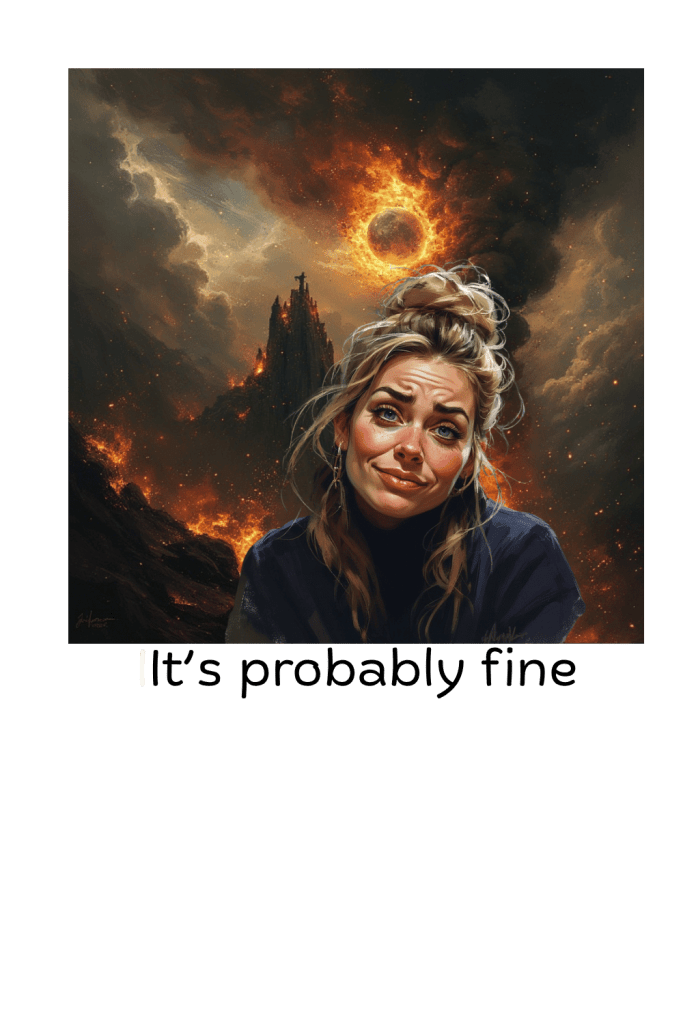
Let’s be honest: pain flares deserve their own tier list.
Not all suffering is created equal. Some flares are just a polite tap on the shoulder and others feel like they’ve traveled across lifetimes to personally drag you into the void.

So in the spirit of scientific accuracy (and by scientific accuracy, I mean vibes), here’s the ultimate ranking:


1️⃣ The Tiny Gremlin Twinge — A Mild Nuisance

This one pops up like, “Hey girl, just checking in!”
It’s annoying, but you can still function… mostly. You limp a little, grab a heating pad just in case, and pretend it’s fine.
It’s never fine — but we lie to ourselves anyway.


2️⃣ The Low-Battery Huff — You’ll Feel This Tomorrow

Your body starts sending strongly worded emails.
It’s not enough to stop you, but everything feels… heavier. Slow. Foggy.
You start rationing spoons like you’re preparing for a winter on the Oregon Trail.


3️⃣ The Surprise Stab — The “Who Threw That?” Pain

Sudden. Sharp. Personal.
Like your muscles decided to reenact a crime scene with no warning.
You freeze, gasp, and immediately question every life decision that led you here.


4️⃣ The Weather Channel Special — Barometric Betrayal

You wake up and instantly know a storm is coming.
Your joints creak like a haunted staircase. Your spine predicts humidity better than any meteorologist.
Honestly, you deserve a salary for this accuracy.


5️⃣ The Sensory Riot — Everything Hurts and Also Everything Is Loud

Pain spike + fibro fog + sensory overload = a cursed smoothie.
Clothes? Too much. Lights? Too bright. Air molecules? Too aggressive.
You consider relocating to a dark, soft cave forever.


6️⃣ The “Cancel All Plans” Episode — Nope. Absolutely Not.

The flare that turns your day into a hostage situation.
Suddenly every joint is negotiating its own peace treaty.
Even sitting still is exhausting. Being alive? Optional.


7️⃣ The Full-Body Betrayal — Your Skeleton Has Filed for Divorce

It spreads. It radiates. It’s everywhere at once.
Nothing helps. No position is comfortable. You do that weird slow shuffle walk that looks like your bones are taped in.
Heating pads, meds, and prayers to whoever will listen.


8️⃣ The “Summon the Ancestors” Flare — You Have Exited This Plane

Oh, this one?
You can feel your DNA screaming.
Pain so intense it becomes almost spiritual. You’re like, “I see the veil… it’s thin… tell MawMaw I’m coming…”
You contemplate your will, your life choices, and whether reincarnation offers better warranty coverage.


Final Thought

Pain flares are rude, unpredictable, and truly lack professionalism.
But calling them out? Naming them? Ranking them like Pokémon?
Sometimes that’s how we cope — with humor, honesty, and a little dramatic flair. Til next time gang, take care of yourselves, and each other.
Uncategorized

Taylor Swift Gets Us All: Even the Spoonie Ones

From survival mode to regret, heartbreak to invisibly raging chaos, Taylor somehow finds the words for it all. These lyrics aren’t just clever turns of phrase — they’re mirrors for anyone struggling to be seen, understood, or simply to make it through another day. So the next time your body, brain, or emotions feel like they’re on fire, remember: Taylor’s got a line for that, and so do you. It’s not about whose pain is “worse” or more legitimate — it’s about being seen, validated, and reminded that even in the middle of your messiest moments, you’re still here, still trying, and still worthy of recognition.

“Balancin’ on breaking branches.” — Exile
Tell me you live with chronic illness, ADHD, or bipolar disorder without telling me. That line is the daily tightrope walk — trying to look stable while everything underneath you is creaking. You’re functioning, technically… but one more unexpected email, flare-up, or emotional storm and snap. It’s the exhausted kind of resilience that looks impressive from the outside but feels like survival from the inside.

“I’d go back in time and change it but I can’t.” — Back to December, Speak Now
Sometimes life leaves you with regrets that can’t be undone. Chronic illness, mental health episodes, or relationship missteps can haunt you, and all you can do is keep going forward while carrying those lessons with you.


“They told me all my cages were mental.” — This Is Me Trying, Folklore
Living with invisible illness or neurodivergence can make people question your experience. Taylor nails the frustration of having your struggles minimized or dismissed, even when you’re doing your absolute best to keep it together.

“Love slipped beyond your reaches.” — Champagne Problems, Folklore
For anyone navigating relationships while dealing with chronic pain, mental illness, or emotional turmoil, this lyric speaks to those moments when your best efforts simply aren’t enough — and you feel powerless watching connection slip away.

“Did you ever hear about the girl who got frozen?” — Right Where You Left Me, Folklore
That’s literally trauma in a sentence. Perfect for describing being stuck in survival mode long after the danger has passed.

“When I was drownin’, that’s when I could finally breathe.” — Clean, 1989
Leave it to Taylor to turn a mental breakdown into poetry. That line perfectly sums up what it feels like when you finally stop pretending you’re fine — when the exhaustion, pain, or chaos finally knocks you flat, and somehow, that’s when you start healing. It’s not weakness; it’s the breath you take after holding it for way too long.


“You made a rebel of a careless man’s careful daughter.” — Mine
Generational trauma wrapped in a love song. It’s breaking the patterns you were born into, learning love without fear, and realizing being “the careful daughter” was never the same as being safe.

“Why’d I have to break what I love so much.” — Afterglow
For anyone who’s accidentally hurt someone they care about — a child, partner, or even themselves. Chronic illness, emotional overwhelm, or mental health challenges can make us stumble in ways we never intended, and this lyric captures that ache of regret perfectly.

“The room is on fire, invisible smoke.” — The Archer
This is what living with chronic illness, PTSD, or anxiety can feel like. Everything in you is alight — panic, pain, exhaustion — but the world sees nothing. Your body aches, your brain races, your emotions combust… and everyone else is just like, “You seem fine.” It’s invisible chaos, and that’s the cruelest part: no one can help fight a fire they can’t see.

“I guess sometimes we all get some kind of haunted.” — Midnight Rain
The emotional equivalent of a PTSD flashback, chronic pain flare-up, or neurodivergent meltdown. It’s the moment when your past — trauma, illness, or just life — creeps up on you uninvited. It’s not about reliving the past; it’s about acknowledging that it still lingers.

“I miss who I used to be.” — Would’ve, Could’ve, Should’ve
When life steals pieces of you. Chronic illness, mental health struggles, or trauma can leave you staring at the mirror wondering if you’ll ever recognize yourself again. Taylor nails the quiet heartbreak of missing the “you” that existed before pain, betrayal, or illness started rewriting your story.

“How much sad did you think I had in me?” — So Long, London
Nails the emotional extremes of bipolar or just being completely maxed out emotionally. That mix of exhaustion, overwhelm, and “I’m still standing, barely” is instantly relatable to anyone with intense mood swings or chronic emotional strain.

“I can go anywhere I want — just not home.” — Exile
The heartbreak of estrangement in one line. You build a life, you heal, but that door you once knew as “home” doesn’t open anymore. It’s grief with no funeral, just echoes.


    From survival mode to heartbreak, estrangement to invisible chaos, Taylor somehow finds the words for it all. Each lyric shows us we’re not alone in our experiences, that even invisible struggles — chronic illness, mental health battles, neurodivergence, estrangement — are valid and worthy of recognition. So the next time your body, brain, or emotions feel like they’re on fire, remember: Taylor’s got a line for that, and so do you. It’s not a contest about whose pain is “worse.” It’s about being seen, being validated, and acknowledging that even in the middle of your messiest moments, you’re still here, still trying, and still worthy of recognition.

    Til next time, gang: take care of yourselves, and of each other.

    Uncategorized

    The Unofficial Chronic Illness Starter Pack: 13 Things We All Somehow End Up Owning

    There’s no “welcome packet” when you join the chronic illness club. No orientation video, no handbook, not even a “sorry your body betrayed you” cupcake. But give it a year or two, and like clockwork, you’ll somehow accumulate the exact same stuff as every other chronically ill human alive.

    It doesn’t matter what your diagnosis is — autoimmune, neurological, connective tissue chaos, or “we still don’t know but it’s definitely something.” You’ll still end up with this exact lineup. Consider it the unofficial starter pack for a life you didn’t sign up for.


    1. The Heating Pad That’s Basically a Limb Now

    Not a heating pad. The heating pad. The emotional-support heating device that never leaves your side. The one that smells a little… “well-loved.” The one that goes on vacation with you, because without it, you might as well just stay home and cry.

    Bonus points if you own more than one: couch pad, bed pad, travel pad. If there’s an outlet nearby, there’s probably a heating pad plugged into it.


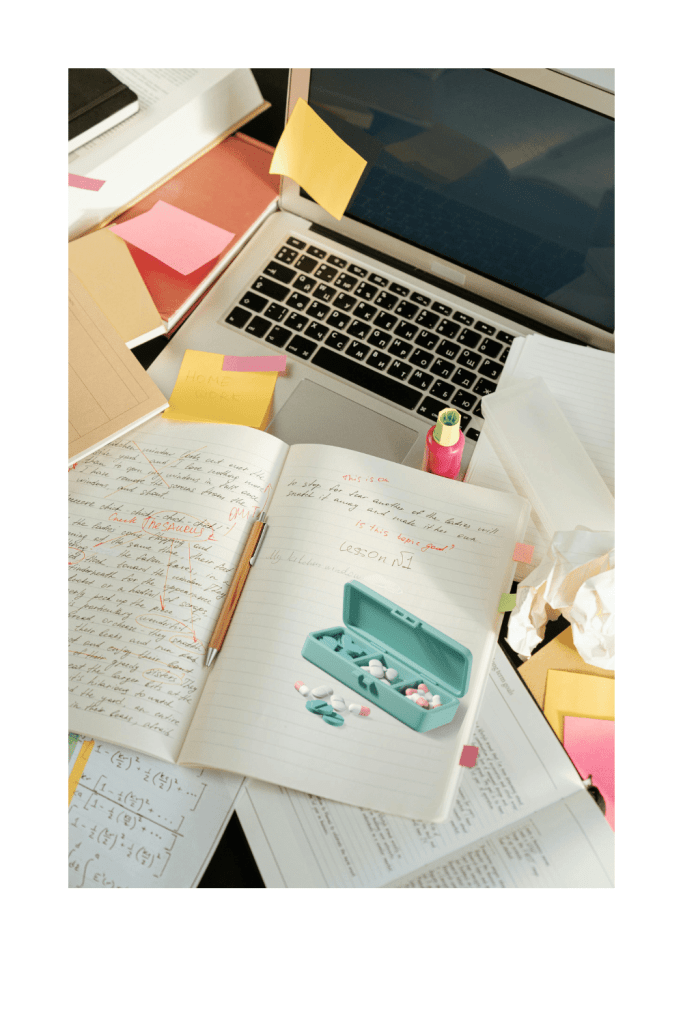
    2. The Pill Organizer That Screams “Elder Millennial in Crisis”

    Remember when you thought pill organizers were for your grandma? That’s adorable. Now you’ve got the jumbo one with four compartments per day and color-coded sections that could rival a NASA launch sequence.

    You’ve upgraded at least twice. You’ve probably dropped it at least once and watched your entire week scatter across the floor like medical confetti.


    3. The Hydration Graveyard

    “You need to drink more water!” they said. So you bought every water bottle known to humankind. The motivational one with time stamps. The $40 one that promised to change your life. The one with a straw that always smells faintly weird.

    And yet… you’re still dehydrated. But at least your shelf looks like an REI display.


    4. Compression Socks That Deserve Their Own Fashion Line

    When you first bought them, you swore they were temporary. Now you’ve got rainbow stripes, polka dots, and ones that match your pajamas.

    Nothing like someone complimenting your “cute socks” while you’re over here preventing blood from pooling in your legs like a human Capri Sun.


    5. Meds You’re 70% Sure You Still Need

    Your medicine cabinet looks like a CVS threw up. Some prescriptions you take daily, some “just in case,” and others that you can’t remember why you still have but you’re too scared to stop taking.

    At least once a week you’re googling, “can I take this one with food or nah?”


    6. The Sacred Comfort Outfit

    Elastic waistband. Zero zippers. Fabric so soft it might disintegrate soon but you’ll die before you part with it.

    You own duplicates because when you find something that doesn’t make your body angry, you commit.


    7. The Ice Pack Army

    The freezer is 80% ice packs and 20% actual food. There are gel ones, flexible ones, and the infamous bag of peas that’s been there since the Obama administration.

    Visitors open your freezer and immediately regret asking questions.


    8. Pillows. So Many Pillows.

    You’ve got regular pillows, wedge pillows, knee pillows, body pillows, and that expensive orthopedic one you swear doesn’t help but you’re too stubborn to admit it.

    Your bed looks like a cloud exploded. Your couch looks like a pillow fort designed by an overachiever.


    9. Your Personal Medical Archive

    You could open a small clinic with your paperwork. Test results, specialist notes, insurance denials, and that one referral you might need someday.

    Because if you don’t keep copies, you’ll end up explaining your entire medical history from scratch at every appointment anyway.


    10. The Blanket Multiverse

    Weighted blanket. Heated blanket. Soft blanket. “Don’t touch me” blanket. “Only this texture doesn’t make me rage” blanket.

    You’ve reached a point where you can’t sit anywhere without instinctively grabbing one. It’s fine. It’s cozy. You’ve accepted it.


    11. Snacks on Standby

    Every bag, drawer, and vehicle has a snack stash. Protein bars, nuts, crackers, and that one emergency granola bar that’s probably older than your pet but still good in a pinch.

    Low blood sugar waits for no one.


    12. The Endless Notebook Collection

    Symptom logs, med trackers, food diaries, mood charts, appointment notes. Every notebook started with good intentions and ended three pages in.

    You’ve also tried every app known to mankind, but somehow keep coming back to paper and pen.


    13. A Dark, Sparkly Sense of Humor

    You can’t buy this one, but it’s essential. If you can’t laugh at your heating pad dependency and your pharmacy-sized pill case, you’ll lose your mind.

    Because crying hurts your head, and honestly, we’re low on spoons for that today.


    The Unspoken Truth

    If you’re reading this while sitting on your heating pad, wrapped in a blanket, surrounded by snacks and water bottles you forgot to refill — congrats, you’re one of us now.

    The chronic illness starter pack isn’t sold anywhere. You build it piece by piece, fueled by trial, error, and desperate 2 a.m. Amazon searches.

    We didn’t choose this starter pack. But we’re making it work — one heating pad session, one sarcastic laugh, one survival day at a time. Til next time gang, take care of yourselves, and each other!

    Uncategorized

    7 Weird Life Skills Chronic Illness Gave Me

    Chronic illness is the world’s most aggressive “skills training program.” Except instead of a certificate and a raise, you get brain fog, pain, and an ongoing relationship with your heating pad. Still, I’ve picked up some unique skills along the way—stuff I never knew I’d need but now couldn’t live without.

    1. Mastering the Art of Fake Smiling

    I could win Olympic gold for pretending I’m fine while my joints are staging a coup. Do I want to collapse in a heap? Yes. Am I going to grin like I just won a cruise? Also yes.

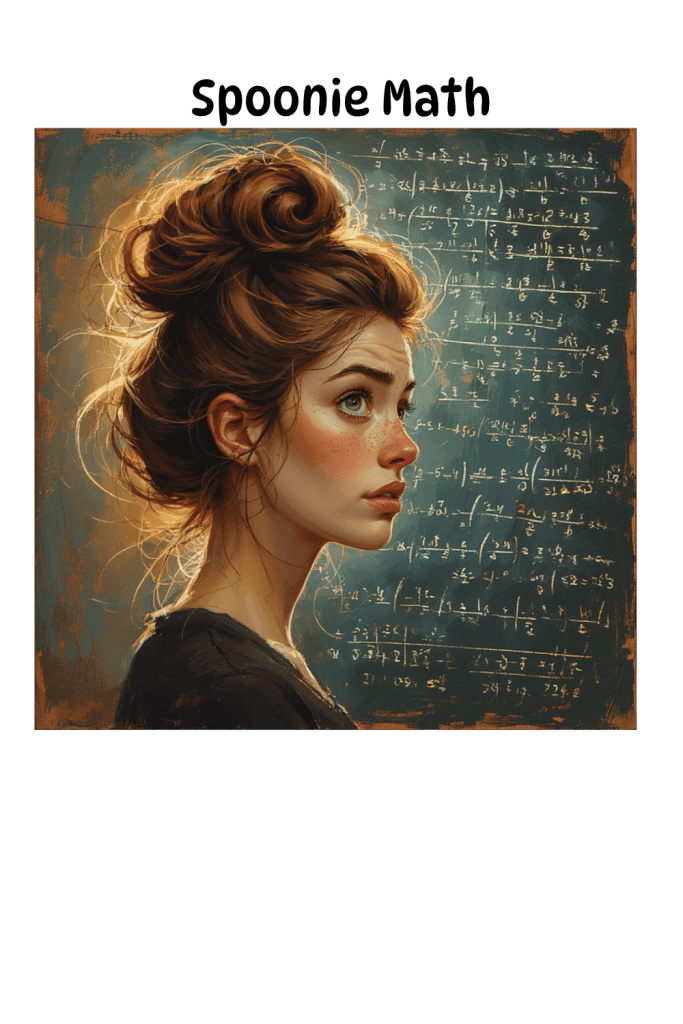
    2. Human Calculator for Spoonie Math

    “Can I shower and cook dinner today, or is that too ambitious?” I can do the math faster than you can open your planner. Spoiler: the answer is usually “nope.”

    3. Expert in Improvised Heat Therapy

    Rice sock? Check. Heating pad? Check. Sitting on my kid’s warm laundry fresh out of the dryer because I can’t wait for relief? Double check. Pro tip, heat rises, I sleep ON not UNDER an electric blanket it has made a world of difference.

    4. Planning for Chaos Like a Pro

    You know how event planners can handle weddings with 200 guests? Try managing your day when you don’t know if you’ll wake up with a migraine, a hip flare, or zero energy. I don’t plan weddings. I plan for chaos.

    5. Napping Anywhere, Anytime

    Airports, doctor’s waiting rooms, my car in the school pickup line—I have the gift of nap. If there was a frequent napper punch card, I’d have earned a free mattress by now.

    6. Doctor Jargon Translator

    I can translate “mild discomfort” into “you won’t walk tomorrow” and “we’ll keep an eye on it” into “we have no idea what’s wrong.” Basically, I’m bilingual.

    7. Black-Belt Level Boundary Setting

    When you’ve got limited spoons, you learn real quick how to say, “No, I can’t go to your cousin’s friend’s birthday barbecue three towns over.” Honestly, it’s a superpower.


    ✨ Chronic illness may have wrecked my body, but hey—it gave me some weird little life skills along the way. Your turn: what weird skill has chronic illness forced you to master? Til next time gang, take care of yourselves, and each other.
    Uncategorized

    Things I Forgave Myself For This Week

    Some weeks you crush goals.
    Some weeks you just survive with your dignity slightly intact.
    This week? I did a little of both, and I’m not dragging myself for the rest. I’m not. Ok, I am TRYING not to lol. I looked up all these things so we know, this happens to alot of us.

    Here’s what I’m letting go of:

    Eating crackers for dinner.
    It was beige. It was crunchy. It was all I had in me. I know its not nutritional, but I put peanut butter on them, that counts right?

    People with chronic pain or fatigue often struggle with meal prep. One study found that when we remove the guilt, we’re more likely to eat again tomorrow—and better. (Neff, 2003)

     Snapping at a stranger when I was overstimulated.
    Was it my finest moment? No. But was it the end of the world? Also no.

    Emotional dysregulation is common in both ADHD and bipolar. Reframe the moment to be more valuable than perfection. Modeling apology actually builds trust. (Siegel & Bryson, 2011)

    Crying over a tv personality retiring.
    But who will give me the news everyday at 6? I won’t be able to get the exact same news and information from the person they already filled the position with.

    Not cleaning up the kitchen. Or the bathroom. Or basically anything.
    The mess wasn’t going anywhere. The mess NEVER goes anywhere, its relentless. Unfortunately, my energy very much goes away lol.

    Fatigue from chronic illness isn’t laziness. Research shows that pacing (doing less on purpose) leads to more consistent function long-term. (Nielson et al., 2013)

    Skipping my meds one day, even though I knew better.
    I forgot. That’s it. That’s the reason.

    People with ADHD and mood disorders often struggle with medication consistency. Shame spirals make it worse. Compassion-based routines improve long-term adherence. (Safren et al., 2005)

    Needing space from literally everyone.
    Even the people I like. Especially them. Even the cats.

    Sensory overload and mental fatigue demand recovery time. Boundaries aren’t selfish—they’re how we stay functional. (Brown, 2019)

     Wishing I had a different body.
    This one feels broken. I still have to live here. Down to the tip of my hair I want everything new. Or I’ll take recycled, I shop at thrift stores

    Body grief is real in chronic illness. Acceptance doesn’t mean joy—it just means recognizing pain without adding shame to it. (Cash & Pruzinsky, 2002)

    Wanting to give up.
    But I didn’t. I just wanted to. And that counts.

    Suicidal ideation and burnout can flare in depression or mania recovery. Naming those moments gives you back control. It’s a signal—not a verdict. I’m trying my best to make the most positive of that signal that I possibly can. (Linehan, 1993)

    💬 Final Thought:

    If this list hits home, maybe you need to make one of your own.

    Forgive the little stuff.
    Forgive the big stuff.
    Forgive the you that’s still trying, even if it doesn’t look like much from the outside.

    You’re not weak. You’re wicked strong for feeling this much and still showing up. Til next time gang. Take care of yourselves, and each other!

    Uncategorized

    The Real Truth About Living With Multiple Medical Conditions (From Someone Who Gets It)

    You’d think having one chronic health condition would be enough to earn you a loyalty card for the doctor’s office (every tenth copay is free?), but apparently, nature loves a “Buy One, Get One” deal just as much as supermarkets do.

    In fact, as of 2023, over half (51.4%) of American adults are dealing with at least two chronic conditions simultaneously. Not to brag, but some of us are collecting diagnoses like they’re Pokemon cards. (Its me, I’m some of us.)

    1. Your Pill Organizer Qualifies as a Carry-On

    You know you’re living with multiple medical conditions when your pill organizer is bigger than your snack box… and requires its own spreadsheet for refills. You could host a bingo night called “Guess Which Pill is for What?” (Winner gets a nap.)

    2. Doctor’s Appointments: The New Social Calendar

    If social status were measured by how many specialists you know by their first name, you’d be downright popular. Dermatologist on Tuesday? Endocrinologist on Wednesday? Neurologist at the end of the month? You’ve got a calendar busier than a pop star’s tour schedule.

    3. Symptoms: Pick ‘n’ Mix Edition

    Fatigue, brain fog, joint pain, strange rashes—sometimes it’s hard to know whether a new symptom is a plot twist from an old diagnosis or just a friendly sequel from a new one. You ask your doctor, “Is this Normal™?” and they say, “Well, for you, maybe!”

    4. Health Is a Team Sport Now

    Turns out, it takes a village… to manage your prescriptions, go over lab results, and remind you again which foods will actually disagree with Condition #3 (but not #2).

    5.You’re Not Alone in This Wild Ride

    Here’s the kicker: 76.4% of US adults had at least one chronic condition in 2023—and over one in four young adults aged 18–34 now have two or more. If you sometimes feel like a medical outlier, you’re actually part of the majority (how’s that for a plot twist?).

    6. Bonus Round: Confusing Your Fitbit

    You tell your fitness tracker you have “bad days” and “good days.” Fitbit just quietly registers your nap as a “restorative yoga” session. (Thanks, buddy, I needed that win.)

    Quick Facts to Drop at Parties for Street Cred:

    Multiple chronic conditions (aka “multimorbidity”) are on the rise, especially among young adults—up from 21.8% to 27.1% in a decade. Most common tag team combos include high cholesterol, arthritis, hypertension, depression, and—everybody’s favorite—obesity.

    Living with multiple medical conditions isn’t for the faint of heart…except, actually, sometimes it literally is when your next diagnosis is “mild tachycardia.” But you do it with humor, strength, and the world’s most impressive pill stash. And that, fellow warriors, is the real truth.

    Author’s tip: If in doubt, just tell people you’re “collecting chronic conditions” like rare action figures. Laughter might not be the best medicine, but it’s definitely covered by emotional insurance.

    Factual data for your reading pleasure: The CDC and other reputable sources confirm everything above, except maybe the part about winning a nap at diagnosis bingo. Til next time gang, take care of yourselves, and each other!

    Uncategorized

    Beyond Basic Spoon Theory: Strategic Energy Management for Complex Parenting

    When your energy comes with an expiration date, every choice becomes strategic.

    We all know spoon theory. But let’s be real—most of the advice assumes you’re managing your energy for your own activities. What happens when you can’t just “rest when you need to” because someone else depends on you for dinner, rides, and emotional regulation? When your autistic teenager needs consistency but your fibromyalgia is flaring? When your ADHD brain forgot to save energy for the evening routine, but bedtime still has to happen?

    I’m not trying to be a saint here—I’m trying to survive until bedtime without completely falling apart. And that requires a different kind of energy strategy than the basic spoon theory tutorials assume.


    The Complex Reality: When Multiple Conditions Collide

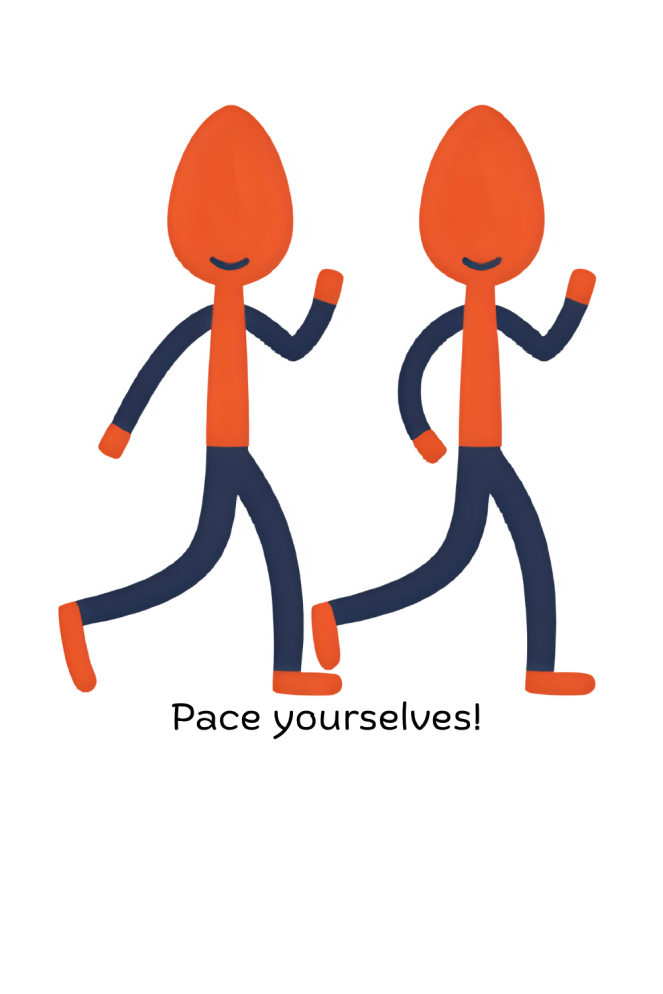
    These are my dancin spoons

    Here’s what the basic spoon theory explanations miss:
    When you’re managing fibromyalgia, ADHD, and bipolar disorder simultaneously, your spoons aren’t just limited—they’re unpredictable.

    My ADHD brain might hyperfocus and blow through six spoons organizing one closet. A bipolar mood shift can drain spoons faster than a phone with a cracked screen drains battery. And fibromyalgia? It’s like having a fluctuating baseline that changes without warning.

    Add parenting an autistic teenager to the mix, and you’re not just managing your own energy—you’re strategically allocating it so everyone gets what they need, including you still being a functioning human by 8 PM. (Well I never claim to be a functioning human any time after 5 lol)

    This isn’t about being selfless. It’s about being smart enough to pace yourself so you don’t crash and burn, leaving everyone (including yourself) worse off.


    The Science Behind Why We Run Out of Spoons

    Research backs up what we’ve always known: fibromyalgia isn’t just “feeling tired.” Studies show people with fibromyalgia experience disrupted sleep, increased pain sensitivity, and central sensitization—basically, our nervous systems are stuck in overdrive.

    Key Research Findings:

    • Fibromyalgia and Central Sensitization: The National Institute of Arthritis and Musculoskeletal Diseases confirms fibromyalgia affects how the brain processes pain signals, leading to widespread pain and fatigue.
    • Sleep Disruption: 75–90% of people with fibromyalgia experience sleep disorders, creating a vicious cycle where pain disrupts sleep and poor sleep worsens pain.
    • ADHD and Executive Function: ADHD impacts energy regulation through executive dysfunction, making pacing activities harder.

    But here’s what medical literature doesn’t capture: what happens when you can’t just “listen to your body” and rest whenever you need because someone else is counting on you?


    Energy Pacing: The Research-Backed Strategy That Actually Works

    The good news? There’s solid research supporting strategies beyond “just rest more.” Activity pacing is designed for people who can’t just stop when they’re tired.

    Key Research Findings:

    • Activity Pacing Works: A 2023 systematic review found pacing—regulating activity to avoid post-exertional crashes—is one of the most effective strategies for chronic fatigue conditions.
    • Better Than Boom-Bust: People who learn pacing techniques report significantly improved quality of life compared to those who push through until they crash.
    • The Energy Envelope: Research shows staying within your “energy envelope” prevents the crash-and-burn cycle that leaves you useless for days.

    The key insight? It’s not about doing less—it’s about doing things more strategically so you can sustain your energy over time.


    My Real-Life Strategic Energy System

    The Morning Energy Assessment

    Every morning, I do a quick reality check: How’s my pain? Did I sleep? Is my brain foggy? This gives me a realistic count of my available energy for the day. A good day might be 15 units. A flare day? Maybe 8. The key is honesty about what I actually have, not what I wish I had.

    The Triage System: Essential vs. Optional

    I ruthlessly categorize tasks:

    Essential: Medication, meals, safety, school pickup
    Important: Homework, emotional check-ins, sensory accommodations
    Optional: Fancy meals, deep cleaning, being the “fun mom”

    On low-energy days, I focus only on essentials. My teen knows that sometimes we operate in “basic functioning mode,” and that’s just life—not failure. I have learned I am terrible at categorizing though lol.

    The 80% Rule

    Research shows staying within your “energy envelope” prevents crashes. For me, this means spending no more than 80% of my energy by 3 PM. Kids still need dinner, and I still need to exist as a person after sundown.


    Practical Energy-Saving Strategies That Actually Work

    Here’s where theory meets reality. These aren’t pie-in-the-sky ideas—these are battle-tested strategies for functioning for others while managing complex needs.

    Batch Processing: Work Smarter, Not Harder

    High-energy tasks happen on good days. Maintenance mode on the rest. Strategic, not lazy.

    Examples:

    • Book medical appointments together to reduce recovery time
    • Meal prep when you’re energized, not hangry
    • Handle school stuff in batches

    Environmental Modifications: Make Your Space Work for You

    Our home reduces energy demands on purpose. Essentials are easy to reach, grab bars help, and my teen knows the layout.

    Modifications:

    • Keep essentials within easy reach
    • Set up “stations” for meds, homework, decompression
    • Use timers and alarms because our brains aren’t built for mental tabs

    The 20-Minute Rule

    If it takes longer than 20 minutes, it gets chunked smaller or delegated. This prevents ADHD hyperfocus from burning my whole day’s energy.


    When Your Teen Needs to Understand Your Reality

    One of the hardest parts? Explaining to my autistic teen why I can’t do something today that I could yesterday. Consistency helps, but clarity wins. She’s gotten better since she goes to school based therapy, I’ve really been proud of her empathy lately.

    What works:

    • Concrete language: “I have 3 energy units left. Dinner needs 2.”
    • Offer alternatives: “I can’t drive you, but I can order it.”
    • Honesty: “Energy changes daily. Not your fault or mine.”
    • Involve them: “How can we make this work with what I’ve got left?”

    The Guilt Factor: Why Strategic Rest Isn’t Selfish

    It took me years to accept this: protecting my energy isn’t lazy—it’s responsible. Proactive rest keeps me showing up tomorrow.

    Saying no to extras isn’t shirking responsibility—it’s saving energy for what truly matters. Operating in “basic functioning mode” is how I keep us afloat without sinking out of stubbornness.


    Next Week: Building your support network and emergency energy protocols—because even superheroes need backup plans. Til next time gang, take care of yourselves, and each other.
    Sources / Further Reading:

    Uncategorized

    Top 10 Things I’ve Googled This Week as a Chronically Ill, Neurospicy Parent

    • “Why does my hip make that sound?”
      Its not so much a pop as it is a crackle, I feel like the Rice Crispies guys are hiding somewhere.
    • “How to explain sarcasm to a teenager who is now more sarcastic than me
      It took forever for her to ‘get it’ (she’d say, is that sarcasm? every time we laugh at a joke) now she is almost more sarcastic than me. Almost lol.
    • “Can I survive on toaster waffles and spite?”
      No? Coca cola and contempt? Those are my wheelhouse.
    • “What does executive dysfunction look like in adults asking for a friend (it’s me)”
      Pretty sure I dissociated so hard I time-traveled. I came to around dinner like, wait… where did the day go?
    • “Symptoms of burnout vs laziness vs demonic possession”
      Spoiler: It was burnout. But let’s be honest, if a demon was possessing me, they’d at least fold the laundry

    • “How to nicely ask your teen to shower without being emotionally attacked”
      “I tried ‘Would you like a shower now or in 10 minutes?’ and still got hit with the emotional equivalent of a boss battle I didn’t consent to

    • “How long is too long to wait for meds to kick in before giving up on the day?”
      Asking for science. But also for vibes. Because the vibes are off and so is my serotonin.
    • “How to turn rage-cleaning into a workout”
      If slamming laundry baskets and scrubbing with vengeance burned calories, I’d be shredded by now.
    • “Can fidget toys fix my life or is that false advertising?”
      Look, they may not fix it — but they do keep me from sending That Text™ or scream-cleaning my kitchen.
    • “Is it normal to cry over spilled resin?”
      Normal? No clue. But between the cost, the smell, and the emotional spiral? Yeah. Very on brand.


    Living with chronic illness, ADHD, and a teenager is like being the main character in a sitcom written by the universe when it was feeling particularly chaotic. But hey — at least I’m not boring.

    BRB, googling if emotional support waffles are a thing. Til next time gang, take care of yourselves, and each other.

    Uncategorized

    How Chronic Illness Turned Me Into a Crafty Witch with a 3D Printer

    When pain, boredom, and executive dysfunction unite—you get resin, rage, and a whole lot of accidental glitter.

    I didn’t set out to become a craft goblin. I wasn’t summoned under a full moon or handed a glue gun by a mysterious old crone—though honestly, that would’ve been cooler. What actually happened? Chronic illness, ADHD, and mental health issues tag-teamed me into a corner, and I crawled out with glitter in my hair, UV resin on my shirt, and a 3D printer whirring in the background like some kind of mechanical emotional support animal.

    🧠 Brain fog + body pain = weird creativity cocktail

    Being chronically ill is basically like living in hard mode with no save points. There are days where just getting out of bed feels like climbing Everest. And when your body taps out, but your brain still insists on doing something, you get creative—weirdly creative.

    One day I woke up and thought, “What if I poured sparkly goo into molds to feel better?” Then, “What if I started designing stuff to go in the goo?”
    Next thing I know, I’m elbows deep in fidget toy sketches and debating the opacity of rose gold filament.

    Not because I’m trying to get rich. Not because I want to be Etsy famous.
    Because it helps me feel like a person again.

    🧙‍♀️ Crafting is my magic—just with more swearing

    There’s something weirdly powerful about turning pain into something tangible. Making trays and fidgets and little resin reminders isn’t just “cute” or “fun.” It’s my therapy when therapy isn’t enough. It’s my way of saying “I’m still here” even when my body’s out of spoons and my brain’s rerouting itself through a foggy mess of dopamine starvation.

    And yes, sometimes I cry while sanding something or curse at my printer like it personally betrayed me. That’s part of the ritual.

    🛠️ My cauldron just happens to be full of UV resin and PLA

    There’s a stereotype that chronically ill folks just sit around watching Netflix and napping. (Okay, sometimes we do that too—rest is radical, y’all.) But a lot of us are brimming with creativity, we just needed the right outlet—and in my case, that outlet prints in layers and smells faintly of molten plastic.

    Now I blend 3D printing and resin pouring into something like art, something like therapy, something like survival. I make trays that say things like “Grounded Spirit” and “Wildflower” because those are the things I need to remember. I make fidgets that spin and snap and soothe because my nervous system is a feral toddler with no nap schedule.

    And when people actually buy those things? When they tell me it helped them feel a little more seen, a little more held? That’s the part that feels like real magic.


    🧷 Not an ad, but here’s the cauldron shop if you want to peek

    If you’re curious about what resilience looks like in resin, I’ve got a little Etsy shop full of snark, softness, and sensory-friendly goodies. I call them my “Spoonie Shenanigans,” and no two are ever quite alike—kind of like us. https://joknowscreations.etsy.com Til next time gang take care of yourselves, and each other.

    Uncategorized

    Can You Hear Me Now? Because the System Sure Doesn’t

    Let’s just get one thing out of the way: when we say we’re tired, we don’t mean “I could use a nap” tired. We mean, “it feels like my bones are made of lead and I’m dragging them through emotional quicksand” tired. Welcome to chronic illness fatigue — where the real game is not getting things done, but feeling guilty about the things we couldn’t do.


    Invisible Illness Fatigue: A Sneaky Beast

    When you live with something like fibromyalgia, ADHD, or bipolar disorder (or the full trifecta, if you’re really winning like I am), fatigue doesn’t show up like it does after a long day. It’s not solved with sleep. It’s a permanent roommate that throws a tantrum when you so much as think about productivity.

    We don’t just skip tasks. We skip tasks, then feel like a failure for skipping them, then try to explain why, then realize we’re exhausted from the explaining. And even when people say they understand, there’s that unspoken “but everyone’s tired” hanging in the air. Sure, Karen, but not everyone needs to lie down after a shower.


    The Gaslight of the Medical Maze

    Now let’s sprinkle in a bit of medical neglect for flavor. ​According to the National Council for Mental Wellbeing, it takes an average of 48 days to get an appointment with a behavioral health provider in the U.S. — and that’s after you’ve made contact.​ Because what’s chronic illness without fighting the very system meant to help us? I spent this week trying to schedule a psych appointment for my teenager. I called seventeen times. Seventeen. Not metaphorically. SEVENTEEN. I left messages. I waited. I got bounced from voicemail to nowhere.​ Their voicemail message says ‘someone will get back to you within 24 hrs.’ Never not once called.
    📌 Cold, Hard Reality Check:
    According to the National Council for Mental Wellbeing, the average wait time for behavioral health services in the U.S. is a staggering 48 days. That’s nearly seven weeks of waiting in limbo—waiting for care that should come sooner.

    And when I finally got through — a moment of hard-earned triumph — I did what any burnt-out, panic-caffeinated, mom-on-the-edge might do: I scheduled it ​first available for the one day I absolutely can’t do it. Face palm? No. Face ground. But the idea of calling again, of pushing through the labyrinth of dead-end prompts and receptionist roulette? I physically can’t do it. I’ll move my own mountain that day instead.

    This is what they don’t see. The victories that come covered in emotional tax. The way we ​beat ourselves up over accidents because we’re so used to feeling like we’re failing. Even our wins taste like stress.


    The Never-Ending Ask for Help (That Goes Nowhere)

    Everyone tells you to ask for help. But they don’t tell you what to do when that help turns out to be a ghost. Or a voicemail. Or an email that never gets answered. Or a friend who says, “Let me know if you need anything” but quietly disappears when you say, “Actually, I do.”

    When you do speak up, you risk being labeled as dramatic or dependent. When you don’t, you’re “not taking care of yourself.” It’s a rigged game. The buck never stops. It just circles the drain while we’re clinging to the rim.

    And yes, it gets to us. All the time. We internalize it. We feel like a burden. Like we have to keep apologizing for being sick. Like if we were just stronger, more organized, less emotional, less needy… we could pull off the impossible. You can gaslight yourself into silence before a single word leaves your mouth.


    So Why Share This?

    Because I know I’m not the only one. And if you’ve been spiraling, crying in between productivity guilt sessions, or clenching your teeth while listening to elevator hold music for the fifth time this week — you’re not alone.

    This isn’t a cry for pity. It’s a call for reality. Let’s be honest about what it really feels like to be chronically ill, overwhelmed, and stuck inside a system that expects perfect performance from broken parts.

    Let’s remind each other that doing our best sometimes looks like barely functioning — and that’s still valid. Let’s talk about how asking for help shouldn’t feel like rolling a boulder uphill.

    Let’s be soft with ourselves.

    You are not failing. You are carrying more than most people even know exists. And you’re still here, still trying. That’s resilience. That’s strength. That’s you. Til next time gang, take care of yourselves, and each other!