(Or How I’m Not Crazy, Just Heavy On The Neurological Spice)
Let’s be real — the phrase “moody woman” gets tossed around more than a toddler’s sippy cup. It’s shorthand for “she had a valid emotional response, but it made me uncomfortable.” If I had a dollar for every time someone chalked up my reaction to hormones, I’d have enough to pay for all the meds that actually manage those moods.
Why “Mood Swings” Are More Than Just a Stereotype
Mood disorders like bipolar disorder, PMDD, and even ADHD-related emotional dysregulation affect hormone levels, executive function, and emotional processing.
A study published in the Journal of Affective Disorders found that emotional intensity and mood variability are frequently misinterpreted in women — especially when compared to men exhibiting the same symptoms.
Women are also more likely to be misdiagnosed with borderline personality disorder when they actually have bipolar II (source: Psychiatric Times, 2020).
Fact: I was diagnosed with Bipolar Disorder when I was 15, do you know how many legitimate concerns I’ve had brushed off because of that, or even Fibro, by doctors or medical professionals who should KNOW BETTER??? Not a little thats for sure, too many, yes I have neuro issues that doesnt mean I can’t have issues elsewhere, two things can be true.
The Cultural Bias Against Emotion
Reminder: anger, sadness, irritability — those aren’t “bad moods.” Those are data. Something’s happening in your environment, your body, or your brain chemistry.
We raise girls to be emotionally attuned, then weaponize that sensitivity against them as adults.
Being “too much” is just another way to shame someone for expressing a normal human emotion with intensity.
My English teachers would often tell me they loved my passion when I’d be sitting there crying because I remembered my Dad was dead after managing to feel normal for five minutes, then feeling guilty and mad at myself for feeling normal and not missing my Dad. I didn’t know how to express that sadness so I let her think the poems had moved me deeply. Then I felt guilty for not correcting her, it felt like she was giving me too much undeserved credit. It was cyclical.
Hormones Are Real, But They’re Not the Whole Story
Estrogen and serotonin are linked, and hormone changes do affect mood, but they don’t create mental illness out of thin air. They might exacerbate underlying issues, especially in people already dealing with bipolar disorder, ADHD, or CPTSD.
There’s a term for the way women’s pain and emotion are dismissed: “hysteria bias.” (Yes, it’s as fun as it sounds.)
Fact: One study in The Lancet Psychiatry (2019) confirmed women with bipolar disorder have a more depressive-dominant form, while men tend toward more manic episodes — yet men are still diagnosed earlier and taken more seriously.
Like I don’t want to call anyone out but ah, my hip has been messed up for YEARS, and multiple x-rays have showed it, yet my last doctor would go ‘ Well, with your fibro its hard to say….’ Um no it wasnt hard at all the next doctor didnt even have the x-ray dry before telling me how jacked up it was. Let me tell you, only YOU are going to prioritize your health, even if you have the best doc in the world who legitimately cares for you, you are still one of but many they think about, so if you are not looking out for and advocating for you then who is?
You’re Not Difficult — You’re Operating With Faulty Wiring and a Broken Support Manual
Stop apologizing for being “too sensitive” or “too much.” The world just hasn’t adapted to emotionally fluent people.
You aren’t broken. You’re just working with a neurochemical system that isn’t always on your side.
The myth of the difficult woman is a tool used to keep women quiet, compliant, and apologizing for their own damn nervous systems.
So the next time someone says you’re being moody, thank them. Because “moody” is just code for “having the guts to feel things deeply while still managing to feed a family, run a house, battle a diagnosis, and survive late-stage capitalism.” Call me moody again and I’ll invoice you for the unpaid therapy session you just triggered. Emotional depth isn’t a flaw — it’s a full-time job with no PTO.
Til Next Time Gang, take care of yourselves, and each other
There’s something almost intoxicating about hypomania. Your brain buzzes, ideas come faster than you can write them down, and suddenly everything feels possible. You’re cleaning the garage, starting a new project, texting friends back after weeks of silence, and maybe even feeling like you’ve finally “figured it out.”
But here’s the part people don’t talk about enough: what happens after.
When the sparkle fades and your energy crashes back to earth, you’re left sorting through the emotional and physical wreckage. It’s not just exhaustion—it’s this weird cocktail of regret, confusion, and grief. You might feel raw, embarrassed, or even guilty for things you said or started and couldn’t finish. That aftermath can be brutal.
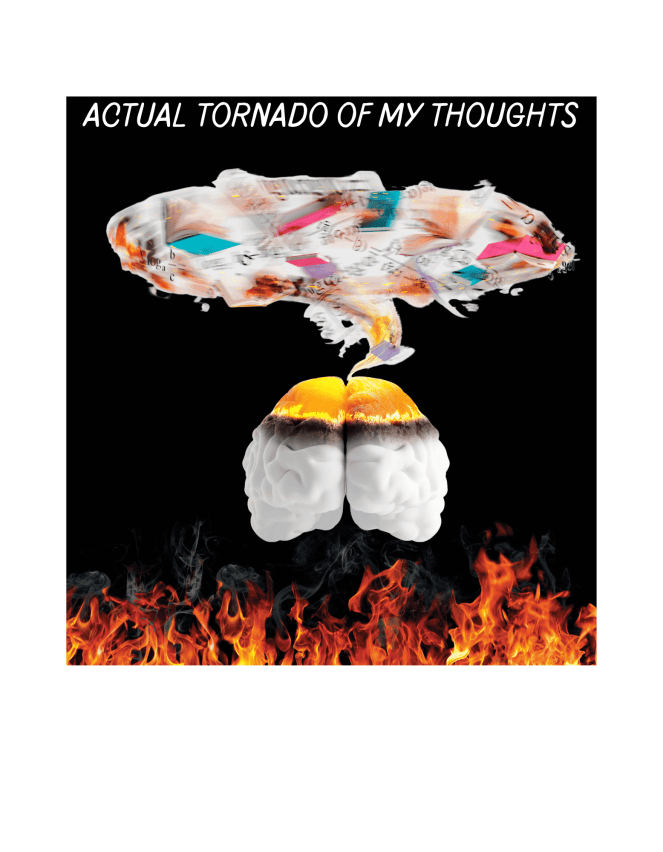
Hypomania is part of bipolar II disorder—it’s marked by elevated mood, a surge in productivity, and bursts of creativity or restlessness. But while it can feel euphoric at the time, the come-down can leave you reeling, questioning your choices, and trying to clean up the mess your over-caffeinated brain tornadoed through.
The Cycle of Risk and Regret (a.k.a. Oops, I Did It Again — But Not in a Fun Britney Way)
Here’s the thing no one glamorizes about hypomania: the aftermath of impulsive choices that seemed like brilliant ideas at the time. One minute you’re ordering $200 worth of “self-improvement” stuff at 2 a.m., signing up for a new certification course, and texting your ex like you’re starring in your own comeback tour — and the next, you’re wondering what the hell just happened.
And science backs it up. According to research published on PubMed, people in hypomanic states often engage in high-risk behaviors — overspending, substance use, reckless decisions — the kind of things that feel like you’re chasing possibility, but too often watching it all boomerang back with the grace of a collapsing Jenga tower.
What follows? That slow, sinking feeling. Guilt. Shame. Maybe even avoidance. You look at the credit card bill, or a strained relationship, and suddenly the vibrant energy of hypomania gets replaced with the emotional hangover no one warned you about.
You’re not the only one who’s been caught in this loop. You’re not a bad person. You’re a person with a disorder that messes with impulse and inhibition. It doesn’t excuse the consequences, but it does explain the pattern — and understanding the pattern is how we start breaking it. I was so stuck here myself but perhaps worse is the gaslighting I do over EVERY. SINGLE. DECISION. afterwards because I sincerely have lost all faith in my own judgment. Like every little thing, ‘is it a good idea or are you just manic’ plays in my head on a loop.
The Crash Landing No One Talks About
If hypomania feels like flying a little too close to the sun, then the crash that follows is more than just a rough landing — it’s a total freefall. One minute, you’re bursting with ideas and energy, barely sleeping, maybe even reorganizing the garage at 2 a.m. like you’re possessed by the spirit of Marie Kondo on espresso. And then… it’s like the lights shut off. The energy vanishes. You’re not just tired — you’re hollowed out. The sadness is deep, the fatigue bone-heavy, and everything starts to feel like too much and not enough, all at once.
It’s not just a “mood swing.” It’s a full-body, full-mind shutdown that makes even brushing your teeth feel like a high-stakes negotiation. And the cruelest part? The contrast. You remember how you felt just days ago, and now you can’t fathom getting off the couch. That whiplash is its own kind of heartbreak. Like it physically makes me ache sometimes.
When Life Throws a Brick Through the Window
Here’s the thing: if you’re already dancing on the edge of a depressive episode, real-life chaos doesn’t just nudge you — it can send you tumbling. Research backs this up: negative life events (you know, the kinds that seem to show up all at once like uninvited guests) have been shown to intensify depressive symptoms in folks with bipolar disorder [PMC, Cleveland Clinic]. And if you’re someone already wired with a predisposition
to depression? That impact hits even harder. It’s why managing stress isn’t just a suggestion — it’s survival. I will legit cry over such trivial stuff, then hate myself cuz I KNOW its dumb to cry about it so I cry more cuz I’m mad at myself for not being able to look at a situation thats got nothing to do with me or so so trivial Learning how to soften life’s blows, build resilience, and stack the odds in your favor might not make the hard stuff disappear, but it can definitely make it hurt less when it lands.
Moving Forward: Strategies for Coping (AKA, Surviving the Crash Without Losing Your Damn Mind)
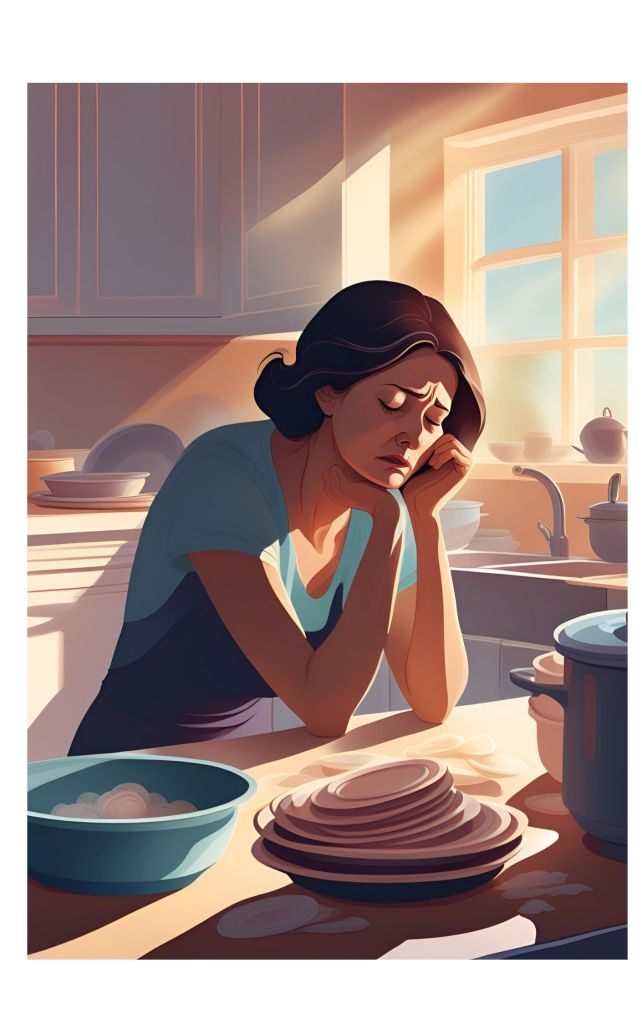
Look, managing life after hypomania is like waking up in a house you swore you just deep cleaned, only to find emotional dishes stacked in every room. But there are ways to climb out of the mess — even if you’re doing it one spoon at a time.
🔹 Self-Compassion This is not a personal failure, a moral shortcoming, or some character flaw you need to apologize for. It’s a medical condition — full stop. Remind yourself (repeatedly, if needed) that what you’re feeling isn’t your fault. You’re not broken, you’re human. In a world that crops all the edges to paint a rosier picture be the straight angle in black and white.
🔹 Structured Support When your brain feels like a Pinterest board of chaos, routines can become lifelines. Simple, repeatable actions — morning check-ins, meal planning, a therapy appointment every other Tuesday — can help stabilize the rollercoaster. And yes, professional help is allowed and encouraged (therapy = tools, not weakness). Every morning my routine has been the same for years, Duolingo while I listen to stand up comedy with the news in the background, if any of those is missing my day starts out lacking which leads to a bad day
🔹 Community Connection Even if you’re more “socially exhausted introvert” than “group hug enthusiast,” connecting with people who get it can make a huge difference. Whether it’s an online forum, a group chat, or that one friend who won’t judge your 2 a.m. existential texts — don’t go it alone. Thats what I’m trying to do here, build a community, hopefully to work right on up to a forum we can all support each other. Thats my goal anyway the minute I can sell enough in my store to pay to host the forum it will be done!
Understanding the highs and lows — especially the rough emotional terrain that can follow hypomania — isn’t just helpful, it’s empowering. When you mix solid science with self-awareness and some well-worn coping tools, you start to feel just a little more in control. Not perfect, not invincible — but stronger. And that counts. Til next time gang, take care of yourselves, and each other. P.S. If this hit a little close to home and you’re looking for something to help you process the messy in-between parts — I made a workbook just for this. It’s not magic, but it’s honest, helpful, and created by someone who’s been there. Check it out
Let me just say this plainly: if I could get everything done that I want to get done, I’d be running the world, not Googling “how to un-shame clean your kitchen” for the fifth time this week. But thanks to my brain, I’m lucky if I remember why I walked into a room before I forget what day it is. Again.
ADHD Isn’t About Laziness. Period.
We’ve all heard it: “You just need to try harder,” or “If it mattered to you, you’d do it.”
But research—you know, those pesky facts—says otherwise. ADHD is a neurodevelopmental disorder that impairs the brain’s executive functioning system. That’s the part of your brain in charge of motivation, planning, prioritizing, and following through. Imagine if the project manager in your head was replaced by a hyperactive squirrel on espresso (GEORGE! George is fine by the way, he has a whole family now, hardly ever has time to say hello). That’s what we’re dealing with.
According to clinical psychologist Dr. Russell Barkley, one of the top researchers on ADHD, people with ADHD have impairments in “executive function” that make self-regulation incredibly difficult. It’s not about willpower; it’s about the wiring. Our dopamine systems are under-responsive to reward cues, which means motivation isn’t just low—it’s missing the GPS coordinates’. I’m not one to give myself excuses, because I don’t like it when others use them and I hate being a hypocrite, but its still true that we are wired differently going in a direction we dont know and are constantly getting redirected. I often liken it to a pinball in a machine.
Unreliable Doesn’t Mean Uncaring
One of the most brutal side effects of ADHD isn’t the mess or the missed appointments. It’s the shame that comes from being “that friend” or “that mom” who can’t follow through the way they want to. You know, the one with a big heart and the flakiest calendar. Do you know how much I’d do for others
People think you’re careless, selfish, or just plain rude. What they don’t see is the internal warfare: the notes, reminders, alarms, sticky tabs, pep talks, self-hatred, guilt spirals, and emotional crashes. You don’t skip coffee with a friend because you don’t care. You skip because your brain misfired three times trying to remember to get dressed and now you’re late and frozen in a shame spiral. Again.
Rejection Sensitivity and the Spiral of Doom
Ever heard of Rejection Sensitive Dysphoria (RSD)? It’s a common experience for people with ADHD and it means that even a hint of disappointment or criticism can hit like a sucker punch to the gut. So now you’re not just late, you’re convinced your friend hates you, you’re the worst human ever, and hey—why not just never make plans again?
This is where ADHD becomes more than a memory issue. It becomes a self-worth issue. You start doubting your ability to be dependable, to show up, to be enough. And when the world keeps reflecting that back at you, the damage compounds.
So What Helps?
Compassion (especially from yourself): You’re not lazy. Your brain has different settings. Start there.
External supports: Use them all. Alarms, timers, whiteboards, apps, body doubles. Build scaffolding around your brain. I write everything down. I have shit everywhere that I do not remember why I wrote it or sometimes come across the thing I wrote it down for. When I started breaking up every chore into little baby chores I was a lot more real with myself. Like setting the meals as I do. Less chance of me deviating and going into decision paralysis. Though I did mess up this week but it can’t be helped, I forgot and planned a meal on my birthday AND we had a prolonged power outage causing us to throw away a lot of things.
Micro-goals: Instead of “clean the house,” try “clear the table.” Progress feels good, if it feels good your brain will do more of it. I do one side of the sink then give myself a free break to write or just veg out for half an hour or whatever. YOU make the rules, there ARE rules though and when you give yourself little dopamine snacks through the day it will make you more even keel.
Community: ADHDers need each other. Not for advice—though that helps—but for validation. To always compare yourself against what YOU perceive to be a perfect normal person (though I PROMISE you everyone you meet has stuff bringing them down, some just have the advantage of a prettier package, inside its still the same shit) is pointless.
Here’s the Truth
You can be inconsistent and still be valuable. You can forget the thing and still be deeply caring. You can be unreliable sometimes and still be a good mom, friend, partner, person.
I don’t write this post as a PSA. I write it as someone who has been eaten alive by guilt more times than I can count. I want the world to stop equating productivity with worth. But until it does, I hope this helps someone—even just one person—feel a little less broken. Because I promise, you’re not. Til next time guys. Take care of yourselves and each other
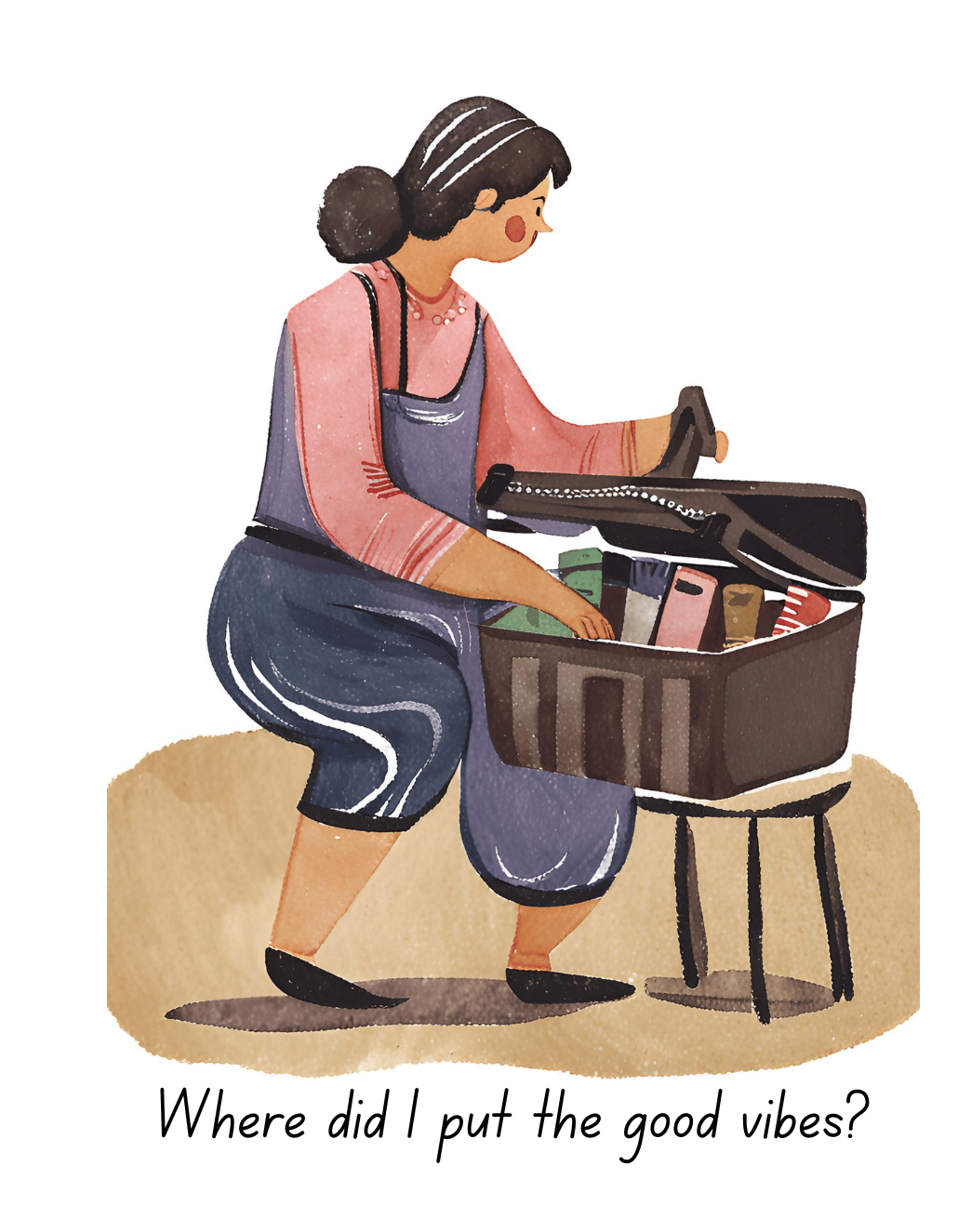
Send them a Bad Day Basket — a cozy, comforting hug in a box. Curated with real-life rough days in mind (because we’ve been there), every basket is packed with self-care goodies, cozy items, and a custom playlist to help them feel seen, soothed, and maybe even smile a little.
Ever feel like your brain’s stuck in dial-up mode while the rest of the world’s running on fiber optic? Been there, ordered the T-shirt, wore it for three days straight. When you’re fried, frazzled, or just feeling emotionally soggy, you don’t always have the bandwidth for a full mental health makeover. The good news? Science has your back—and it doesn’t require a prescription or a bank loan. Here are five surprisingly effective, science-backed ways to feel better fast—without leaving your couch (probably).
1. Deep Breathing: A Free Spa Day for Your Nervous System
Let’s be real: when someone tells you to “just breathe,” it’s usually right before you snap like a glow stick. But hear me out—breathwork is basically a nervous system cheat code.
🔬 Science says: Deep, controlled breathing activates your parasympathetic nervous system (aka the “rest and digest” mode), reducing cortisol and lowering heart rate. One study in Frontiers in Psychology (Zaccaro et al., 2018) found that slow breathing significantly improves mood and lowers anxiety.
🌀 Try this: Inhale for 4 counts, hold for 4, exhale for 4 (aka box breathing). Bonus points if you close your eyes and pretend you’re somewhere tropical and not just hiding from your responsibilities.
I don’t like to recommend anything I don’t do, so rest assured I do this, though I switch up the rhythms, and I would recommend you do the same because so long as you’re breathing, it works doesnt matter how pretty it is.
2. Laughter Therapy: Better Than an Espresso Shot
Who knew memes could double as mental health tools? Turns out, watching something funny isn’t just procrastination—it’s therapy with a punchline.
🔬 Science says: Laughter triggers the release of endorphins and lowers stress hormones. A study in The Journal of Neuroscience (Dunbar et al., 2012) shows that laughter increases pain tolerance and boosts social bonding.
📺 Try this: Watch a short stand-up set, blooper reel, or the 7,000th rerun of your favorite sitcom. Whatever tickles your funny bone.
👉 Real-life moment: You know what I’ve heard? I laugh too much. I’m too loud. I shouldn’t make everything a joke. You know what? I’m beyond caring. You know that whole near death thing? It showed me life was FAR TOO SHORT to waste time on the vast amount of unpleasantness one generally has to put up with. If you can’t laugh did you even enjoy it? I listen to last nights late night monologues or stand up while I’m doing my duolingo in the mornings (take care of your brain folks, no joke, you’ll miss it when it starts to go LMAO) and on mornings that I can’t I find the rest of the day I can be kind of an asshole. I mean, I’m always sorry, but I’m going to be honest with you guys about it LOL
3. Gardening or Nature Exposure: Green = Good Vibes
No yard? No problem. Even a houseplant counts as emotional support foliage. Nature doesn’t judge your outfit or ask how many hours of sleep you got.
🔬 Science says: Time in nature reduces stress and improves mood. The Japanese practice of shinrin-yoku (forest bathing) has been studied extensively; one study in Environmental Health and Preventive Medicine (Park et al., 2010) showed it significantly lowers cortisol.
🌱 Try this: Step outside and touch a tree (yes, really), water your plants, or sit near a window. Even watching nature videos has calming effects.
I am plant killer number one around here. I wouldnt be surprised if my mug shot is hanging in the break room for plants like shoplifters mugshots are at Walmart LOL. That being said, the WORST thing the hip replacement has stolen is my weekly or biweekly mowing the yard. I love it, we have an electric mower so I get a good one hour out of it, bopping alone to some music, its just mindless outdoor sun time. Then stick it on the charger and hit it the next day. I have a hard time sitting in the sun even when I know its good for me and outside I wouldnt last long before getting bored.
4. Listening to Classical Music: Your Brain’s Chill Pill
Before you roll your eyes, no, it doesn’t have to be Mozart. But slower, instrumental music can work some serious emotional sorcery.
🔬 Science says: A study in PLOS ONE (Thoma et al., 2013) found that listening to classical music after a stressor reduced cortisol levels more effectively than silence or other genres.
🎵 Try this: Play something instrumental (piano, strings, lo-fi beats) for 5-10 minutes. Even better? Lie down and do nothing while it plays. Yes, doing nothing is productive sometimes.
I love all music. Classical is not a fave but I will put on some really low volume piano pieces when I need it. Generally its just pop from the 80s though. But try Chopin first lol who knows, it could be your new favorite.
5. Social Connection: Text That One Person (Yes, Them)
When you’re down, your brain might tell you to retreat like a wounded raccoon. But reaching out—even just a little—can flip the script fast.
🔬 Science says: Human connection boosts oxytocin, lowers anxiety, and increases resilience. A study from American Journal of Psychiatry (Ozbay et al., 2007) highlights social support as one of the most powerful buffers against stress.
📱 Try this: Send a funny meme to a friend, voice note someone who “gets it,” or even comment on someone’s post meaningfully.
👉 Its so hard guys. The phone is like there…. And like, sometimes, sometimes it even *gulping loudly*…. RINGS!!! TERRIFYING! I know guys, see, I get it, but how about a text? A text connects you like a ‘sup’ nod between bros, but without the whole sense of the ‘sup’ reply. I bake that shit right into my texts too, I say ‘hey, let me know how you are when you get a minute’. No rush. I’m chill man. Or even ‘just sayin hey and wanted you to know I’m thinking of you’ totally not giving them ANY obligation, because like why would I bum anyone I love out like that?
Closing: Feeling better doesn’t always need to be a full-blown self-care summit. Sometimes, it’s in the little things: a breath, a laugh, a leaf, a lyric, a message. Try one. Try them all. You deserve moments of ease—even when life’s handing out chaos like Halloween candy. Til next time gang. Take care of yourselves, and each other!
(aka, How Stockpiling Became My Quiet Way of Fighting Back)
Some days, my body feels like a traitor. I can’t bend over very far, I can’t pick up anything off the floor or up high without my grabber thingy. I can’t haul laundry up the stairs. I can’t even promise I’ll be the same “me” tomorrow that I am today.
I’m caught up on reading anyway
Living with chronic illness — especially things like fibromyalgia and ADHD — means my energy, my ability, my very reliability can vanish without warning. (And nothing says “party” like waking up with zero spoons and an entire day’s worth of responsibilities, right?)
When your body plays dirty, it’s easy to start turning that anger inward. It’s easy to start hating yourself for being “unreliable,” for needing help, for “failing” even when you’re trying so damn hard. And that self-loathing? It can spiral faster than you’d believe.
But here’s something I want to say — to myself and to you: You are not unreliable. You are surviving a body that hands you chaos every morning and expects you to make peace with it by lunchtime.
🛒 Pantry Planning: My Quiet Rebellion
I can’t control how many spoons I’ll have tomorrow. I can’t always cook a gourmet meal or deep-clean the house or check every box on my to-do list.
But you know what I can do? I can plan. I can stockpile. I can quietly, stubbornly, prepare for the days I know will be hard — because they will come.
Even if I can’t cook today, I can make sure next week’s meals are lined up. Even if I can’t carry groceries, I can still hunt down deals and plan freezer meals. Even if I can’t do it all, I can still do something.
And that matters. I can be ready and save my family money on groceries if I shop coupons and deals. I love the hunt of finding the good deals (coke 12 packs under 3 dollars? Sign me up!) That counts. You count.
🧠 The Science of “Just Being Ready”
Here’s a wild little truth bomb for you: ✅ Studies show that having even a small emergency plan (whether that’s for food, money, or time) significantly reduces anxiety, depression, and feelings of helplessness.
A 2017 study published in Disaster Medicine and Public Health Preparedness found that people who felt “prepared” — even just having a few extra essentials on hand — reported higher self-efficacy and lower distress during crises.
Translation? Planning ahead can actually make you feel more in control, more capable, and less crushed by uncertainty.
As someone who is often referred to as a little bundle of anxiety I can tell you, when shit gets real, and lets face it, if nothing else in life, you’re promised those ‘shit gets real’ moments, (my most recent I think was the school calling me telling me they lost my kid, AGAIN, and asked if I knew where she was! I was thankful my anxiety always makes me have like 20 back up plans lol) prepared people can stand up in times of crisis and fall apart much later after its all taken care of.
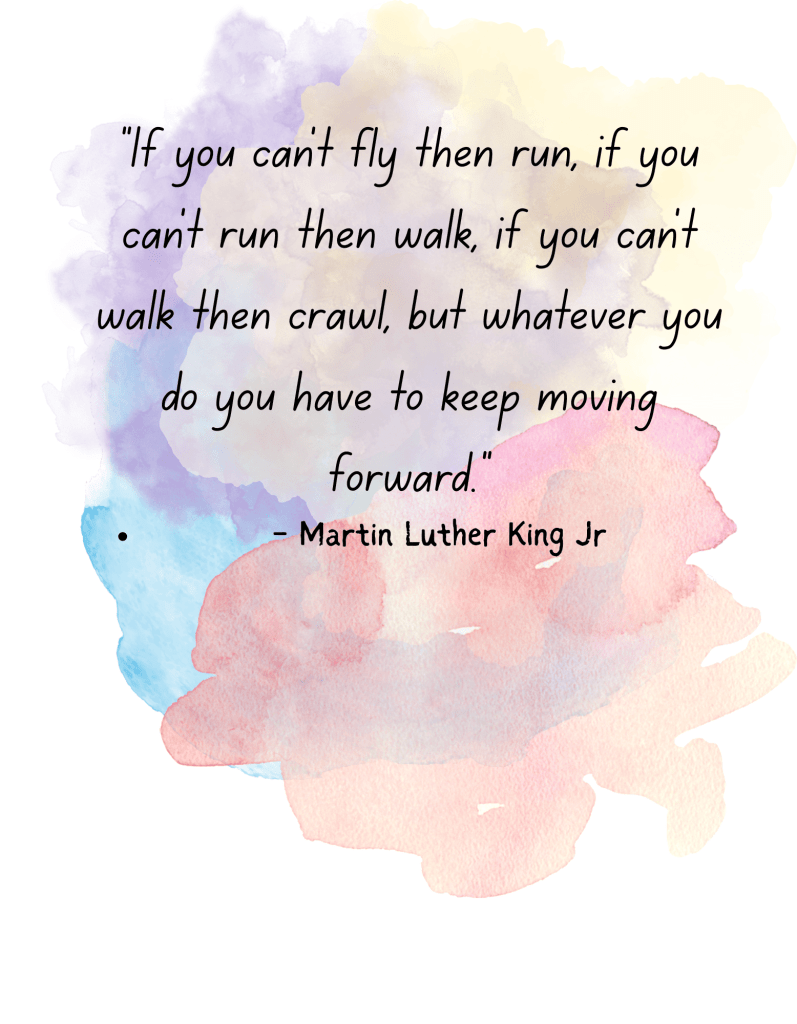
Another study in The Journal of Anxiety Disorders found that taking small action steps (like stockpiling shelf-stable foods or creating a “bad day backup” list) built measurable resilience — even in people dealing with ongoing chronic illnesses. Sound familiar? It boils down to an expression I have heard and will try not to butcher from Dr Martin Luther King Jr. “If you can’t fly then run, if you can’t run then walk, if you can’t walk then crawl, but whatever you do you have to keep moving forward.”
Even micro-actions matter. Even thinking ahead counts.
🛠️ Solutions for the Hard Days (A Tiny Toolkit)
Because let’s be real: Some days are still going to suck. But we can stack the deck a little bit in our favor.
Here are a few things that help when it feels like you’re drowning:
“Shelf Stock” Meals: Build a few meals that live completely in your pantry — no fresh ingredients needed. (Cooked chicken + pasta + jar sauce = emergency lasagna.)
Backup Spoon Days: Have 3-5 emergency meals that you could make half-asleep with one hand. (Instant rice + microwaveable veggies + rotisserie chicken, anyone? They have individual rice cups, or you can nuke a pouch in 90 seconds and they have a number of flavors, and at our local store whatever rotisseries don’t sell the next day they strip and sell the meat per pound, its amazing to keep on hand, throw it into pasta or rice. I usually do that with sausage and peppers too, makes good dirty rice)
Permission Slips: Give yourself permission, in writing if you need to, to just survive some days. “Not today” is a full sentence.
Grabber Tools & Adaptations: They might feel frustrating, but they’re not failure — they’re gear. Gear up like the warrior you are.
“I’m Still Here” Reminders: Keep a list somewhere visible of the things you have accomplished — even the tiniest wins. Every day I write lists and lists just so I can check them off then never worry about them again. Some days? “I fed myself and stayed alive” deserves a damn standing ovation.
💬 Final Word (From One Battle-Scarred Soul to Another)
Maybe I can’t build the world I dreamed of today. Maybe my body won’t let me build anything at all.
But I’m still here. I’m still planning. I’m still stubbornly, fiercely, stocking a pantry, preparing a home, building a future — even if some days, all I can build is a grocery list and a whispered prayer.
And friend, if you’re reading this? You’re still building too. Even if no one else can see it. Even if it hurts like hell. Even if today looks small.
You’re still fighting for yourself. And that’s enough. That’s always enough. Til next time gang. Take care of yourselves, and each other!
If you’re anything like me — fibro-fogged, recently-hip-replaced, raising a gloriously neurodivergent teen, and running on caffeine, hope, and probably expired groceries — then planning dinner might feel like launching a rocket from your laundry room.
This meal plan is for those of us trying to survive the week without crying into a dish towel. It’s a real-life, spoon-theory-approved guide with easy cook-day meals and fallback reserves that don’t require your whole brain.
🗓️ Printable 2-Week Meal Menu (with Attitude)
Week Three
Day
Meal
Monday
Mac & Cheese with Sausage — Leftovers from Sunday. Bonus: Only one pan to clean and minimal effort to reheat. That’s a win in my book.
Tuesday
Sausage & Peppers over Egg Noodles — Bright, flavorful, and uses enough veggies to pretend we’re balanced adults.
Wednesday
Chicken Strips + Knorr Side — Reserve meal MVP. Add a veggie if you’re feeling wild.
Thursday
Baked Chicken + Roasted Veggies — Sheet pan magic. Roast everything at once and act like it was on purpose.
Friday
Reserves — Classic, comforting, and suspiciously filling for something this lazy.
Saturday
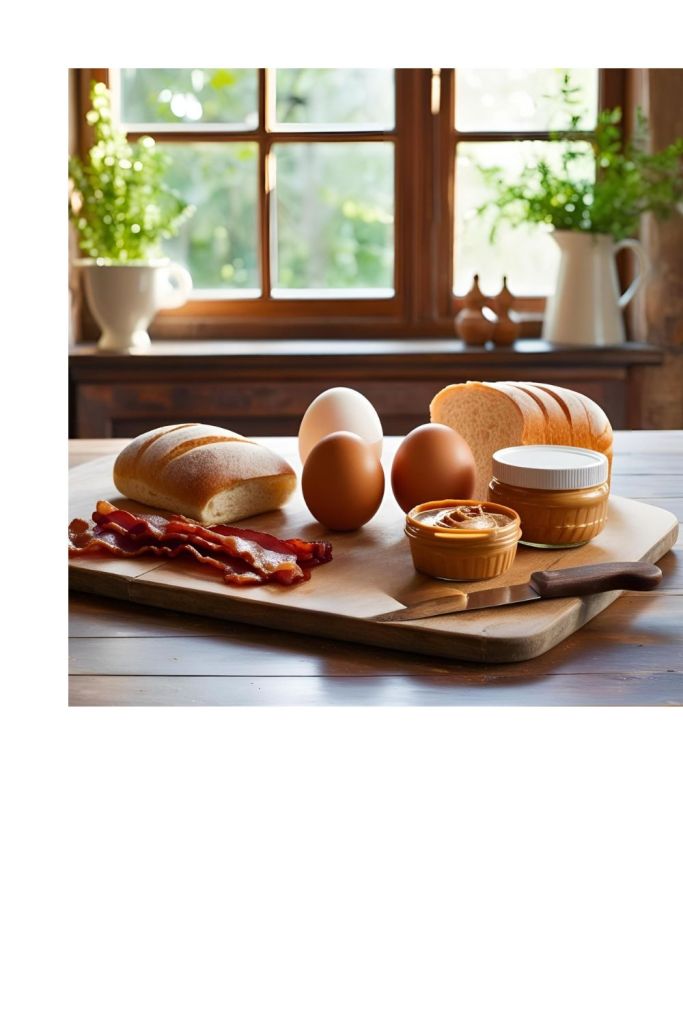
Sausage + Eggs + Toast — Breakfast-for-dinner, aka using breakfast foods to emotionally reset.
Sunday
Coke Pulled Pork + Mac or Egg Noodles — The crockpot does all the work. You take the credit.
Week Four
Day
Meal
Monday
Pulled Pork “Tacos” — Leftovers dressed up. Throw in onions, peppers, canned tomatoes, and rice. Tortilla optional. I like to make it a rice bowl or in tortillas, we have also put pulled pork leftovers with some salsa and nachos.
Tuesday
Meatballs in Marinara — From the freezer to the table. Zero regrets.
Wednesday
Eggs + Toast + Hashbrowns or Fruit — Breakfast, again. Because we do what works.
Thursday
Chicken Stir-Fry + Rice — Takes 15 minutes and makes you feel like you’ve got your life together.
Friday
Soup + Crackers or Sandwiches — More reserves. Less thinking.
Saturday
Pasta Bake or Lazy Lasagna — Toss it in a dish and bake until bubbly. Cheesy redemption.
Sunday
Maple Glazed Chicken + Buttered Noodles — The Pinterest recipe you actually pulled off. Hubby-approved. Next time we’re reducing that glaze for stick factor.
🍳 Ingredients for the Cook Day Hits (Sarcasm Included)
Sausage & Peppers over Egg Noodles Ingredients: sweet Italian turkey sausage, red and green bell peppers, yellow onion, garlic, broth (instead of wine), canned diced tomatoes, tomato paste, dried oregano, olive oil, egg noodles. Honestly I tweak this every time. If it sounds like it’d be good in it I’d try. Mood: Colorful enough to feel like you’re trying.
Baked Chicken + Roasted Veggies Ingredients: chicken breasts, potatoes, carrots, olive oil, salt, pepper, whatever seasoning makes you feel chef-y. Mood: Toss it all on a sheet pan. Roasting = pretending you’re fancy.
Coke Pulled Pork Ingredients: pork roast, 1 can of Coke, BBQ sauce, salt, pepper, onion powder. Mood: Dump, set, and go live your life.
Meatballs in Marinara Ingredients: frozen meatballs, jarred marinara sauce, spaghetti or mashed potatoes. Mood: It’s giving “fake it till you bake it.”
Chicken Stir-Fry Ingredients: chicken breasts, frozen stir-fry veggies, soy sauce, splash of broth, oil, rice. Mood: One-pan wonder with zero side-eyes.
Pasta Bake or Lazy Lasagna Ingredients: cooked pasta, any ground meat, jarred pasta sauce, shredded cheese. Mood: Layer, bake, and pretend you slaved.
Maple Glazed Chicken Ingredients: chicken thighs or breasts, maple syrup, soy sauce, garlic powder or minced garlic, BBQ sauce. Mood: So good your partner eats the leftovers. Sauce could use a glow-up — try reducing it next time.
🍆 Reserve Staples to Keep on Hand
Chicken strips (frozen)
Eggs
Bread (for toast & sandwiches)
Canned soups
Frozen vegetables
Hashbrowns
Knorr sides or boxed pasta mixes
Rice
Pasta
Tortillas
Jarred pasta sauce
Shredded cheese
Bacon or sausage (for breakfast-for-dinner days)
Instant mashed potatoes (optional but very sanity-saving)
🚨 Final Thoughts
You don’t have to be a perfect parent or domestic goddess to feed your family. This plan makes use of what you already have, lets you lean on frozen staples without shame, and helps reduce decision fatigue. Keep showing up, spoon by spoon. You’re doing better than you think.
Want more meal plans? Stick around — we’re doing this every two weeks until I run out of freezer space or patience.
Printable grocery list? Right here. Pinterest-worthy recipes? Working on it. Sanity? Pending.
The Dishes, the Drama, and the Floor Dive That Saved the Day
‘woe is me’ – me probably being melodramatic
Let me set the scene: I’m a chronic-illness, ADHD, bipolar, recently-hip-replaced mom trying to hold the household together with duct tape and sarcasm. My teen? Smart. Strong-willed. And currently convinced I’m the villain in her origin story.
And today? Today was The Dishes Incident™.
✋ Scene One: A Chore of Her Own Choosing
We don’t assign chores like a dictatorship around here. I made a list. She chose “dishes.” It was her idea. Ten bucks a week. Seemed simple. No tricks, no traps. Just a job she picked herself.
Last night, after hours of computer time, I said: “It’s time.”
She said: “I’m tired.”
I said: “Fine. Tomorrow morning, before school.”
She said: “Okay.”
Agreement made. Terms accepted. Treaty signed.
⏰ Scene Two: The Deal Breaker
She woke up on her own at 5 AM — a miracle I did not question. Then she asked:
“Can I do them when I get home?”
Cue my calm-but-firm voice: “No. That’s not the deal.” The deal. Her deal.
Enter: rage. Defiance. And the words that burn like fire even when you know they’re just teen flailing:
“I hate you! I want to go live with Grandma!”
Classic. Not the first time I have heard it and it wont be the last I’m sure but it guts me every time.
🐈 Scene Three: The Cat, the Crisis, and the Floor
Then I saw her on the living room camera… getting way too close to one of the cats. And a pit hit my stomach: Was she looking for something to hurt because she was hurting?
the cat was like, ‘you broke the food lady’
I ran. Too fast. My hip screamed. I told her: “If you need to hurt someone, hurt me. I’m the one you’re mad at.”
Then her dad got up. And I — knowing better — told him what she said.
Cue: screaming. Yelling. Not listening. To me, nor each other.
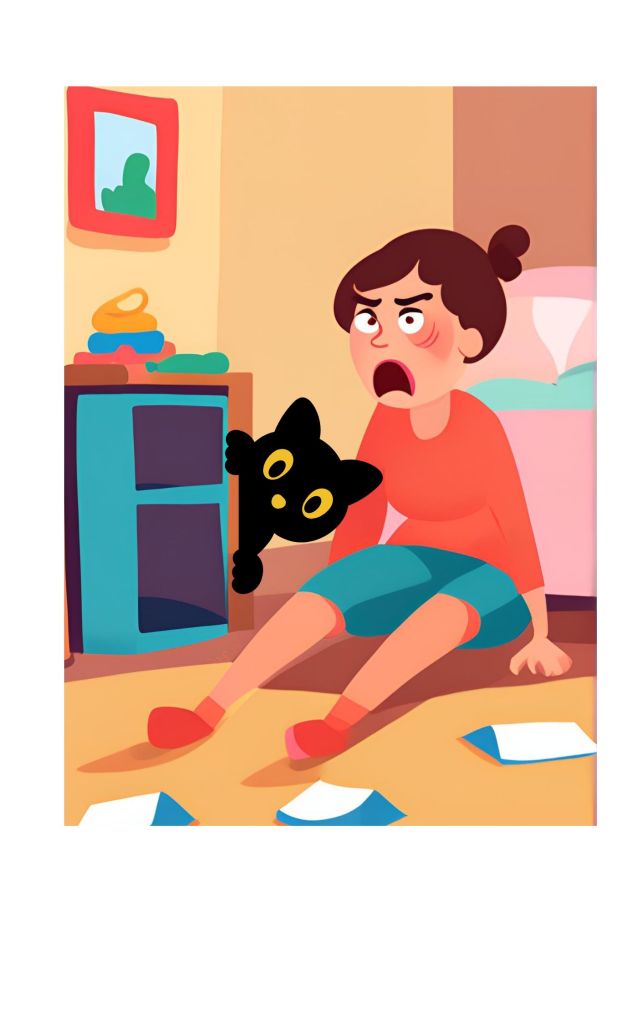
So I did the only thing I could think of. I threw myself on the floor. Literally. Like a one-woman protest movement.
It worked. Not proud of it. But it worked. Because when words don’t reach them, drama sometimes does.
🫱 Scene Four: The Olive Branch (and the Laundry)
Later, I offered her a new deal. The laundry. Every day. Not as punishment — as partnership.
Her dad won’t have to haul baskets up and down stairs. I still can’t do them after surgery. It’s a chance for her to contribute and feel capable again.
But just so we’re clear: If she cooks it, she cleans it. I may be flexible, but I’m not a doormat.
💬 What I’m Learning (Even When It Hurts)
Holding boundaries hurts sometimes. Offering grace doesn’t always feel graceful. Being the “mean mom” isn’t about being cruel — it’s about being consistent.
She sees me as mean today. We’ll see how she is when she gets home. We havent had a blow up like that in a while, sometimes she comes home apologetic, sometimes she doubles down. Maybe one day she’ll see it for what it was: love that didn’t flinch, even when it limped. Til next time gang, take care of yourselves, and each other!
(Or: “Sorry, kid, my brain’s floating three feet to the left right now.”)
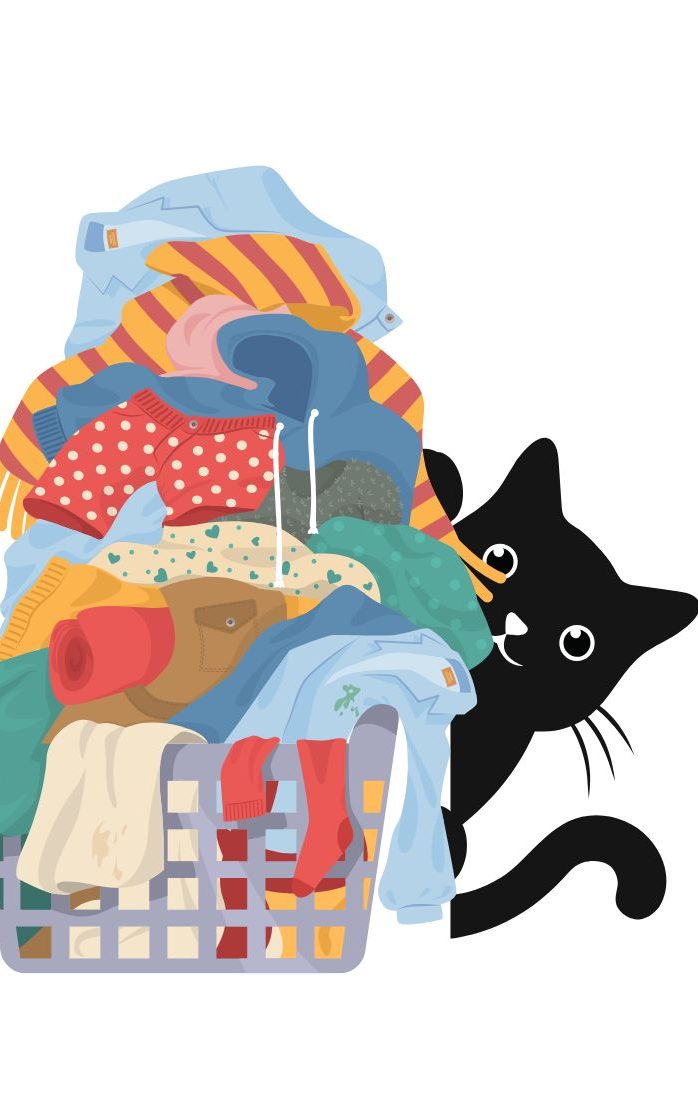
Some days, I’m Supermom(ish). Other days, I’m just a sentient pile of laundry pretending to be a person. And then there are the days I’m trying to parent through a fog so thick it feels like I’m watching my life on a 5-second delay. Do you ever do that? Your nodding along, it appears you are in agreement only to blurt out an answer to a rhetorical question from two topics ago and its just stares and crickets? No? just me?
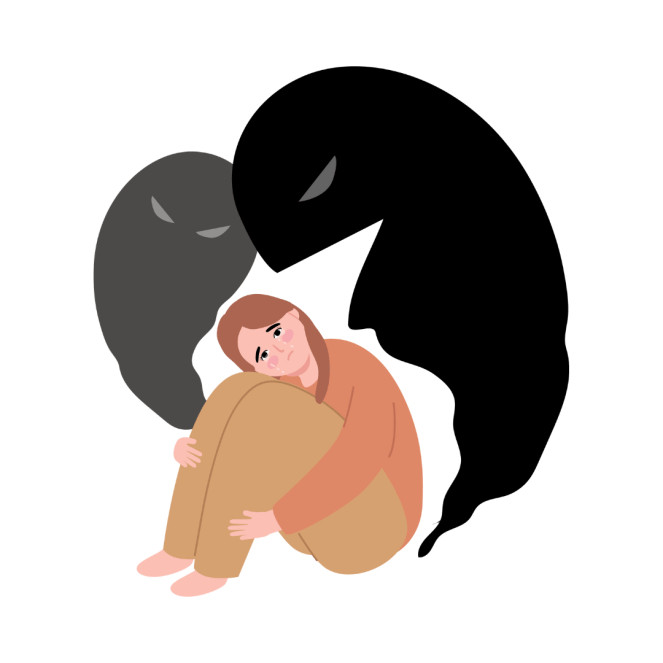
That’s dissociation — and it’s not just zoning out. It’s a real and very common symptom of trauma, stress, and neurodivergence.
What Dissociation Actually Is
Dissociation is your brain’s way of going, “Nope. Too much. We’re going to detach for survival now.” Believe it or not I learned this when my heart stopped. I have ZERO recollection of at least a month on either side, and I hope I never get those memories back because they had to be scary for my brain to hide them like that.
Dissociation can feel like:
You’re watching yourself from outside your body
Time is warped or unreal
The world looks… fake. Like how they depict it in movies with people in your face that look like characters from a dream
Emotions are muted, or you’re totally numb
According to the National Alliance on Mental Illness (NAMI), dissociation can affect people with PTSD, anxiety, depression, ADHD, and bipolar disorder — basically, a Greatest Hits list of what I’m working with.
And yes, it can show up in chronic pain conditions too. Research in the Journal of Trauma & Dissociation (2020) found that people with fibromyalgia reported higher dissociation symptoms than control groups — likely because living in constant pain is its own form of trauma.
But What Does That Look Like as a Parent?
It looks like:
Nodding at your teen’s story but realizing you didn’t process a word of it
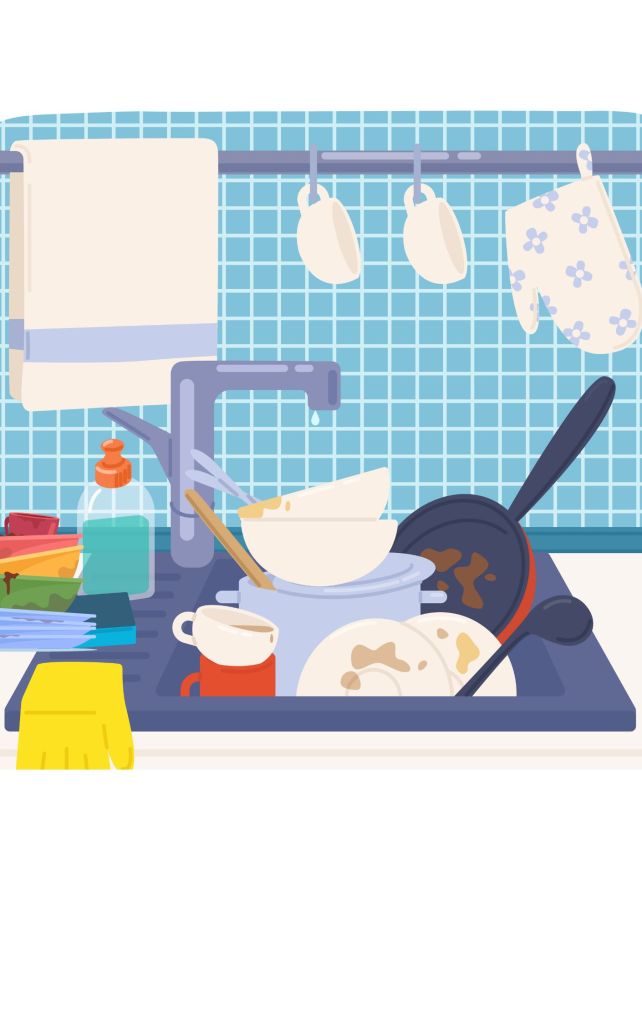
Looking at the kitchen sink and wondering how the dishes multiplied like gremlins
Holding your kid’s hand while mentally floating somewhere in 2004
Hearing “Mom?” for the third time before realizing you are Mom. Or your name, anything someone has to say three times before it registers.
And when your kid’s autistic and needs you fully present — or your brain’s ADHD and skittering like George in a glitter store — that’s a special brand of guilt.
What Helps Me Come Back
I’m still figuring it out. But here’s what works — sometimes:
Name it: “I’m dissociating” sounds weird at first, but saying it out loud grounds me. It also helps my teen understand it’s not personal. It has helped countless times with hubby.
Cold water or texture changes: Ice packs, textured putty, or touching something rough brings me back. Try keeping a wash cloth in the freezer.
Mindless movement: Folding towels. Walking in circles. Tapping my fingers. Rhythm helps. Fidget spinners. Keep a pencil and paper and doodle. Anything mindless.
Breathing and narration: “I’m sitting. My feet are on the floor. I can hear the fan.” It’s cheesy. It works. Its a variation of a tact professionals use, five things you can see, four things you can hear, etc.
If This Is You Too…
You’re not broken. You’re not a bad parent. You’re not failing because your brain protects you in weird, inconvenient ways.
You’re doing the best you can. And you’re still showing up. Even if it’s in pieces, even if you’re floating — you’re here.
That counts for something. Til next time gang, take care of yourselves and each other.
For the nights when you’re out of energy, out of time, or just plain over it.
Let’s be real: I’m not living in a Pinterest-perfect kitchen with endless time, energy, or executive function. I’m not even 50% back to where I WAS, which is to say subpar and inefficient.
So yeah—there’s a lot going on at any given moment in my house.
Meal planning used to feel like one more thing I was “failing” at. I’d write out seven dinners for the week, try to stick to it, and inevitably hit a wall by Wednesday. Leftovers piled up, produce went bad, or we ended up eating cereal because the plan didn’t match real life.
That’s when I stopped trying to force a perfect schedule and started building something that actually works for us. I call it my Reserves-Based Meal Plan—a mix of flexible structure, intentional leftovers, and reliable “backup” meals. It’s made our evenings smoother, saved money, and reduced the constant stress around food. Are you sick and tired of looking in your fridge saying ‘I don’t know what do YOU want to eat?’ We were to the point of it being overwhelming. I am nearly done with week 1 and its gone well and we havent asked the dreaded question yet.
If you’re overwhelmed, neurodivergent, chronically ill, or just busy as hell—this system might help you too.
🧂 What Is a Reserves-Based Meal Plan?
You know how most meal plans assume you’re going to cook every single night like some kind of apron-wearing domestic goddess who enjoys washing cutting boards?
Yeah. No thanks.
A Reserves-Based Meal Plan is built for people with actual lives—and possibly brain fog, executive dysfunction, chronic pain, or a teen who suddenly “doesn’t like chicken anymore” even though it was fine yesterday.
Here’s how it works:
I plan 3–4 solid meals a week—things I know we’ll probably eat together.
The rest of the week is leftovers or “reserves.”
Reserves = easy backup meals I can make fast with zero emotional commitment. Think: chicken strips, scrambled eggs, or anything that comes out of a box and doesn’t judge me. (Hamburgers, Keilbasa, eggs and chicken strips are pretty well what we stick to)
This plan is flexible on purpose. It gives me room to shift things around when life gets chaotic (which, let’s be real, is always), and it keeps food from going to waste when plans change or I just can’t that night.
🗓️ Two-Week Meal Plan (With Commentary & Chaos)
Welcome to the plan that might save your week—or at least reduce the number of emergency cereal nights.
This plan assumes you’re cooking about 3–4 times a week, depending on energy levels, surprise IEP meetings, or spontaneous teenage existential crises. The rest of the time is covered by leftovers, reserves, or the ancient rite of takeout.
Week One
Day
Meal
Sunday
Hamburger Helper – Not fancy, but comforting. It’s giving “90s latchkey kid,” and we respect that energy. I sometimes switch out the burger and go with ground turkey or throw some veggies. Its the only way I can sneak them into her
Ingredients: ground beef, boxed hamburger helper mix, milk, water, and your dignity.
Monday
Leftovers or Reserves – Whatever is easiest to microwave while standing in socks staring into the fridge.
Tuesday
Sausage & Peppers with Jasmine Rice – Colorful enough to feel like you’re trying, but simple enough to cook on autopilot. You can also make it without the rice, put it on a hoagie roll (or grinder to my RI friends)
Ingredients: sausage (Italian or kielbasa), bell peppers, onions, canned tomatoes, garlic, olive oil, jasmine rice.
Wednesday
Leftovers or Reserves – The peppers are still in the fridge, but now they’re suspicious.
Thursday
Leftovers or Reserves – Try and use up one reserve or another.
Friday
Chicken Fajitas – Hot, sizzling, and guaranteed to make the kitchen smell like you’re doing something impressive. (Also a good way to use up the rest of the peppers)
Ingredients: chicken breast or thighs, bell peppers, onions, spices (paprika, cumin, garlic), tortillas. Optional: sour cream, salsa, shredded cheese. Rice
Saturday
Leftovers or Takeout – Translation: The fridge is now an emotional puzzle, and you’ve earned the right to outsource.
Week Two
Day
Meal
Sunday
Chicken & Rice Casserole – A cozy, low-effort oven hug.
Finish All Reserves – If it’s not gone today, it’s getting freezer-burned or forgotten.
Sunday
Mac & Cheese with Kielbasa – The grand finale. This meal says, “We made it. Somehow.”
Ingredients: boxed mac & cheese or homemade, kielbasa or smoked sausage, butter, milk, cheese, sense of victory.
🛒 The “I Got Everything, I Think” Shopping List
This is the comprehensive list for the full two-week plan. It includes all the main meal ingredients and reserves. You won’t need everything every time, so adjust based on what’s already hiding in your pantry or freezer.
Feel free to highlight the things that are “yes, I must buy this” and ignore the things that are already fossilized in the back of your cabinet. Also, I’m not going to say its the same for everyone, but this list at Walmart the way I bought everything ended up being roughly 150 dollars. I estimate we MIGHT spend another 100 on snacks any given MONTH, and 400-500 a month for groceries seems ideal for a family of 3-4 to aim for
🥩 Protein Zone (a.k.a. Things That Should Be Thawed but Probably Aren’t)
Chicken breasts or thighs – 4-5 lbs (fajitas, maple glazed, casserole) (if you get frozen breasts you can easily pull out however many you need)
Sausage (Italian or smoked/kielbasa) – 2–3 packs (I buy the horseshoe one and the pack of bun sized ones, you can use either or interchangably.)
Eggs – 2 dozen (reserves, baking, general survival)
Pre-cooked chicken strips or tenders – 1 bag or box (reserves)
The reserves figure in because you can move them around. So many times I see Sausage and peppers and think, ‘ugh, thats a lot of standing’ I try and get the bag of frozen chicken, I take out 3-4 depending on what I’m making, but its easier to thaw and plan for it and I get the 5 lb bag. For the ground beef, I get one lb, but then I get frozen burgers. You can break them up for the pasta, mix whatever sausage is left, it will give you a nice thick meat sauce.
🥕 Produce That Will Eventually Get Sketchy
Bell peppers – 4–5 (fajitas, sausage & peppers) OR I get the small bag of sweet peppers or stoplight peppers as they are sometimes called.
Onions – 3–4 (every meal ever)
Tomatoes – 2–3 (general use)
Garlic – 1 bulb (for when you want to feel like a chef)
Salad greens – if you want to pretend you eat salads
Optional: carrots, celery, herbs (fancy but not required)
🥖 Bread & Grains (Carb Comfort Section)
Hamburger buns – 1 pack
Hot dog buns – 1 pack
Bread – 1 loaf (toast, sandwiches, life raft)
Jasmine rice – 1 bag (sausage & peppers, casserole)
Egg noodles – 1 bag (maple glazed chicken)
Elbow macaroni – 1 box (mac & cheese)
Pasta (penne/spaghetti/etc.) – 1–2 boxes
Knorr sides – 1–2 packets (reserves)
Tortillas – 1 pack (fajitas, leftover tacos)
📝 Check your pantry before heading to the store. The easiest way I have found is to get your list then go through your pantry and check off what you see. Otherwise you end up with half filled bags, or worse, moldy stuff.
🧀 Fridge Friends (aka: Things I Steal Bites Of While Cooking)
Milk – 1 gallon
Butter – 1–2 sticks
Shredded cheese – 2–3 cups I get different kinds
Cream cheese – optional, but excellent
Parmesan – optional but classy
🥫 Pantry Staples & Secret Weapons
Hamburger Helper – 1 box (nostalgia in a packet)
Pasta sauce – 1 jar (or make your own if you’re feeling bold)
Canned tomatoes – 4 cans, I like to get petite diced but there are a number of cuts and flavors to try.
Maple syrup – not just for pancakes anymore Use REAL syrup though.
Chicken broth – 2–3 cups or 2 cans
Cream of chicken soup – 1–2 cans
Mac & cheese – 1 box (or ingredients for homemade) I want to do the mac and cheese and sausage in a casserole but you can just make it by frying up the sausage and making the mac and cheese seperate.
Cooking oil – olive or vegetable
Salt, pepper, garlic powder, cumin, paprika, Italian seasoning
🧂 Extras / Condiments / Things You Forget Until It’s Too Late
Ketchup, (burgers, sandwiches)
Salsa, hot sauce
Soy Sauce
Frozen veggies – great for sides or stuffing into casseroles – I put them in EVERYTHING, its the best way to get veggies in front of her without her really noticing.
Tortilla chips – for reserve dinner morale boosts
🍽️ Basic Recipe Rundown
(for all the planned meals — not reserves) Reserves for this week: Hamburger, sausage, eggs, chicken strips and endless knorr sides.
🍔 Hamburger Helper (Sunday, Week 1)
Nostalgic chaos in a box, and honestly? Still slaps.
How to: Brown the ground beef. Drain the grease if it’s swimming. Add in the mix, milk, and water. Stir, simmer, stir again, ignore for a while, then serve. Bonus points if you add frozen peas or shredded cheese. Or depending on the flavor a can of tomatoes.
🌶️ Sausage & Peppers with Jasmine Rice (Tuesday, Week 1)
Looks colorful. Feels like effort. Isn’t.
You’ll need:
1 lb sausage (Italian or smoked kielbasa)
Bell peppers (2–3), onions (1–2), and tomatoes (canned)
Garlic, olive oil, salt/pepper
1/2 cup chopped fresh basil leaves
4 garlic cloves, chopped
2 tablespoons tomato paste
1 cup Chicken broth, you CAN use marsala wine but I dont keep that handy
1 (15-ounce) can diced tomatoes
1/4 teaspoon red pepper flakes, optional
Jasmine rice
How to: Heat the oil in a heavy large skillet over medium heat. Add the sausages and cook until brown on both sides, about 7 to 10 minutes. Remove from the pan and drain. Keeping the pan over medium heat, add the peppers, onions, salt, and pepper and cook until golden brown, about 5 minutes. Add the oregano, basil, and garlic and cook 2 more minutes. Add the tomato paste and stir. Add the Marsala wine, tomatoes, and chili flakes, if using. Stir to combine, scraping the bottom of the pan with a wooden spoon to release all the browned bits. Bring to a simmer. Cut the sausages into 4 to 6 pieces each, about 1-inch cubes. Add the sausage back to the pan and stir to combine. Cook until the sauce has thickened, about 20 minutes. Fix the rice per instructions, serve on top of Jasmine rice or put it on a bun.
🌯 Chicken Fajitas (Friday, Week 1)
Sizzling pan. Big energy. Barely any effort.
You’ll need:
1–1.5 lbs chicken (breast or thigh), sliced
Bell peppers + onions, sliced
Spices: paprika, cumin, garlic powder, salt
Tortillas
can of petite diced tomatoes
Optional toppings: cheese, salsa, lime
Rice (use Jasmine if you want to use it up, but any rice works)
How to: Toss chicken in spices, sauté in oil. Add peppers and onions and can of tomato with most of the water drained. Cook till soft and a little browned. Wrap in tortillas with rice and top with whatever’s in the fridge cheese and salsa wise.
🍗 Chicken & Rice Casserole (Sunday, Week 2)
Comfort food with a “throw it in the oven and pray” vibe.
You’ll need:
Cooked or leftover chicken
Cooked rice
1–2 cans cream of chicken soup
Chicken broth
Shredded cheese
Optional: peas, carrots, frozen sadness
How to: Mix everything in a baking dish—rice, chopped chicken, soup, splash of broth, cheese. Stir. Bake at 350°F for 30–40 min. Top with extra cheese if you love yourself.
🍁 Maple Glazed Chicken with Egg Noodles (Tuesday, Week 2)
Sweet, sticky, and weirdly impressive for how lazy it is.
You’ll need:
Chicken (breasts or thighs)
Maple syrup PURE
Garlic (minced)
Chicken Broth
Lemon juice
Egg noodles
Butter
How to: Mix maple, garlic, chicken broth lemon juice in a medium bowl. Set aside. Season chicken salt and pepper, sear in a skillet. 3-4 minutes on each side. Set aside and wait for the pan to cool completely. Once cool, add maple sauce mixture. Bring to simmer and scrape all the brown bits off the bottom of the pan. Add in the seared chicken back into the skillet, simmer 5-8 minutes until chicken is done Simmer until cooked and glazed. Remove the chicken and reduce the glaze. That sounds daunting but its not. You just turn the heat on high and simmer for 1-3 minutes, DON’T BURN IT! Stay with it and stir it. Cook noodles, strain leave 1/2-1 cup of starchy water, throw in garlic butter. Slap it all on a plate. Smile faintly.
🍝 Pasta & Meat Sauce (Wednesday, Week 2)
The crowd-pleaser. The fallback. The midweek MVP.
You’ll need:
Pasta (any kind)
1 lb ground beef
1 jar pasta sauce
Garlic, onion, herbs (optional)
How to: Brown ground beef with garlic/onion if using. Pour in sauce. Simmer while the pasta cooks. Drain pasta, mix, serve, top with cheese and relief. You can easily break up the burgers, you can also break up the sausage.
🧀 Mac & Cheese with Kielbasa (Sunday, Week 2)
Is it a kid meal? Is it comfort food? Is it just what you had left? Yes.
You’ll need:
Boxed mac & cheese or your homemade version
Kielbasa/smoked sausage
Butter, milk, shredded cheese (if DIY)
How to: Cook kielbasa separately (sauté or bake). Make mac & cheese. Mix them together or serve side-by-side like a classy cafeteria dinner.
Or for more of a homemade from scratch feel: Cook and stir the cut-up kielbasa in a large skillet over medium heat for 6 to 8 minutes, until heated through and beginning to brown. Remove the sausage from the skillet, and set aside.
Fill a pan with lightly salted water, bring to a boil over medium-high heat, stir in the macaroni, and return to a boil. Cook, stirring occasionally, until the pasta has cooked through but is still firm to the bite, about 8 minutes. Drain well.
Preheat an oven to 350 degrees F (175 degrees C). Grease a 9×13 inch baking dish. Melt the butter in the skillet over medium-low heat, and cook and stir the chopped onion for about 5 minutes, until translucent. Whisk in the flour, stirring constantly to avoid lumps. Cook and stir the butter, onion and flour for 2 to 3 minutes to make a roux, and remove from the heat. Whisk in the milk a little at a time, stirring constantly, until all the milk has been incorporated, and return to low heat. Bring the sauce to a simmer, and cook over low heat for about 2 minutes, stirring constantly, to finish cooking the flour. Whisk in the cheese, most use cheddar but theres no hard and fast rule so I throw in a mix generally, a few cubes at a time, until all the cheese has been incorporated and the sauce is hot and smooth. Pour the macaroni into the cheese sauce, and stir to combine. Stir in the cooked kielbasa, salt, and pepper.
Spoon the macaroni mixture into the prepared baking dish, and sprinkle the bread crumbs over the top. Bake for about 20 minutes in the preheated oven, until the crumbs are brown and the casserole is bubbling. Let stand for 15 minutes after baking, to set before serving. The bread crumbs make it FEEL authentically homemade.
🎉 Conclusion: You’ve Got This (Seriously)
Look, meal planning doesn’t have to be a perfect science. If it were, we’d all have an army of chefs and a fridge that actually respects us. But I’ve learned that the most important part is making a plan that fits your life. And let’s be honest—life is messy.
This Reserves-Based Meal Plan is designed to take the pressure off and give you a framework that works around whatever’s going on in your world, from chronic illness to teenage moods. It’s not about perfection; it’s about giving yourself room to breathe, stay flexible, and get dinner on the table without pulling your hair out. I also did it to stream line shopping. Our personal plan is twice a month, but you could go weekly or monthly easily.
I know some nights will be leftovers, some will be reserves, and sometimes I’ll be ordering pizza and pretending it’s part of the plan. And that’s okay. We’re all just doing our best.
So, whether you’re juggling multiple schedules, battling a mental health day, or just trying to get through the week without eating cereal at 8 p.m., I hope this plan helps you keep things moving—without making you feel like you’re failing. You’ve got this. And if you don’t, well, there’s always takeout.
📚 Final Thoughts
Meal planning doesn’t need to be overwhelming. Use this system to make meals work for you—whether that’s through leftovers, reserves, or embracing the chaos of real life. And remember: this plan is just a starting point. You’ll tweak it, adjust it, and make it yours. Start with the easiest things you can, the more versatile the better I tried to make it so I got at least two meals out of everything And that’s what’s going to make it actually stick. I might wait until I see whats left over after two weeks before I do the next or I might plan it out today, not like I got much going on lol
If you’ve got questions or want to share your own tricks for surviving busy nights, drop a comment below. Let’s all be in this together. We can’t be perfect, but we can be practical. And trust me, that’s better anyway. Til next time gang, take care of yourselves, and each other.

















 What Dissociation Actually Is
 But What Does That Look Like as a Parent?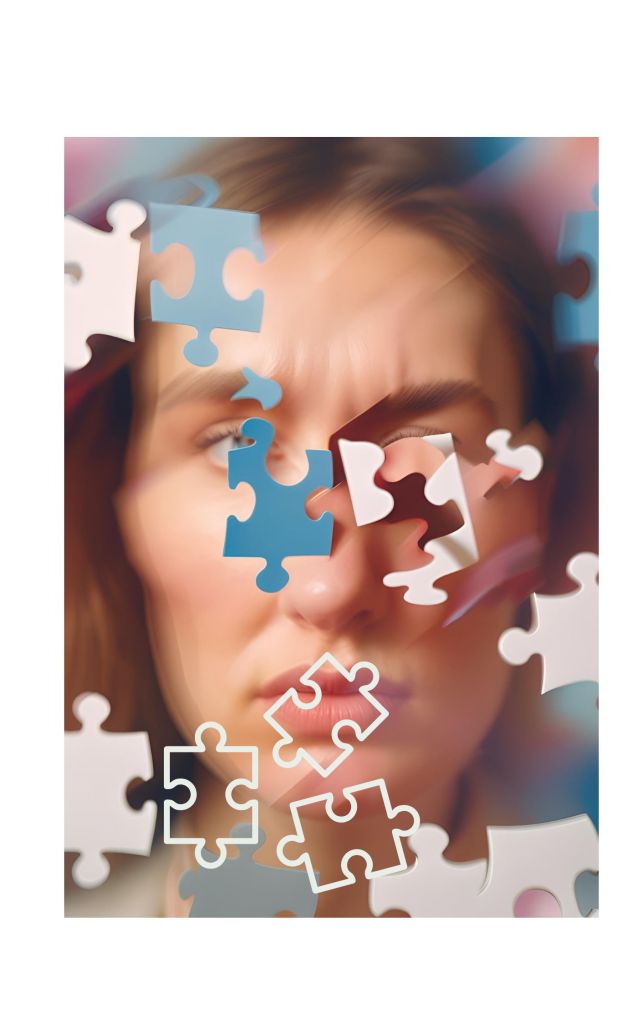
 What Helps Me Come Back
 If This Is You Too…
 WannaBeNormal