Uncategorized

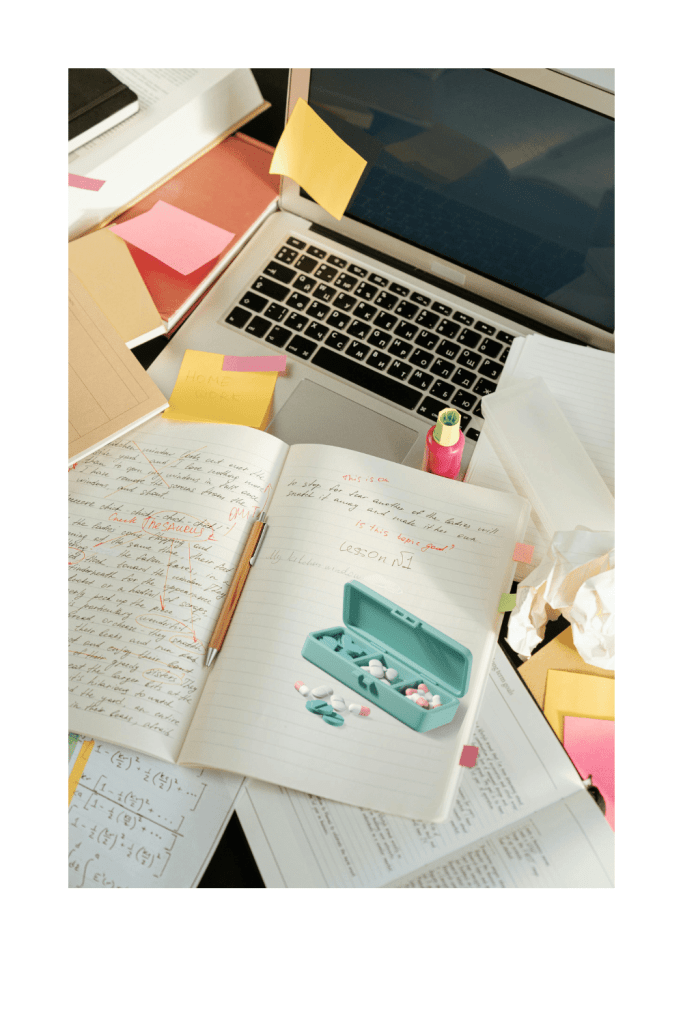
💊 When Your Body Stages a Coup: Surviving Withdrawal from Your Legally Prescribed Meds

So picture this: you’re minding your business, taking your meds like a responsible adult, when suddenly—boom.
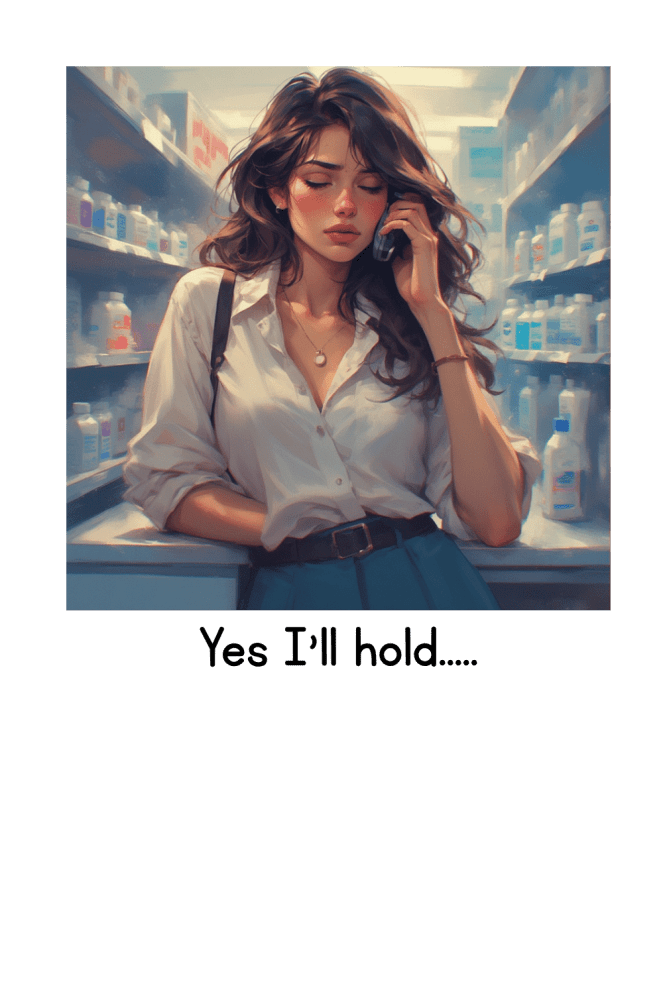
Pharmacy delay. Doctor out of town. Prior authorization “pending.” Ah the setback of psych meds.
And your nervous system? It’s like, “Cool cool cool… let’s panic about everything now.”
Let’s be clear right out of the gate:
This isn’t addiction.
This is what happens when your body gets used to something your doctor prescribed, and then it disappears faster than your motivation on a Monday.

For people managing chronic pain, ADHD, bipolar disorder, fibromyalgia, anxiety—basically anything that makes life feel like juggling flaming swords—missing meds can wreck your whole week. Sometimes your whole month. It used to be pain meds were controlled, well I got off all them and then I find out one of my meds for my mental state is controlled too.

So here’s the practical, not-patronizing guide to surviving it.


🧠 1. Know What’s Happening — It’s Not “Just in Your Head”

Your body doesn’t care that you’re being responsible. It just knows chemistry changed.
Withdrawal from meds like antidepressants, or mood stabilizers can cause:

  • Flu-like symptoms (the fever, chills, and “oh God, why” kind)
  • Dizziness or brain zaps
  • Stomach chaos (you know what I mean)
  • Anxiety that feels like being trapped in your own skin
  • Crying at car insurance commercials

You’re not crazy, dramatic, or weak. You’re literally detoxing from a medication your body depended on.


🩺 2. Call the Pharmacy and Doctor — Every. Single. Day.

Yes, it’s annoying. Yes, they hate it. Do it anyway.
Sometimes the squeaky wheel really does get the refill.

Ask for:
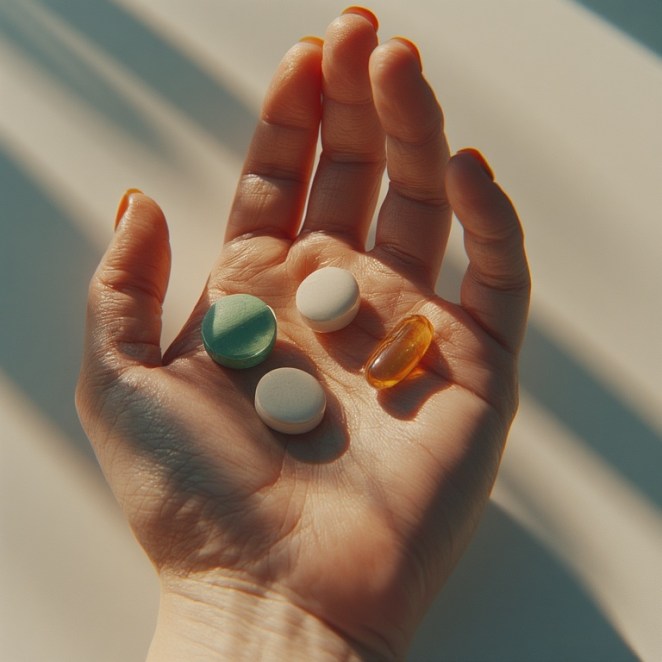
  • A partial fill (even a few days’ worth helps)
  • Generic or alternative options
  • If your doctor can bridge it with samples or a similar med

If you can’t get through to your doctor, ask to speak to the nurse or pharmacist directly—they can often light a fire under the process faster than anyone else.


🧘‍♀️ 3. Temporary Coping Tools (That Actually Help)

You can’t cure withdrawal, but you can soften the edges.
Try:

  • Hydration like it’s your job. Electrolytes help your body flush junk out faster.
  • Protein and complex carbs. Blood sugar swings make symptoms worse.
  • Body temp tricks: cool showers for feverish restlessness, warm baths for muscle tension.
  • Magnesium and vitamin B supplements (if cleared by your doc).
  • Ginger tea or mints for nausea.
  • Noise + comfort TV. Distract your brain from itself. (“SVU’ or ‘Chicago’ shows is a favorite here.)

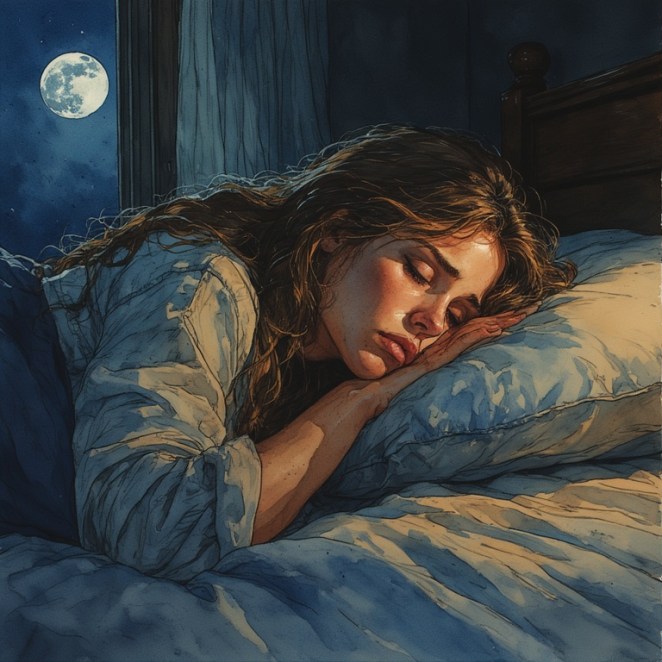
And yes, sleep whenever you can. Withdrawal can feel like a bad breakup between your brain and your body, and you’ll need rest to survive the drama.


🚨 4. Know When It’s Too Much

If your symptoms go beyond “ugh” and start looking like “dangerous,” it’s time to get help.
Go to urgent care or call your doctor if you experience:

  • Suicidal thoughts
  • Chest pain
  • Severe confusion or disorientation
  • Tremors, seizures, or blood pressure spikes

No guilt, no hesitation. This isn’t weakness—it’s biology in meltdown mode.


💬 5. You’re Not a “Druggie.” You’re a Human Being.

Let’s kill that stigma right now.
There’s a difference between dependency and addiction—one means your body adapted to a med, the other means there’s misuse or compulsion.

If you’re following your prescription and life implodes when you miss it, that’s not moral failure. That’s chemistry. And it deserves compassion, not judgment.


🌿 Bonus: What to Do Once You’re Back on Track

  • Ask about tapering. Even a few days’ gap can make restarting rough.
  • Set up refill reminders. Calendar, app, sticky note, carrier pigeon—whatever works.
  • Request overlap fills (some pharmacies will fill a few days early if you ask).
  • Stock an emergency buffer once you can, even if it’s just a few days’ worth.

And most importantly: forgive yourself for the mess that isn’t your fault.
Medication management in modern healthcare is like playing whack-a-mole blindfolded. You’re doing great just by surviving it. Dependency is’nt addiction. Til next time gang, take care of yourselves, and each other!



Uncategorized

7 Weird Life Skills Chronic Illness Gave Me

Chronic illness is the world’s most aggressive “skills training program.” Except instead of a certificate and a raise, you get brain fog, pain, and an ongoing relationship with your heating pad. Still, I’ve picked up some unique skills along the way—stuff I never knew I’d need but now couldn’t live without.

1. Mastering the Art of Fake Smiling

I could win Olympic gold for pretending I’m fine while my joints are staging a coup. Do I want to collapse in a heap? Yes. Am I going to grin like I just won a cruise? Also yes.

2. Human Calculator for Spoonie Math

“Can I shower and cook dinner today, or is that too ambitious?” I can do the math faster than you can open your planner. Spoiler: the answer is usually “nope.”

3. Expert in Improvised Heat Therapy

Rice sock? Check. Heating pad? Check. Sitting on my kid’s warm laundry fresh out of the dryer because I can’t wait for relief? Double check. Pro tip, heat rises, I sleep ON not UNDER an electric blanket it has made a world of difference.

4. Planning for Chaos Like a Pro

You know how event planners can handle weddings with 200 guests? Try managing your day when you don’t know if you’ll wake up with a migraine, a hip flare, or zero energy. I don’t plan weddings. I plan for chaos.

5. Napping Anywhere, Anytime

Airports, doctor’s waiting rooms, my car in the school pickup line—I have the gift of nap. If there was a frequent napper punch card, I’d have earned a free mattress by now.

6. Doctor Jargon Translator

I can translate “mild discomfort” into “you won’t walk tomorrow” and “we’ll keep an eye on it” into “we have no idea what’s wrong.” Basically, I’m bilingual.

7. Black-Belt Level Boundary Setting

When you’ve got limited spoons, you learn real quick how to say, “No, I can’t go to your cousin’s friend’s birthday barbecue three towns over.” Honestly, it’s a superpower.


✨ Chronic illness may have wrecked my body, but hey—it gave me some weird little life skills along the way. Your turn: what weird skill has chronic illness forced you to master? Til next time gang, take care of yourselves, and each other.

Uncategorized

Why Sleep Is So Complicated When You’re Living With ADHD, Bipolar Disorder, and Fibromyalgia

Sleep isn’t just about closing your eyes and drifting off. For some of us, it’s like trying to land a plane in a thunderstorm with three different copilots all fighting over the controls. ADHD, bipolar disorder, and fibromyalgia each mess with sleep in their own ways—and when they show up together, it’s no wonder rest feels more like a negotiation than a guarantee.


ADHD: A Brain That Won’t Clock Out

With ADHD, the brain doesn’t exactly come with an off-switch. Racing thoughts, late-night hyperfocus, or the dreaded “second wind” make it easy to miss sleep windows. Research shows people with ADHD often experience delayed sleep phase syndrome—meaning their internal clock is naturally shifted later.

What helps:

  • Keep a consistent bedtime routine (same order, every night, like brushing teeth → skincare → reading).
  • Use a “wind-down timer” alarm to remind you when to step away from screens.
  • Try body-doubling for bedtime (texting a friend “logging off now” helps hold you accountable).

Bipolar Disorder: Sleep as a Mood Swing Marker

Sleep disruption isn’t just a symptom of bipolar disorder—it’s also a warning sign. During manic episodes, people may need little to no sleep and still feel wired. In depressive episodes, hypersomnia (sleeping too much) or insomnia are both common. Clinicians even track sleep patterns as a way to gauge where someone is on the bipolar spectrum, because sleep disturbance is that central to the condition.

What helps:

  • Stick to a strict sleep/wake schedule—even on weekends.
  • Limit caffeine, alcohol, and late-night stimulation, since they can trigger swings.
  • Track sleep with an app or journal to catch changes early (your future self and your doctor will thank you).

Fibromyalgia: The Non-Restorative Sleep Thief

Fibro brings its own brand of sleep sabotage. Studies point to “alpha wave intrusion,” where the brain doesn’t stay in deep, restorative stages of sleep. Combine that with pain flare-ups and restless legs, and even if you technically sleep for eight hours, you wake up feeling like you pulled an all-nighter.

What helps:

  • Prioritize pain management before bed—stretching, warm baths, or heat pads can calm flare-ups.
  • Create a cozy sleep space: blackout curtains, white noise, supportive mattress.
  • Try gentle sleep hygiene aids, like calming teas or magnesium (if your doctor approves).

The Triple-Whammy Effect

Now imagine all three at once: ADHD pushing bedtime later, bipolar flipping the switch between insomnia and oversleeping, and fibromyalgia making whatever sleep you do get feel useless. No wonder mornings feel brutal and exhaustion never really leaves.


Why It Matters

Poor sleep isn’t just a nuisance—it worsens mood swings, flares up pain, and makes executive function even harder. But knowing the “why” behind your exhaustion is powerful. It means you can stop blaming yourself and start stacking small, realistic strategies that give you a fighting chance at rest. Til next time gang, take care of yourselves and each other.

Research Toolbox:
Sources

The National Fibromyalgia Association — Sleep Disturbances & Fibromyalgia
(information on fibro and sleep disturbances)

International Journal of Bipolar Disorders – Sleep and Circadian Rhythms in Bipolar Disorder
(research on bipolar disorder and sleep)

PubMed — ADHD and Circadian Rhythm Sleep-Wake Disorders
(research on ADHD and circadian rhythm)

Uncategorized

5 Ridiculously Small Things That Actually Make Life Easier

Life is overwhelming enough without adding big, complicated “fixes” to the mix. That’s why sometimes the smallest shifts—things you can do in a minute or less—end up making the biggest difference. None of these will change your entire world, but they will help smooth the edges of a rough day.


1. Drink Water Out of a Fancy Cup

Hydration is one of those “simple but annoying” tasks. But pour that same water into a glass you love—a stemless wine glass, a mason jar with a straw, or even a mug that makes you smile—and suddenly it feels less like a chore and more like a treat. Little brain tricks for the win.


2. Keep a Blanket in Arm’s Reach

There’s something grounding about having a blanket nearby. Whether it’s the middle of the day or late at night, grabbing it is an instant way to give yourself comfort without any effort. Bonus: it doubles as a nap invitation if you need it.


3. Use the “Two-Minute Rule”

Procrastination thrives on tasks that feel bigger than they are. The two-minute rule says: if it takes less than two minutes, do it now. Throw away that receipt, reply to the text, wipe the counter. You’ll be surprised how much mental clutter disappears when you knock out those quick wins. I’ve noticed this alot cleaning, it feels good to see the problem disappear.


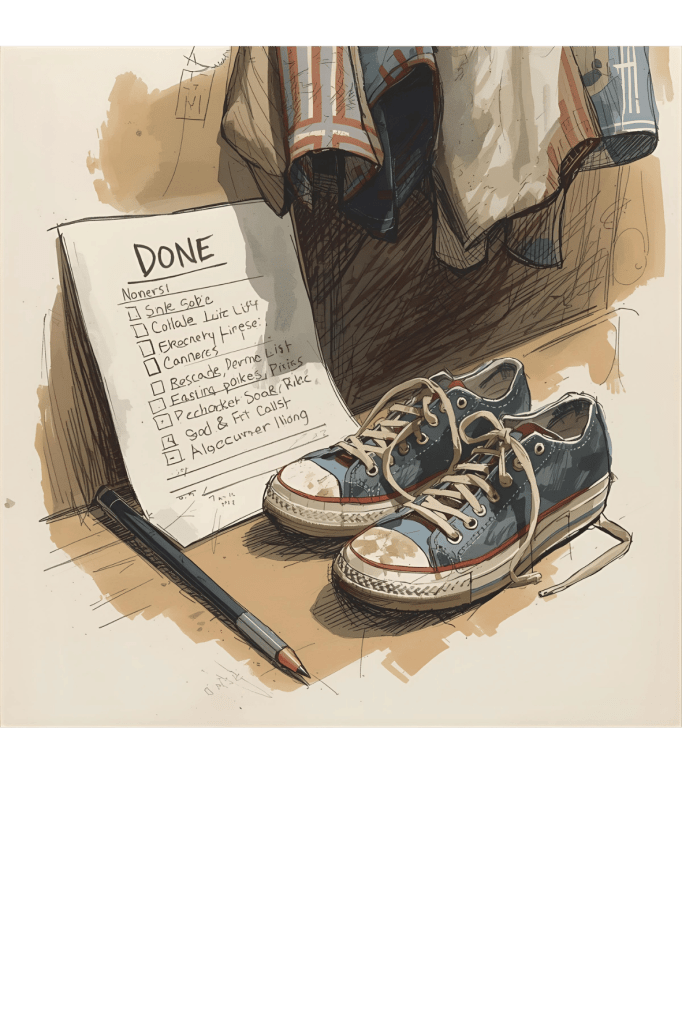
4. Make a “Done List”

To-do lists can be overwhelming, especially when they never seem to shrink. A “done list” flips the script—you jot down everything you’ve already managed, even the small stuff. It shifts your focus from “never enough” to “look what I actually did.” And honestly? That’s the energy boost most of us need. I don’t do this enough, often I’m like, what did I even do all day? show yourself all the hard work you put into your day.


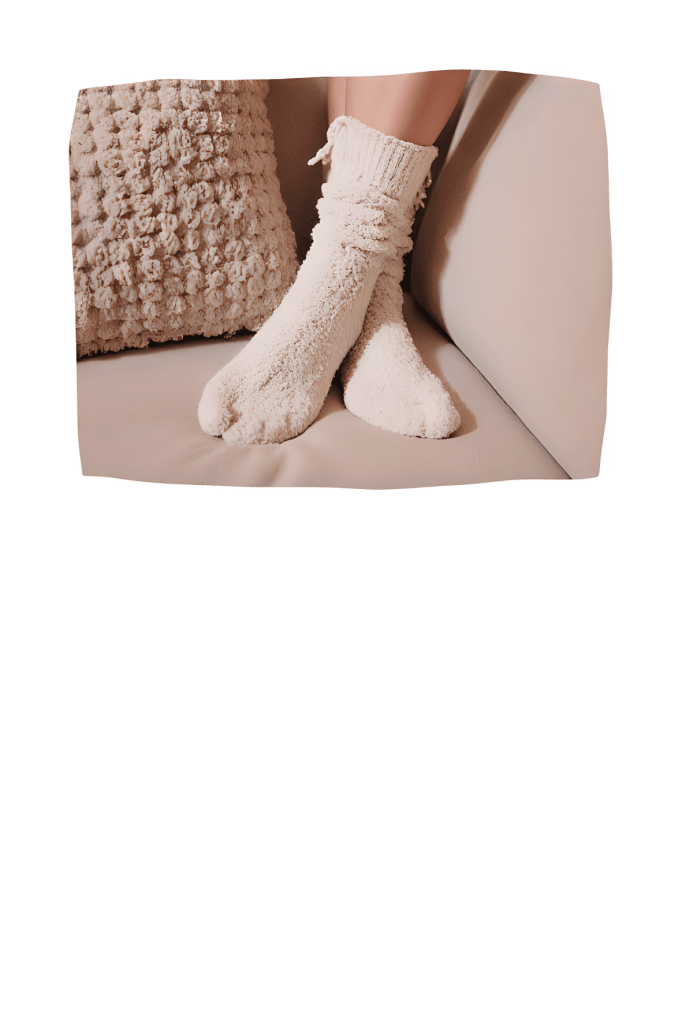
5. Change Your Socks

It sounds silly, but fresh socks are an underrated reset button. They’re small, clean, and cozy, and they send your body the message that something has shifted. On a day when everything feels stagnant, that tiny reset can make you feel just a little more human. Mind the seam placement, that was always a concern with my oldest, she’d refuse to go if she felt the seam in the wrong place.


Closing

Will these tips solve all of life’s chaos? Absolutely not. But they’re proof that you don’t always need massive changes to feel a little better. Sometimes the easiest way forward is simply stacking up these micro-comforts until the day feels lighter. Til next time gang, take car of yourselves, and each other.

Uncategorized

7 Unexpected Ways to Make Life a Little Easier When You’re Overwhelmed

Life is messy, exhausting, and sometimes downright unfair—but there are clever little hacks that can help you catch your breath, keep your sanity, and even sneak in some joy. None of these tips will magically erase your stress (I wish), but they will make the load lighter.


1. Automate the Little Things

Decision fatigue is real—our brains get worn down by endless small choices. Automating the basics can free up precious energy.

  • Schedule grocery delivery or subscriptions for your must-haves.
  • Set bills to auto-pay.
  • Use reminders for meds, appointments, or chores.

It may feel tiny, but the mental relief adds up.


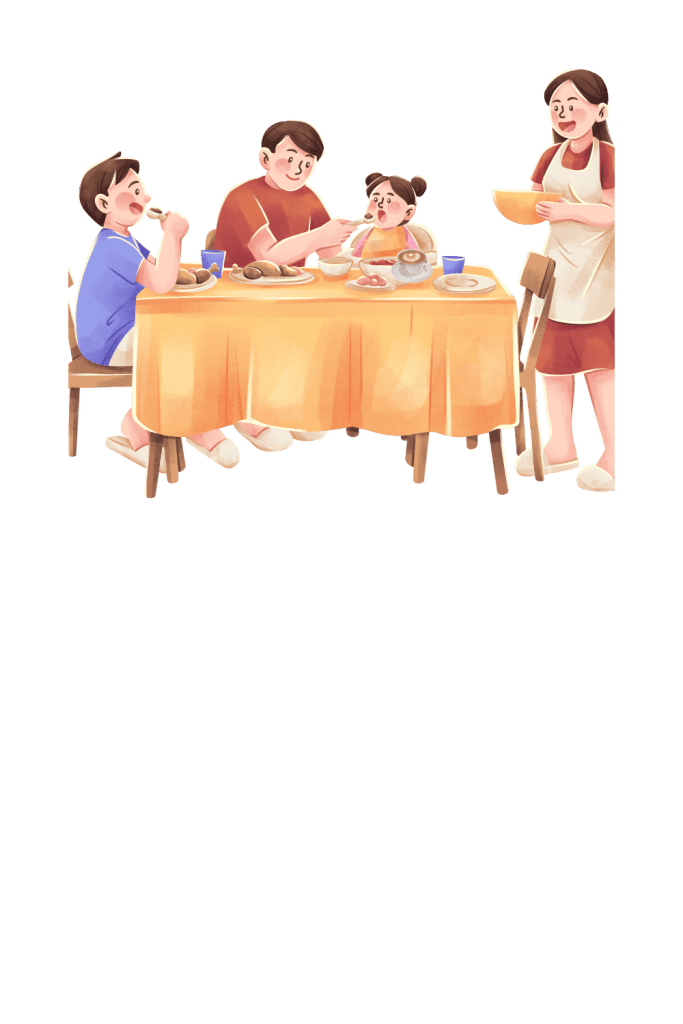
2. Reserve-Based Meal Planning

Instead of starting from scratch every day, build meals off “reserves” you’ve already cooked. Think big-batch taco meat, roast chicken, or skillet sausage that can be reimagined into multiple meals. Less chopping, less cooking, more living. I do this biweekly and feature a menu plan and shopping list every other Sunday, but its not rocket science so if you don’t stick 100% to it no big deal, I just keep the featured ingredients on hand and offer a multitude of uses for it. As stated above, decision fatigue is real and its so helpful to have that choice already made.


3. Build a “Bad Day Box”

Keep a stash of small comforts for the days when everything feels impossible. Fill it with:

  • A favorite snack or tea
  • Cozy socks or a heating pad
  • A playlist that makes you laugh or sing along

It doesn’t solve the hard stuff, but it gives you a lifeline when you’re sinking. If you want one already made I might know someone….


4. Quick Mental Resets

A five-minute pause can do more than you think. Whether it’s a short guided meditation, deep breathing, or blasting your favorite song, those tiny resets can shift your brain out of panic mode and back toward calm. Make it something easy that you have access to, it can be comedy or a podcast that makes you laugh, anything that shifts the focus of your thoughts is the idea.


5. Make Your Space Work for You

Clutter equals stress. Even little changes—like keeping meds, remotes, or supplies in a caddy by your chair—cut down on the low-grade chaos. Lighting, airflow, and comfort matter more than we admit.


6. Outsource Where You Can

If you can swing it, pay for help. Order takeout, hire a cleaner, or swap chores with a friend. Energy is a resource, and saving yours is not laziness—it’s smart strategy.


7. Celebrate Tiny Wins

You got out of bed? That counts. Finished a task? Write it down and cross it off just for the satisfaction. Momentum grows when you notice the little victories instead of waiting for the big ones.


Life isn’t perfect, and neither are we—but small hacks like these add up. They create breathing room, lighten the load, and make survival a little more manageable. Try one or two this week. You deserve the ease. Til next time gang, take care of yourselves, and each other!

Uncategorized

Body Function Bingo

A totally real medical game where everyone’s a winner and no one feels good.

🎯 1. The Surprise Soundtrack

Symptom: Your joints crack like bubble wrap every time you move.
Fun fact: The average human knee wasn’t designed to sound like a haunted rocking chair — yet here we are.
Personal take: I’m TERRIFIED of moving like swaying because I’ve been warned repeatedly if my hip pops out I wont enjoy it. I keep remembering how EASY my hip used to pop out, I gotta be mindful of yet another ailment; *Dramatic fall upon our ‘fainting couch’ only to pop right back up*


🧠 2. Brain Fog Blackout

Symptom: You walk into a room and instantly forget why.
Science says: Fibro and ADHD can both affect working memory. That means your brain’s “clipboard” is full of glitter and expired coupons.
Pro tip: Keep a notebook, or just live in the room you walked into. It’s yours now. Your life exists there.


🔥 3. Is It a Hot Flash or Anxiety?

Symptom: Sudden wave of heat. Chest tight. Soul leaving body?
Reality: Could be hormones, could be panic, could be both. Whee!
Personal take: Am I the only one who walks around with sweats on *mostly* but when a hot flash hits, I’m in a tank and shorts, that I also set out to wear today because I did this so often that now I pick out a 4 piece outfit every day? Its like my anemia and my hormones have a time share in the place that controls my temp.


🎭 4. Mood Swing Square Dance

Symptom: Feeling fine → rage → tears → existential dread → cookie?
FYI: Bipolar mood shifts are no joke. Hormones and chronic pain don’t help.
Fun twist: Sometimes the mood changes faster than your outfit.


🧃 5. “Ow” Before It Happens

Symptom: You say “ow” before doing the thing.
Science says: Anticipatory pain is real in chronic illness brains. It’s like your nervous system’s version of spoilers.
Bonus round: Saying “ow” also applies to thoughts and feelings now.


🧬 6. Random Pain That Leaves as Mysteriously as It Came

Symptom: Stabbed in the ribs by an invisible elf. Gone five seconds later.
No explanation. No follow-up. No peace.
Personal take: (That sharp twinge in your back today? Yep.) I’m honestly not sure about back pain there are far too many terrible things it could be (thanks Dr Google) but its me so of COURSE we escalate to the worst case scenario, but its just as likely these days to be muscle strain. It was stabby and dull and seemed to move while radiating from the same region. Magic.


📺 7. Micro-Naps & Blinking Time Warps

Symptom: You swear it was just 2:30pm. Now it’s 4:17 and you’re holding a half-eaten piece of toast.
What’s happening: Could be fatigue, could be disassociation, could be alien abduction.
Helpful? No. Hilarious? Sometimes.


How many squares did you hit today? Bingo or just big ‘nope’? Either way — you’re still here, and that’s a win. Til next time gang, take care of yourselves, and each other.

Uncategorized

The Real Truth About Living With Multiple Medical Conditions (From Someone Who Gets It)

You’d think having one chronic health condition would be enough to earn you a loyalty card for the doctor’s office (every tenth copay is free?), but apparently, nature loves a “Buy One, Get One” deal just as much as supermarkets do.

In fact, as of 2023, over half (51.4%) of American adults are dealing with at least two chronic conditions simultaneously. Not to brag, but some of us are collecting diagnoses like they’re Pokemon cards. (Its me, I’m some of us.)

1. Your Pill Organizer Qualifies as a Carry-On

You know you’re living with multiple medical conditions when your pill organizer is bigger than your snack box… and requires its own spreadsheet for refills. You could host a bingo night called “Guess Which Pill is for What?” (Winner gets a nap.)

2. Doctor’s Appointments: The New Social Calendar

If social status were measured by how many specialists you know by their first name, you’d be downright popular. Dermatologist on Tuesday? Endocrinologist on Wednesday? Neurologist at the end of the month? You’ve got a calendar busier than a pop star’s tour schedule.

3. Symptoms: Pick ‘n’ Mix Edition

Fatigue, brain fog, joint pain, strange rashes—sometimes it’s hard to know whether a new symptom is a plot twist from an old diagnosis or just a friendly sequel from a new one. You ask your doctor, “Is this Normal™?” and they say, “Well, for you, maybe!”

4. Health Is a Team Sport Now

Turns out, it takes a village… to manage your prescriptions, go over lab results, and remind you again which foods will actually disagree with Condition #3 (but not #2).

5.You’re Not Alone in This Wild Ride

Here’s the kicker: 76.4% of US adults had at least one chronic condition in 2023—and over one in four young adults aged 18–34 now have two or more. If you sometimes feel like a medical outlier, you’re actually part of the majority (how’s that for a plot twist?).

6. Bonus Round: Confusing Your Fitbit

You tell your fitness tracker you have “bad days” and “good days.” Fitbit just quietly registers your nap as a “restorative yoga” session. (Thanks, buddy, I needed that win.)

Quick Facts to Drop at Parties for Street Cred:

Multiple chronic conditions (aka “multimorbidity”) are on the rise, especially among young adults—up from 21.8% to 27.1% in a decade. Most common tag team combos include high cholesterol, arthritis, hypertension, depression, and—everybody’s favorite—obesity.

Living with multiple medical conditions isn’t for the faint of heart…except, actually, sometimes it literally is when your next diagnosis is “mild tachycardia.” But you do it with humor, strength, and the world’s most impressive pill stash. And that, fellow warriors, is the real truth.

Author’s tip: If in doubt, just tell people you’re “collecting chronic conditions” like rare action figures. Laughter might not be the best medicine, but it’s definitely covered by emotional insurance.

Factual data for your reading pleasure: The CDC and other reputable sources confirm everything above, except maybe the part about winning a nap at diagnosis bingo. Til next time gang, take care of yourselves, and each other!

Uncategorized

Weather or Not, Fibro Hurts: Barometric Whiplash and Summer Survival Tips

Fibro Doesn’t Care About the Season

You’d think pain would be more predictable. Cold = bad, right? Well yes… and no. Because in summer, when the air pressure plays trampoline, humidity tries to choke you out, and thunderstorms sneak up like mood-swing ninjas, your fibromyalgia goes, “Yay! A chance to be more dramatic!”

Your body doesn’t just hurt — it panics, it protests, and it often completely forgets how to function like a semi-sentient adult human.

Why Weather Screws Us Up (Even in Summer)

  1. Barometric Pressure is a Jerk.
    When pressure drops fast (hello, pre-storm), tissues expand. Nerves already oversensitive in fibro-land get even more irritable. It’s like your whole body got a weather alert and decided to throw a tantrum. The research is mixed—effects vary, and for some folks may be subtle. But that doesn’t make your flare-up any less real.
  2. Humidity and Heat Mess with Everything.
    • Heat dilates blood vessels → more fatigue, dizziness, swelling.
    • Humidity slows evaporation of sweat → overheating faster.
    • Add in pain? You’re basically a melted candle with opinions.
  3. Storms Make the Air Feel Heavy.
    Your head hurts, your joints ache, and standing up feels like moving through soup. The pressure swings during storms are sneaky saboteurs.
  4. Your Nervous System is Already Confused.
    Fibromyalgia is a central sensitization disorder. Your brain and nerves are like over-caffeinated chihuahuas — already jumpy, now add atmospheric chaos? It’s not great, Bob.

What Can You Actually Do About It?

💧1. Hydrate Like It’s Your Job.

Barometric shifts and heat can mess with circulation and fluid retention. Water helps regulate your internal temp and reduces dizziness and fatigue.

❄️2. Cooling Tools Are Your Friends.

  • Cooling towels
  • Ice packs on pulse points
  • Fans in every room
  • Spray bottle with peppermint water (YES, seriously)

🧘‍♀️3. Stretch and Move, Gently.

Movement keeps things from stiffening up worse, but go slow. A few light yoga poses, shoulder rolls, or just pacing your hallway counts. You’re not prepping for the Olympics — you’re surviving a weather system.

🛋️4. Pace Like a Pro.

Your energy is a budget. Don’t overspend it just because the sun’s out. Schedule breaks. Cancel plans. Use that “no” like SPF for your soul.

🌀5. Watch the Weather. Plan Ahead.

There are apps just for barometric pressure (like Migraine Buddy or WeatherX). When you see a dip coming, prep your nest: meds ready, chores done ahead, comfy clothes out.

You Are Not Broken — You Are Barometrically Betrayed

So no, it’s not “just in your head.” The weather does affect your fibro. You are not imagining it. And just because you don’t see storm clouds doesn’t mean your body isn’t screaming “WE’RE UNDER ATTACK!”

But you’re learning, adjusting, and finding ways to soften the crash. That’s strength — not weakness. Til next time guys, take care of yourselves, and each other.

Uncategorized

The ADHD Energy Crash: Why It Happens and How to Navigate It

If you live with ADHD, you’re likely familiar with the phenomenon of feeling mentally and physically drained by mid-afternoon. This isn’t just about being tired; it’s a distinct experience tied to the unique ways ADHD affects energy regulation.

🔍 Understanding the ADHD Energy Crash

ADHD is characterized by challenges in executive functioning, which means tasks that require planning, focus, and organization demand more cognitive effort. This heightened effort can lead to quicker depletion of mental energy. Additionally, individuals with ADHD often struggle with interoception—the ability to recognize internal bodily cues—making it harder to notice signs of fatigue until they’re overwhelming.

✅ Practical Strategies to Combat the Crash

Here are several evidence-based strategies to help manage and mitigate the afternoon energy slump:

  1. Incorporate Regular Physical Activity: Engaging in physical exercise can boost energy levels and improve focus. Even short walks or light stretching during breaks can make a significant difference. If you have a fitbit, the get up once an hour and do 250 steps setting, turn it on and stick to it.
  2. Prioritize a Protein-Rich Breakfast: Starting your day with a meal high in protein can stabilize blood sugar levels and provide sustained energy, reducing the likelihood of an early crash. Breakfast isnt a great meal on the go but if nothing else have a protein shake.
  3. Utilize Power Naps Wisely: Short naps, ideally between 10–20 minutes, taken in the early afternoon, can rejuvenate your mind without affecting nighttime sleep. This is a rule of thumb but not one I follow. I found my best nap is between 30 minutes to an hour, it gives me the perfect alertness when I get up. Experiment on your own and listen to your body.
  4. Practice Energy Pacing: Monitor your energy levels throughout the day and plan tasks accordingly. Scheduling demanding activities during peak energy times and allowing for rest during low-energy periods can enhance productivity. I tell people after dinner don’t ask me shit because once the last dish is done I am off the clock lol
  5. Engage in Body Doubling: Working alongside someone else, either in person or virtually, can increase accountability and focus, making tasks feel less daunting. This is seriously magic I don’t get why it works but it does.
  6. Stay Hydrated and Eat Balanced Meals: Dehydration and poor nutrition can exacerbate fatigue. Ensure you’re drinking enough water and consuming meals that balance carbohydrates, proteins, and healthy fats. Water water water. I hate it but it affects more than you’d think.
  7. Maintain Consistent Sleep Patterns: Establishing a regular sleep schedule helps regulate your body’s internal clock, leading to improved energy levels during the day. I’m up at 3. It was upsetting as I tried to change and mold it to conform with the usual hours, when I accepted that my body wanted to set its own schedule and started planning my days around that I was a great deal happier.
  8. Limit Caffeine Intake: While caffeine can provide a temporary boost, excessive consumption may lead to energy crashes later in the day. Moderation is key. HAHAHA! I can hear everyone who knows me heads whipping around. I’m a coca-cola girl, and maybe you arent overly sensitive to caffeine but thats where I’d make adjustments first.
  9. Create a Stimulating Work Environment: Incorporate elements that keep you engaged, such as background music or varying your workspace, to maintain interest and energy. They sell fidget mats that have all these things but your better off getting a fidget spinner, those are portable.
  10. Seek Professional Support: If energy crashes are significantly impacting your daily life, consider consulting a healthcare professional for personalized strategies and potential treatment options. Theres no shame in asking for help.

By understanding the underlying factors contributing to the ADHD energy crash and implementing these strategies, you can better manage your energy levels and maintain productivity throughout the day. Remember, it’s about finding what works best for you and being compassionate with yourself in the process. Til next time gang, take care of yourselves and each other.

Uncategorized

5 Weirdly Effective Ways to Feel Better Fast (Backed by Science, Not Just TikTok)

Ever feel like your brain’s stuck in dial-up mode while the rest of the world’s running on fiber optic? Been there, ordered the T-shirt, wore it for three days straight. When you’re fried, frazzled, or just feeling emotionally soggy, you don’t always have the bandwidth for a full mental health makeover. The good news? Science has your back—and it doesn’t require a prescription or a bank loan. Here are five surprisingly effective, science-backed ways to feel better fast—without leaving your couch (probably).


1. Deep Breathing: A Free Spa Day for Your Nervous System

Let’s be real: when someone tells you to “just breathe,” it’s usually right before you snap like a glow stick. But hear me out—breathwork is basically a nervous system cheat code.

🔬 Science says: Deep, controlled breathing activates your parasympathetic nervous system (aka the “rest and digest” mode), reducing cortisol and lowering heart rate. One study in Frontiers in Psychology (Zaccaro et al., 2018) found that slow breathing significantly improves mood and lowers anxiety.

🌀 Try this: Inhale for 4 counts, hold for 4, exhale for 4 (aka box breathing). Bonus points if you close your eyes and pretend you’re somewhere tropical and not just hiding from your responsibilities.

I don’t like to recommend anything I don’t do, so rest assured I do this, though I switch up the rhythms, and I would recommend you do the same because so long as you’re breathing, it works doesnt matter how pretty it is.


2. Laughter Therapy: Better Than an Espresso Shot

Who knew memes could double as mental health tools? Turns out, watching something funny isn’t just procrastination—it’s therapy with a punchline.

🔬 Science says: Laughter triggers the release of endorphins and lowers stress hormones. A study in The Journal of Neuroscience (Dunbar et al., 2012) shows that laughter increases pain tolerance and boosts social bonding.

📺 Try this: Watch a short stand-up set, blooper reel, or the 7,000th rerun of your favorite sitcom. Whatever tickles your funny bone.

👉 Real-life moment: You know what I’ve heard? I laugh too much. I’m too loud. I shouldn’t make everything a joke. You know what? I’m beyond caring. You know that whole near death thing? It showed me life was FAR TOO SHORT to waste time on the vast amount of unpleasantness one generally has to put up with. If you can’t laugh did you even enjoy it? I listen to last nights late night monologues or stand up while I’m doing my duolingo in the mornings (take care of your brain folks, no joke, you’ll miss it when it starts to go LMAO) and on mornings that I can’t I find the rest of the day I can be kind of an asshole. I mean, I’m always sorry, but I’m going to be honest with you guys about it LOL


3. Gardening or Nature Exposure: Green = Good Vibes

No yard? No problem. Even a houseplant counts as emotional support foliage. Nature doesn’t judge your outfit or ask how many hours of sleep you got.

🔬 Science says: Time in nature reduces stress and improves mood. The Japanese practice of shinrin-yoku (forest bathing) has been studied extensively; one study in Environmental Health and Preventive Medicine (Park et al., 2010) showed it significantly lowers cortisol.

🌱 Try this: Step outside and touch a tree (yes, really), water your plants, or sit near a window. Even watching nature videos has calming effects.

I am plant killer number one around here. I wouldnt be surprised if my mug shot is hanging in the break room for plants like shoplifters mugshots are at Walmart LOL. That being said, the WORST thing the hip replacement has stolen is my weekly or biweekly mowing the yard. I love it, we have an electric mower so I get a good one hour out of it, bopping alone to some music, its just mindless outdoor sun time. Then stick it on the charger and hit it the next day. I have a hard time sitting in the sun even when I know its good for me and outside I wouldnt last long before getting bored.


4. Listening to Classical Music: Your Brain’s Chill Pill

Before you roll your eyes, no, it doesn’t have to be Mozart. But slower, instrumental music can work some serious emotional sorcery.

🔬 Science says: A study in PLOS ONE (Thoma et al., 2013) found that listening to classical music after a stressor reduced cortisol levels more effectively than silence or other genres.

🎵 Try this: Play something instrumental (piano, strings, lo-fi beats) for 5-10 minutes. Even better? Lie down and do nothing while it plays. Yes, doing nothing is productive sometimes.

I love all music. Classical is not a fave but I will put on some really low volume piano pieces when I need it. Generally its just pop from the 80s though. But try Chopin first lol who knows, it could be your new favorite.


5. Social Connection: Text That One Person (Yes, Them)

When you’re down, your brain might tell you to retreat like a wounded raccoon. But reaching out—even just a little—can flip the script fast.

🔬 Science says: Human connection boosts oxytocin, lowers anxiety, and increases resilience. A study from American Journal of Psychiatry (Ozbay et al., 2007) highlights social support as one of the most powerful buffers against stress.

📱 Try this: Send a funny meme to a friend, voice note someone who “gets it,” or even comment on someone’s post meaningfully.

👉 Its so hard guys. The phone is like there…. And like, sometimes, sometimes it even *gulping loudly*…. RINGS!!! TERRIFYING! I know guys, see, I get it, but how about a text? A text connects you like a ‘sup’ nod between bros, but without the whole sense of the ‘sup’ reply. I bake that shit right into my texts too, I say ‘hey, let me know how you are when you get a minute’. No rush. I’m chill man. Or even ‘just sayin hey and wanted you to know I’m thinking of you’ totally not giving them ANY obligation, because like why would I bum anyone I love out like that?


Closing: Feeling better doesn’t always need to be a full-blown self-care summit. Sometimes, it’s in the little things: a breath, a laugh, a leaf, a lyric, a message. Try one. Try them all. You deserve moments of ease—even when life’s handing out chaos like Halloween candy. Til next time gang. Take care of yourselves, and each other!